Erectile Dysfunction/sbkinews.in
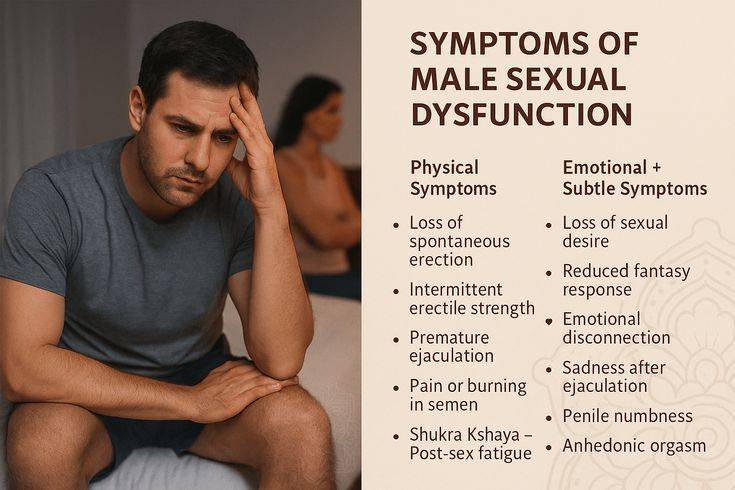
Erectile Dysfunction (ED) has increasingly become a significant health concern, not only among older men but alarmingly among younger men as well. Recent research and clinical observations highlight the intertwining roles of mental health, pornography consumption, and lifestyle factors in driving this rise. Understanding these contributing factors is essential for addressing this growing public health issue.
The Growing Prevalence of Erectile Dysfunction
Erectile Dysfunction, defined as the inability to attain or maintain an erection sufficient for satisfactory sexual performance, affects millions worldwide. Traditionally linked with aging and physical health issues like cardiovascular disease, diabetes, or hormonal imbalances, a paradigm shift has been observed. A notable surge in ED cases among men under 40 has prompted researchers to explore additional underlying causes beyond the classical medical risk factors.
Mental Health: Anxiety, Depression, and Performance Pressure
Psychological factors have always played a role in sexual function but have gained renewed focus in recent years. Anxiety, depression, and heightened performance pressure are potent contributors to ED. Studies outline how stress hormones impede normal blood flow and erectile response. Furthermore, societal pressures and the rising use of social media have intensified men’s expectations and insecurities regarding sexual performance, exacerbating psychogenic ED.
Pornography’s Complex Role in Erectile Dysfunction
The explosive availability and consumption of internet pornography are often cited in discussions about increased ED among younger men. While the relationship is complex and not universally accepted, compelling evidence suggests some forms of pornography consumption can negatively affect sexual functioning.
Research reveals that excessive pornography use may desensitize the brain’s reward pathways, requiring increasing novelty or intensity to achieve the same arousal levels. This can diminish responsiveness to a real-life partner, leading to what is sometimes called Porn-Induced Erectile Dysfunction (PIED). Men experiencing PIED often report difficulty getting aroused or maintaining erections during partnered sex, despite normal physiological function.
Neurological studies point to alterations in dopamine response and motivational systems linked with heavy pornography consumption. The format of internet pornography — limitless choices, rapid novelty, and often extreme content — contrasts with the stable stimulus of real-life sexual encounters, conditioning arousal patterns away from partners.
However, some studies argue that moderate pornography use alone is not a direct cause of ED. Psychological factors, including feelings of guilt, shame, or conflicting personal beliefs about pornography, also significantly impact sexual performance.
Lifestyle Factors: Sedentary Habits, Diet and Substance Use
Lifestyle changes have further influenced the rise in ED. Sedentary lifestyles, poor diet, smoking, and alcohol consumption impair the cardiovascular system, crucial for erectile function. Given that erections rely on proper vascular function to enable blood inflow, lifestyle-induced vascular damage directly increases ED risk.
Obesity and metabolic syndrome, two conditions on the rise globally, similarly impair hormone levels, including testosterone, which plays a vital role in sexual desire and performance.
Regular exercise, weight management, and quitting smoking have shown effectiveness in reversing or reducing ED symptoms, highlighting lifestyle as a modifiable risk factor.
Addressing the Multifactorial Nature of Erectile Dysfunction
Since ED arises from a combination of psychological, physiological, and lifestyle causes, treatment calls for a multidisciplinary approach. Evaluating mental health status, reducing or moderating pornography consumption, and adopting healthier lifestyle choices are pivotal.
Psychological interventions such as cognitive-behavioral therapy (CBT) can alleviate performance anxiety and depressive symptoms contributing to ED. Simultaneously, sex therapy and education help men recalibrate sexual expectations and intimacy skills.
Medical treatments, including phosphodiesterase inhibitors like sildenafil, remain mainstays but are often more effective when paired with lifestyle and psychological interventions
The Road Ahead: Awareness and Research
As erectile dysfunction affects quality of life, relationships, and psychological well-being, public health campaigns must broaden awareness beyond traditional risk factors. Normalizing conversations around mental health, pornography use, and healthy lifestyles can encourage affected men to seek help without stigma.
Research continues into the nuances of how pornography impacts sexual health, differentiating causation from correlation. More longitudinal, controlled trials are needed to dissect the complex neurobehavioral mechanisms at play.
Conclusion
Rising erectile dysfunction among men, especially younger demographics, reflects the complex interplay of mental health challenges, pornography consumption, and evolving lifestyle patterns. Recognition of these factors allows for holistic treatment approaches, promoting sexual health and overall well-being.
Men experiencing ED should consult healthcare professionals for comprehensive assessment and personalized treatment, encompassing psychological support, lifestyle modification, and medical options./sbkinews
Source : link