Rangoli is one of the oldest and most enchanting art forms in Indian tradition, symbolizing joy, prosperity, and positive energy. This Diwali and festive season, the magic of simple Rangoli designs can transform your home entrance into a masterpiece of color and positivity. Whether you are a beginner or a seasoned artist, learning how to craft elegant yet easy Rangoli patterns can make your home glow with cultural vibrance.
The Cultural Significance of Rangoli
In Indian households, Rangoli is not merely decoration—it is a symbol of welcome. The patterns, often drawn using rice flour, flower petals, or colored sand, are believed to attract good fortune and ward off negativity. The vibrant designs reflect India’s diverse heritage, with each region showcasing unique styles—from Maharashtra’s geometric forms to Tamil Nadu’s kolam and Gujarat’s aipan.
The tradition continues to evolve, with modern designs blending artistry and simplicity, enabling anyone to participate in this joyful practice.
#Simple Rangoli designs#EasyRangoliideas#Diwalihomedecoration#Rangoliforbeginners
Easy Yet Elegant Designs for Beginners
Creating a perfect Rangoli doesn’t require an artist’s hand. A few simple shapes, a steady flow of colors, and basic tools like a sieve or chalk can yield stunning results. Here are seven simple Rangoli design ideas you can try this festive season:
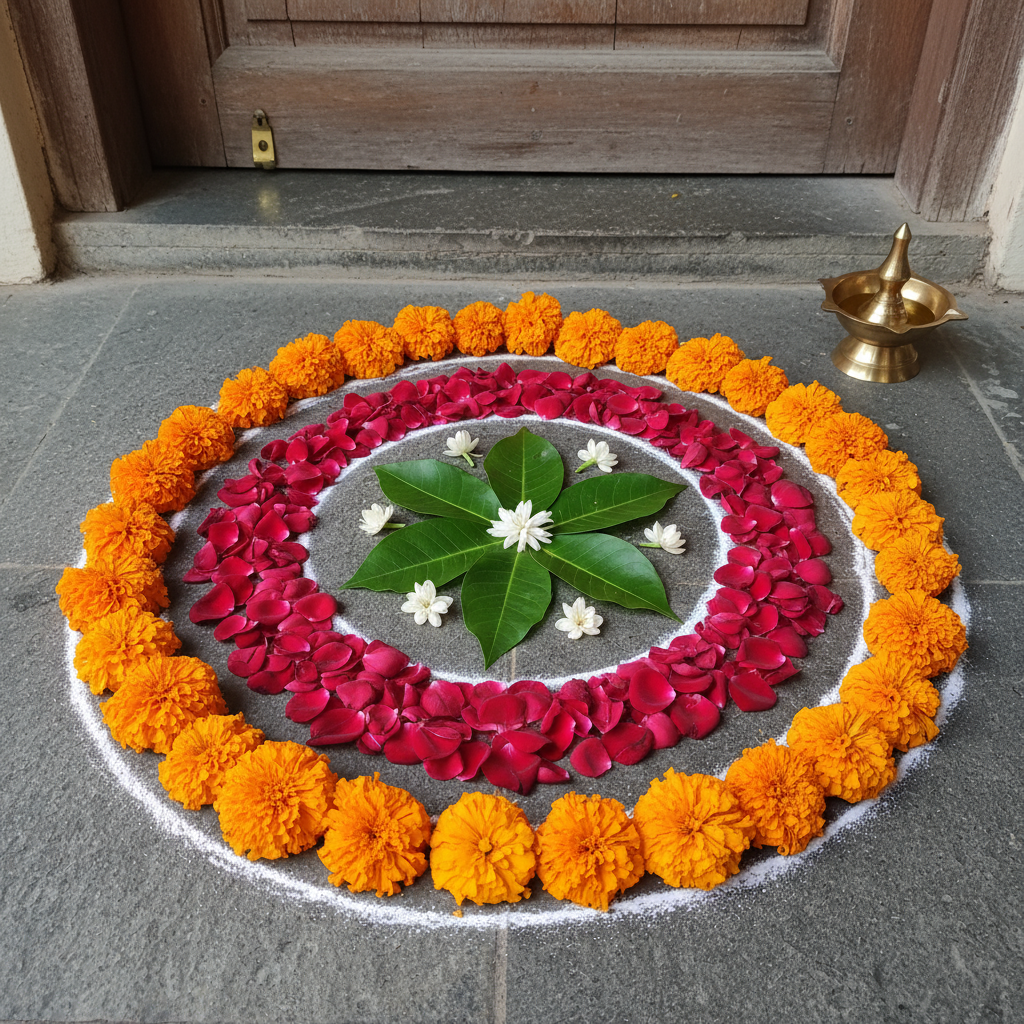
Floral Round Rangoli-

A circular design using marigold flowers, rose petals, and green leaves creates a natural and refreshing pattern at your doorstep.
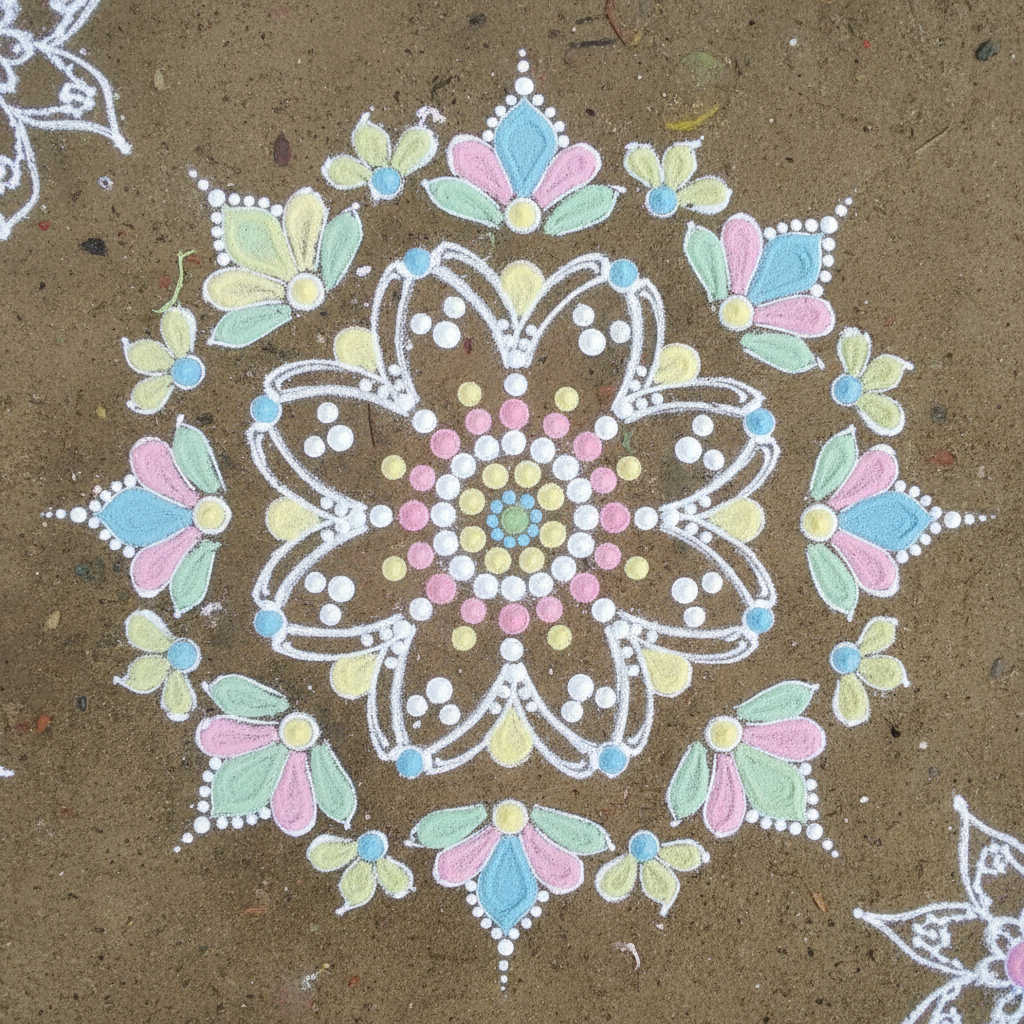
Dot Mandala Rangoli-
Start with small chalk dots to guide you, then connect them in intricate floral or spiral shapes using colored powders.
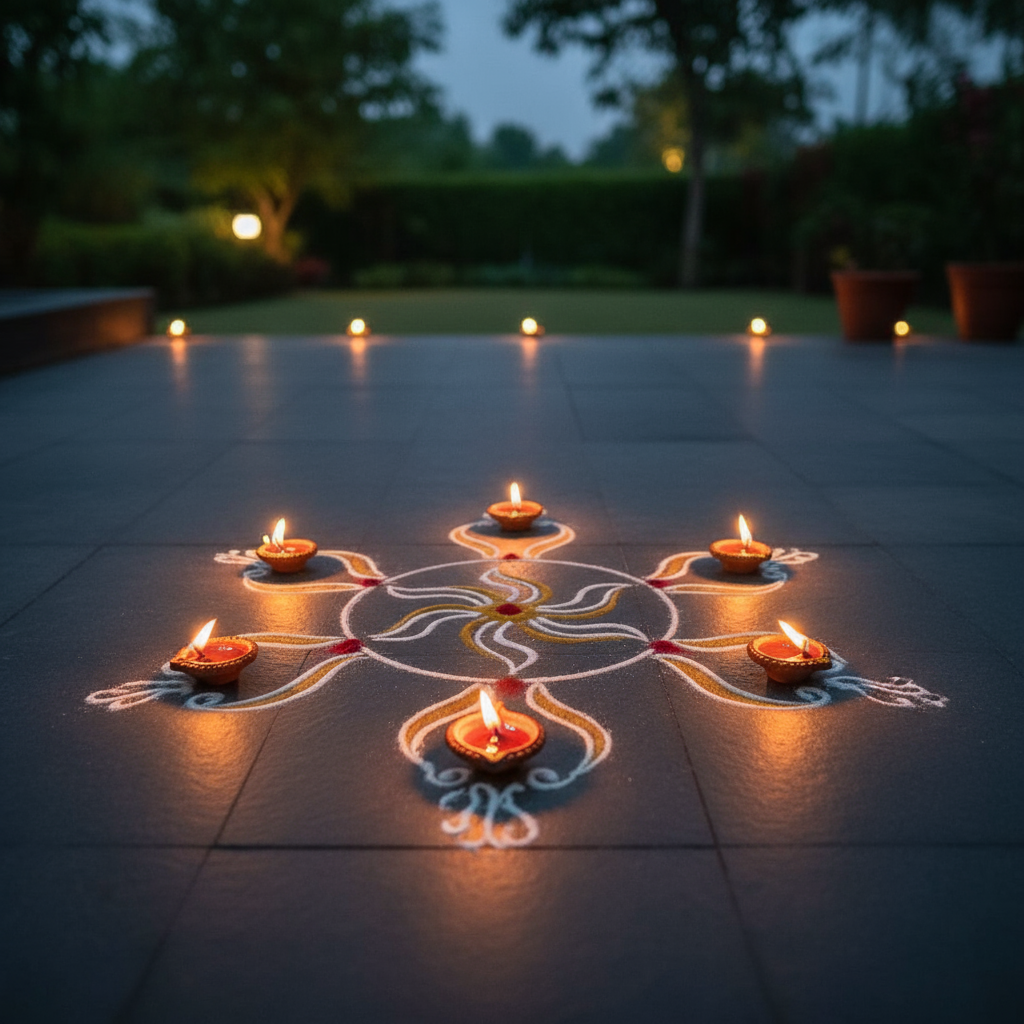
Diya-Inspired Design-
Create symmetrical flame-like shapes surrounding your diyas to enhance your evening décor.
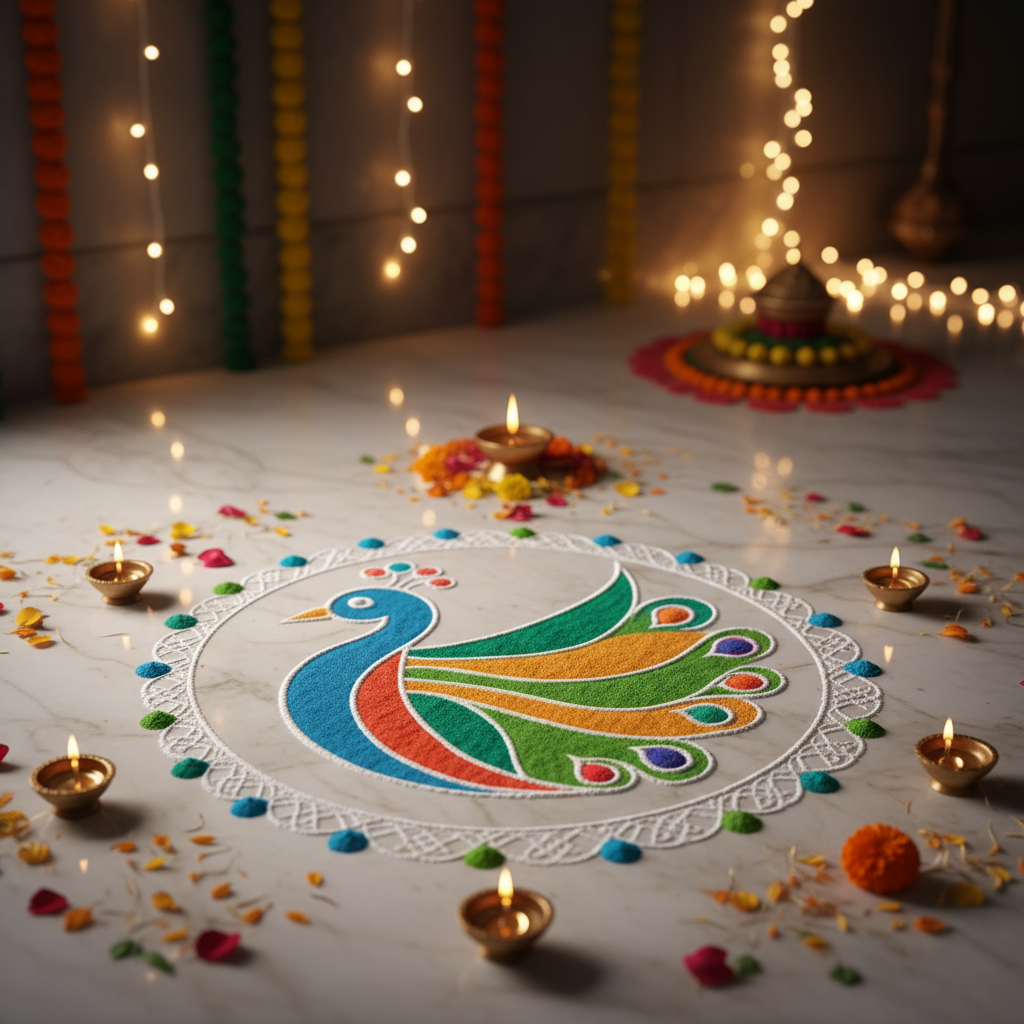
Peacock Theme Rangoli-
A colorful peacock motif combining blue, green, and orange hues adds grandeur to festive celebrations.
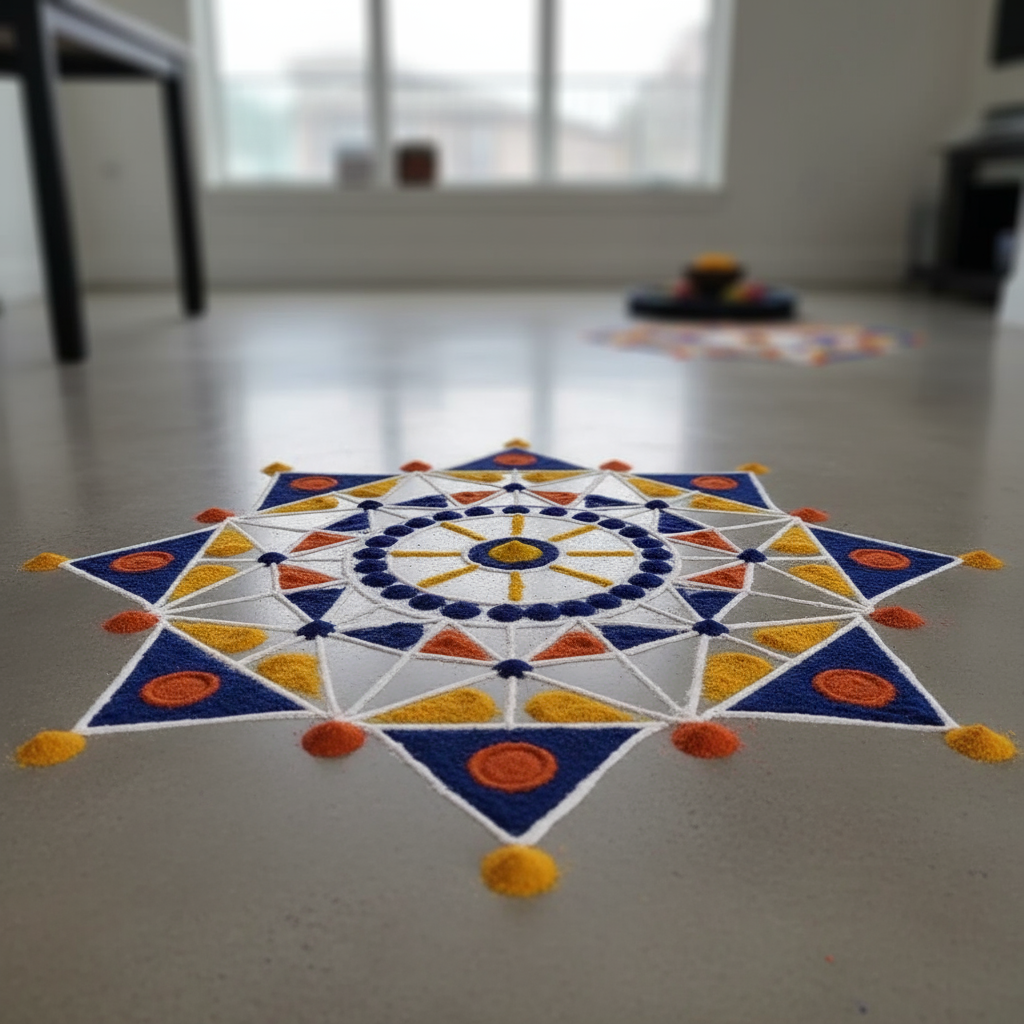
Geometric Simplicity-
Combine triangles, squares, and circles for a modern yet traditional appeal.
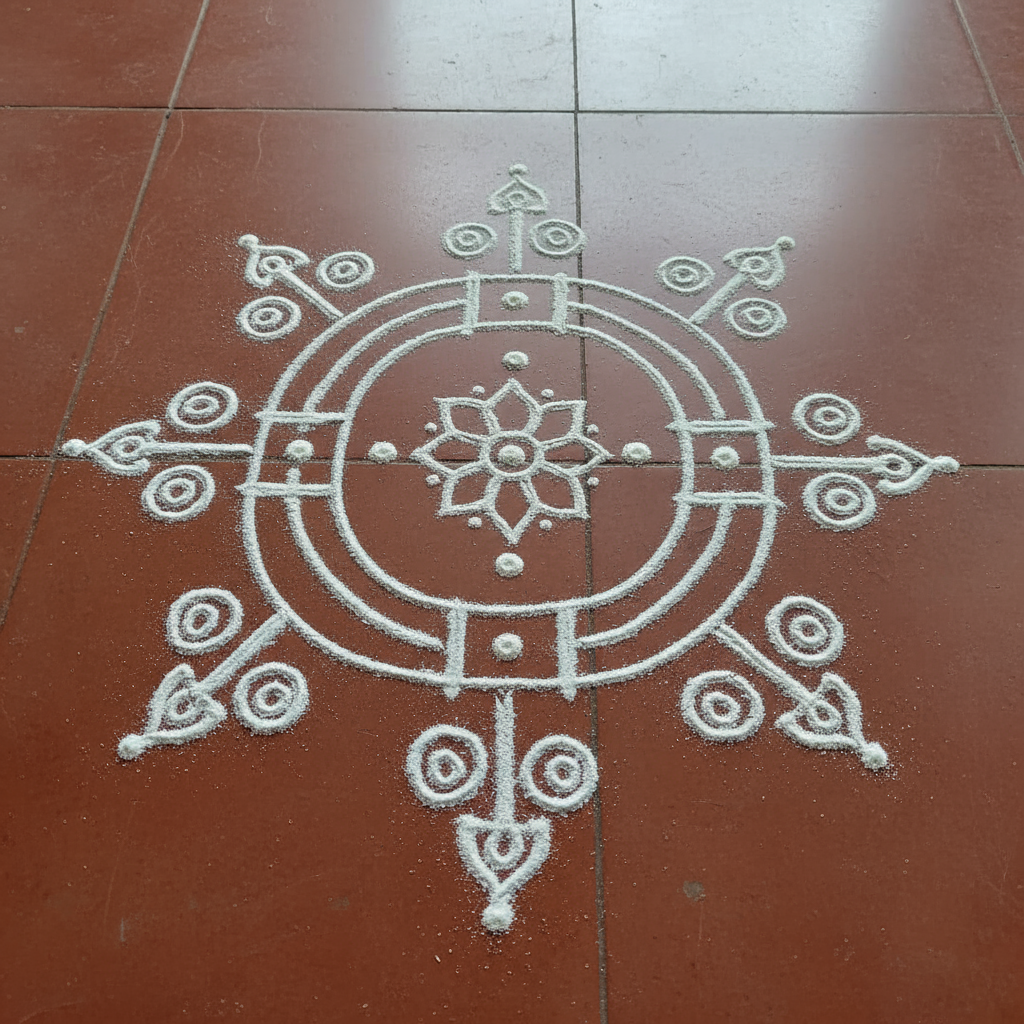
Rice Flour White Kolam-
Minimalist, charming, and eco-friendly, this design uses white rice flour on red tiles for a classic South Indian look.
Floating Flower Rangoli-
For those who prefer less mess, arrange flower petals in bowls of water with floating candles—absolutely mesmerizing at night.
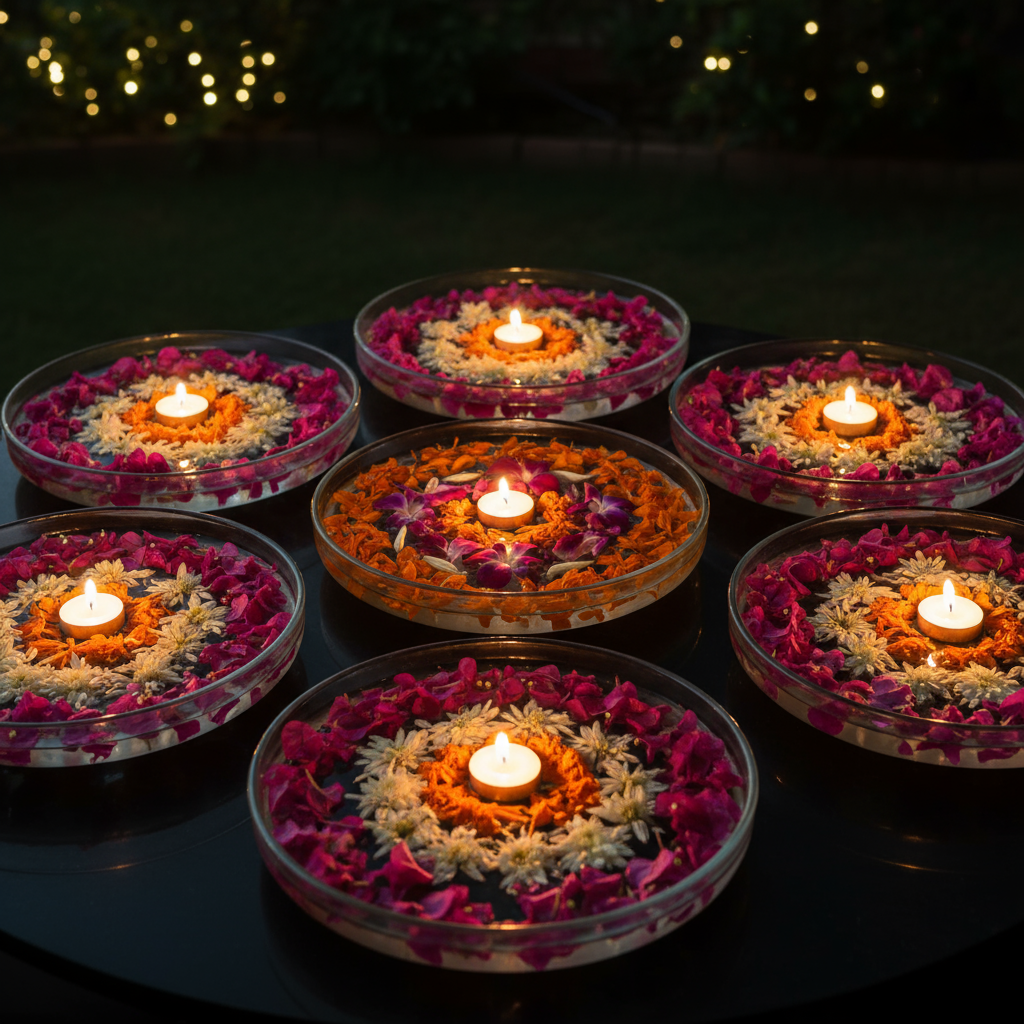 For those who prefer less mess, arrange flower petals in bowls of water with
#Simple Rangoli designs#EasyRangoliideas#Diwalihomedecoration#Rangoliforbeginners
Materials and Tools You’ll Need
To create beautiful Rangoli patterns, gather a few essential supplies:
Colored Rangoli powders or organic alternatives like turmeric, rice flour, and petals
Stencils (for beginners seeking uniform patterns)
Chalk for sketching outlines
Diyas or candles to illuminate the artwork
A sieve or strainer to spread colors evenly
Eco-conscious creators can use natural dyes and biodegradable materials to minimize environmental impact, aligning with sustainable celebration practices.
#Simple Rangoli designs#EasyRangoliideas#Diwalihomedecoration#Rangoliforbeginners
Step-by-Step Rangoli Creation Tips
Start with a clean surface: Sweep and wash your floor before drawing your outline.
Outline the pattern: Use chalk to sketch, ensuring symmetry before filling.
Apply powder carefully: Use pinching motions to release fine streams of color.
Balance your color palette: Match bright shades with subtle tones for harmony.
Add decorative touches: Diyas, mirrors, and beads can accentuate the beauty.
By practicing small designs first, you can master control over color flow and pattern accuracy.
#Simple Rangoli designs#EasyRangoliideas#Diwalihomedecoration#Rangoliforbeginners
Trending Modern Rangoli Styles
Modern home décor trends have redefined how Rangoli complements interiors. Minimalist apartments often feature DIY Rangoli stencils or digital projectors that guide pattern creation. Social media platforms like Instagram and Pinterest popularize hybrid designs combining chalk outlines and 3D effects using grains, lentils, or even LED lights.
Glass Rangoli and Rangoli on tables or glass panels are also becoming trendy, merging art and décor seamlessly. These approaches make traditional art more adaptable for urban living spaces.
#Simple Rangoli designs#EasyRangoliideas#Diwalihomedecoration#Rangoliforbeginners
The Joy of Creativity
Rangoli-making is an expressive, meditative process. As you pour colors onto the floor, each pattern you create conveys joy, creativity, and devotion. For families, it’s a bonding activity—children learning from elders, sharing laughter, and continuing timeless traditions. Even a simple Rangoli design can bring an unmatched warmth that commercial decor simply cannot replicate.
#Simple Rangoli designs#EasyRangoliideas#Diwalihomedecoration#Rangoliforbeginners
Expert Corner: Pro Tips for Long-Lasting Rangoli
Use finely powdered colors to avoid clumping.
Lightly sprinkle water before application to prevent colors from scattering.
Avoid heavy wind areas or indoor drafts.
Mix a few drops of adhesive like gum water to set colors.
Preserve symmetry; uneven designs distract from overall charm.
Why Simple Rangoli Never Goes Out of Style
In today’s fast-paced world, simple yet visually stunning designs resonate most. They save time, require minimal material, and retain cultural depth. Moreover, such designs align with eco-friendly values and can easily adjust to any home decor setup.
A simple Rangoli design reflects mindfulness—less about perfection, more about passion and peace. With each shade and swirl, it symbolizes the beauty of new beginnings and collective joy, reminding us that tradition endures not through grandeur, but through heart.
Follow For More Updates “SBKINEWS”