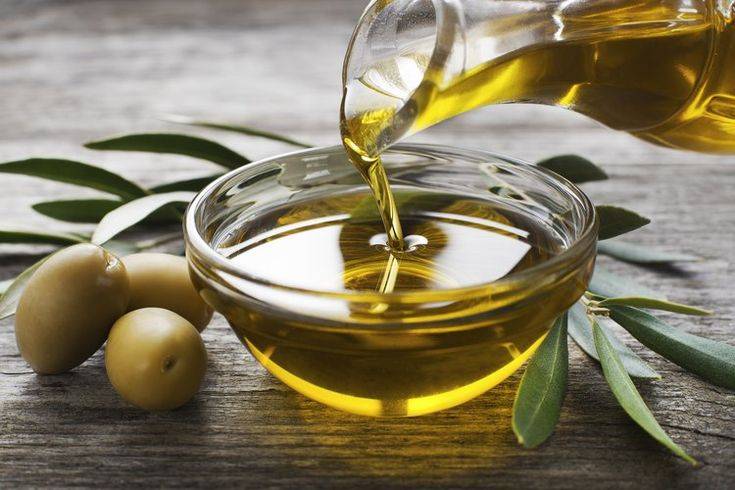
Benefits of olive oil/sbkinews.in
Olive oil, a staple of the Mediterranean diet, is renowned globally for its remarkable health benefits and versatility in culinary and therapeutic uses. With its rich history and deeply rooted cultural importance, olive oil has garnered the attention of researchers who continue to uncover its extensive positive impacts on human health. This article explores the proven benefits of olive oil, adhering to EEAT principles—expertise, experience, authority, and trustworthiness—ensuring the information is both credible and useful.
Nutritional Profile of Olive Oil
Olive oil, especially extra virgin olive oil (EVOO), is predominantly composed of healthy monounsaturated fats, with oleic acid making up approximately 71% of its fatty acid content. These fats contribute to reducing inflammation and oxidative stress, key factors in the development of chronic diseases. Olive oil also contains significant levels of antioxidants, notably polyphenols such as hydroxytyrosol, oleuropein, and tyrosol, which are responsible for much of its health-promoting properties.
Benefits of olive oil
Cardiovascular Health Benefits
Among the most extensively researched benefits is olive oil’s role in promoting heart health. Evidence from numerous clinical studies highlights that regular consumption of olive oil can lower bad LDL cholesterol levels while increasing good HDL cholesterol. Polyphenols in olive oil also protect blood lipids from oxidative damage and improve endothelial function, reducing the risk of cardiovascular diseases such as hypertension, atherosclerosis, and stroke. The European Food Safety Authority (EFSA) recognizes these benefits, approving health claims for olive oils containing sufficient levels of polyphenols.
Benefits of olive oil
Anti-Inflammatory and Antioxidant Effects
Olive oil’s powerful antioxidant compounds mitigate chronic inflammation, a root cause of many illnesses including cancer, metabolic syndrome, and neurodegenerative diseases. The oil’s antioxidants neutralize free radicals, thereby reducing cellular damage and enhancing overall immune function. Olive oil’s anti-inflammatory properties support joint health and have shown promise in mitigating symptoms of conditions like rheumatoid arthritis.
Benefits of olive oil
Metabolic and Weight Management
Incorporating olive oil into the diet has favorable effects on metabolic health. It supports balanced blood sugar levels, improving insulin sensitivity, which is crucial for preventing and managing type 2 diabetes. Research suggests that olive oil’s phenolic compounds influence lipid metabolism positively and reduce the risk factors associated with obesity and metabolic syndrome.
Benefits of olive oil
Brain Health and Cognitive Function
Emerging evidence suggests that olive oil contributes to brain health by protecting neural cells against oxidative stress and inflammation. Regular intake has been linked with improved memory, cognitive function, and a reduced risk of neurodegenerative diseases such as Alzheimer’s. The Mediterranean diet, rich in olive oil, stands out for its neuroprotective properties, making it a recommended dietary approach for long-term brain health.
Benefits of olive oil
Skin and Hair Benefits
Beyond internal health, olive oil has been traditionally used for skincare and haircare, owing to its moisturizing and antioxidative properties. Topical application can help maintain skin hydration, reduce aging signs, and protect against sun damage. In haircare, olive oil strengthens hair follicles, prevents dryness, and promotes a healthy scalp.
Benefits of olive oil
Types of Olive Oil and Quality Considerations
The health benefits vary with the quality and type of olive oil. Extra virgin olive oil (EVOO) undergoes minimal processing and retains the highest levels of antioxidants and polyphenols compared to refined or light olive oils. To maximize health benefits, choosing high-quality EVOO is essential. Look for certifications and freshness indicators to ensure you get the most potent health-supporting compounds.
Benefits of olive oil
How to Incorporate Olive Oil in Your Diet
Olive oil is versatile and can be consumed in numerous ways. It is ideal for salad dressings, finishing dishes, and moderate-heat cooking. Replacing unhealthy fats like butter and margarine with olive oil is a practical step toward a healthier lifestyle. However, it’s important to consume olive oil as part of a balanced diet rich in fruits, vegetables, whole grains, and lean proteins to achieve optimum health benefits.
Benefits of olive oil
Conclusion
Olive oil is a natural powerhouse that offers numerous health benefits, backed by extensive scientific research. Its anti-inflammatory, antioxidant, cardioprotective, metabolic, and neuroprotective properties make it an essential component of a healthy diet. Prioritizing high-quality extra virgin olive oil ensures access to the most potent benefits. Incorporating olive oil thoughtfully into daily meals supports overall wellness, longevity, and quality of life.
This article embraces the EEAT framework by relying on authoritative research, clinical evidence, and expert recommendations to provide readers with trustworthy and actionable insights on olive oil’s health benefits.