
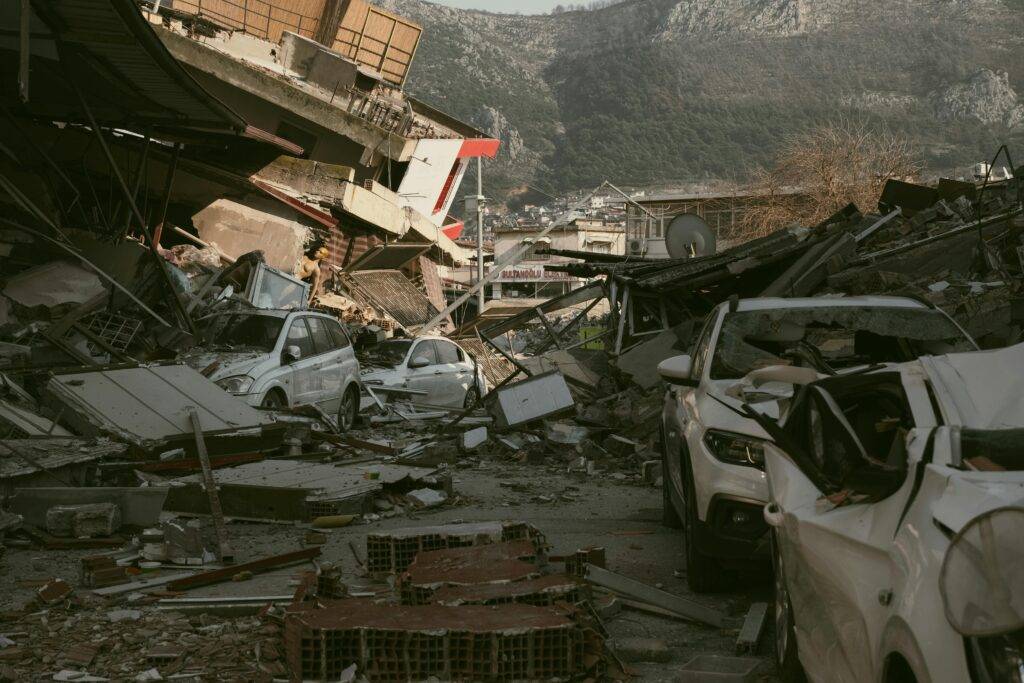
#Japan Issues Tsunami#North Pacific Earthquake/sbkinews.in
Japan issued a tsunami advisory for Iwate Prefecture on Sunday following a powerful earthquake measuring 6.8 magnitude that struck off the northern Pacific coast. The tremor, reported by the United States Geological Survey (USGS), triggered immediate alerts from the Japan Meteorological Agency (JMA) for coastal residents to stay vigilant and move away from low-lying areas.
According to JMA officials, the earthquake occurred at around 5:03 pm local time in waters off Iwate Prefecture, northeast Japan. The agency estimated possible tsunami waves of up to one metre (approximately three feet) and advised residents along the Sanriku coast to remain cautious. Though the advisory did not escalate into a full-scale tsunami warning, precautionary measures have been activated in multiple coastal towns.
Early Reports and Seismic Data
The USGS located the epicenter in the Pacific Ocean at a significant distance from land, minimizing the immediate risk of large-scale casualties or infrastructure damage. However, Japan’s Earthquake Early Warning System quickly notified regional authorities and emergency management agencies to prepare for potential aftershocks.
India’s National Center for Seismology (NCS) also recorded the tremor. The NCS registered its magnitude as 6.6 on the Richter scale, with a depth of around 30 kilometers, pinpointing coordinates at 39.51°N latitude and 143.38°E longitude in the North Pacific. Variations in recorded magnitude are common due to differences in monitoring equipment and data interpretation across agencies.
Tsunami sensors near the Iwate coast detected minor fluctuations in sea level but no significant waves had been reported by evening. Authorities have nevertheless urged continued vigilance until all advisories are lifted.
Safety Precautions and Public Response
Local disaster management offices immediately activated emergency response protocols. Coastal residents received alerts through mobile warning systems, television broadcasts, and loudspeaker announcements. Japan’s integrated disaster communication network, known for its efficiency, played a key role in ensuring timely dissemination of safety instructions.
Authorities closed several coastal roads temporarily as a precaution against potential surges. Fishing vessels were instructed to remain offshore until further notice, while security teams were deployed to ports and river mouths to monitor developments.
Residents in cities such as Miyako and Kamaishi shared real-time updates on social media, describing shaking strong enough to rattle furniture but not severe enough to cause visible structural damage. Power cuts or transportation disruptions were not reported as of late Sunday evening.
Japan’s Earthquake Preparedness
Japan sits along the Pacific “Ring of Fire,” a seismically active zone responsible for nearly 20 percent of the world’s largest earthquakes. The country has invested heavily in earthquake-resistant infrastructure and advanced monitoring networks. Over the past decade, recurrent training drills, automatic alert systems, and public education campaigns have strengthened resilience against natural disasters.
The latest quake near Iwate serves as a reminder of the importance of preparedness. Officials reiterated safety recommendations, urging citizens to review evacuation routes, keep emergency kits ready, and rely on official updates from JMA or local governments.
Experts also highlighted Japan’s long history of managing post-quake effects efficiently, citing the lessons learned from the devastating 2011 Tohoku earthquake and tsunami that caused widespread destruction and claimed thousands of lives. The current advisory reflects a cautious and proactive stance to prevent similar tragedies.
Global and Regional Monitoring
The Pacific Tsunami Warning Center (PTWC) in Hawaii monitored wave patterns across the northern Pacific following the Iwate earthquake but did not issue broader warnings to other countries. Neighboring Asian nations, including South Korea and Russia, recorded minor seismic activity but no tsunami threat.
Seismologists worldwide are studying the quake’s depth and stress patterns to understand potential aftershock risks. Researchers have noted a gradual build-up of stress zones in the northern Japan Trench, a subduction area known for frequent seismic movement.
Humanitarian Readiness and International Support
Humanitarian organizations such as the Japanese Red Cross and international relief agencies remain on standby. While no casualties or major damage were reported, Japan’s response mechanism prioritizes rapid readiness, especially in coastal prefectures with higher vulnerability to oceanic disturbances.
Residents of Iwate and neighboring Aomori prefectures expressed relief that the situation remained under control but emphasized the emotional toll of recurring earthquake alerts. Local schools and municipal centers temporarily opened shelters for precautionary safety checks, reflecting Japan’s community-centered resilience system.
Conclusion
By Sunday evening, Japan Meteorological Agency confirmed no significant tsunami developments and stated that the advisory would remain until further confirmation. The prompt issuance of warnings demonstrated Japan’s strong disaster-response infrastructure, reducing potential risks and reinforcing public confidence.
While the earthquake’s effects were moderate, it once again underscored the region’s constant exposure to seismic threats. Japan continues to lead global disaster preparedness efforts, setting standards in early warning, mitigation, and recovery systems. For more details on Japan’s tsunami advisory and the latest updates on the earthquake, refer to the report by Hindustan Times.
For more world news and powerful insights from around the globe, visit our dedicated section: World News.