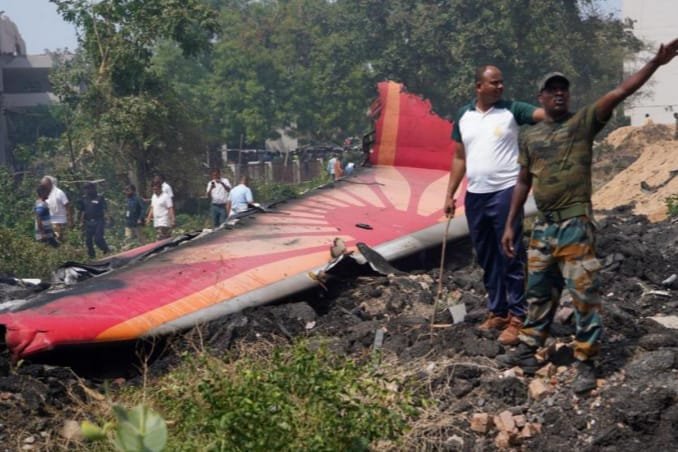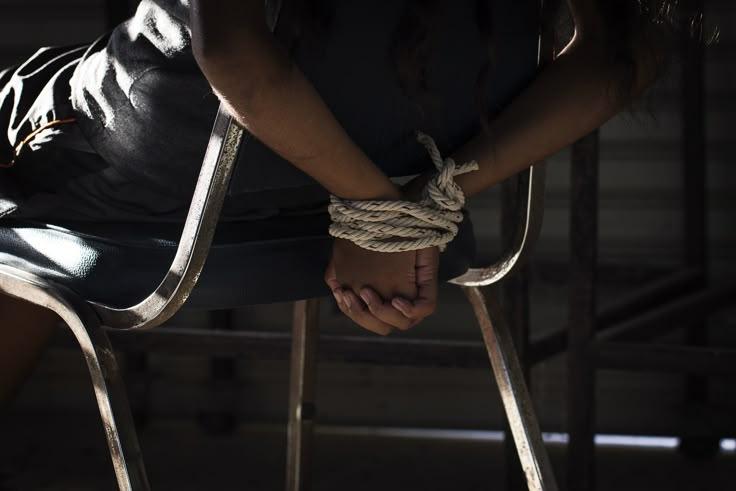
Image used for representational purposes.
#Gujarat family kidnapped in Libya/sbkinews.in
A couple from Gujarat’s Mehsana district and their three‑year‑old daughter are at the centre of a tense international hostage crisis after they were allegedly kidnapped in Libya while trying to immigrate to Portugal. Officials say the abductors have demanded a ransom of Rs 2 crore from the family’s relatives back home, sparking urgent efforts by local authorities and India’s external affairs establishment to secure their safe release.
Family’s route from Gujarat to Libya
According to Mehsana Superintendent of Police Himanshu Solanki, Kismatsinh Chavda, his wife Heenaben and daughter Devanshi left Badalpura village with the help of a Portugal‑based agent, hoping to join Chavda’s brother who is settled in Portugal. The family reportedly flew from Ahmedabad to Dubai on 29 November and were then routed to Benghazi in Libya, a North African country bordering the Mediterranean Sea, as part of their onward journey towards Europe.
Solanki stated that the agents involved in arranging the travel were not Indians and that the family had intended to regularise their stay in Portugal after arrival. The case has thrown a spotlight on the dangerous irregular migration routes that connect South Asia to Europe through the Gulf and conflict‑hit zones in North Africa, where criminal networks often exploit vulnerable travellers.
Kidnapping and Rs 2 crore ransom demand
Once in Libya, the couple and their child were allegedly taken hostage by a local gang, with the abductors contacting relatives in Mehsana to announce the kidnapping. The kidnappers have demanded Rs 2 crore as ransom, warning the family not to approach authorities while sharing distressing messages that confirmed the three were being held in captivity.
Mehsana Collector S. K. Prajapati said the victim’s kin approached him on 13 December and provided details of the ransom calls and the family’s travel route. The district administration has since informed the Gujarat government and the Ministry of External Affairs (MEA), and coordination has begun with the Indian Embassy handling Libya‑related matters to trace the hostages and engage with local authorities.
Official response and legal angles
Police in Mehsana have opened an investigation into the role of the overseas agent network that facilitated the family’s journey. Investigators are examining possible violations under India’s passport law, human trafficking statutes and sections covering cheating and criminal conspiracy, while also seeking inputs from central agencies that monitor illegal immigration channels.
Officials emphasise that while the immediate priority is the safe return of the couple and their daughter, the case underlines the need for stronger public awareness about the dangers of using unauthorised agents for foreign migration. Similar incidents in the past have involved Indians being stranded, extorted or killed along irregular Mediterranean routes, prompting repeated advisories from the MEA against such travel.
Broader context: risky paths to Europe
Migration experts note that Libya has long been a staging point for people trying to reach southern Europe by sea, despite ongoing political instability and the presence of armed militias. For many aspiring migrants from states like Gujarat and Punjab, agents promise quick entry into Europe via circuitous routes that often include stayovers in Gulf countries and North Africa, with little regard for safety or legality. For in-depth report read here.
The Mehsana kidnapping case highlights how families can become trapped between debt, false assurances and criminal networks once they leave India’s jurisdiction. Analysts say that stronger regulation of recruitment and travel agencies, coupled with better legal migration pathways and awareness campaigns in source districts, is essential to reduce the demand that fuels such dangerous journeys.
EEAT considerations for your article
To strengthen EEAT, the article should clearly attribute all factual details—names, dates, places, ransom amount and official quotes—to police and district officials, while avoiding speculation about negotiations or the hostages’ condition. Adding context on irregular migration routes, past MEA advisories and expert commentary on human‑smuggling patterns will showcase domain knowledge and provide readers with a responsible, well‑rounded understanding of the risks involved.
For more latest Gujarat news, visit our Gujarat News Latest Updates page.