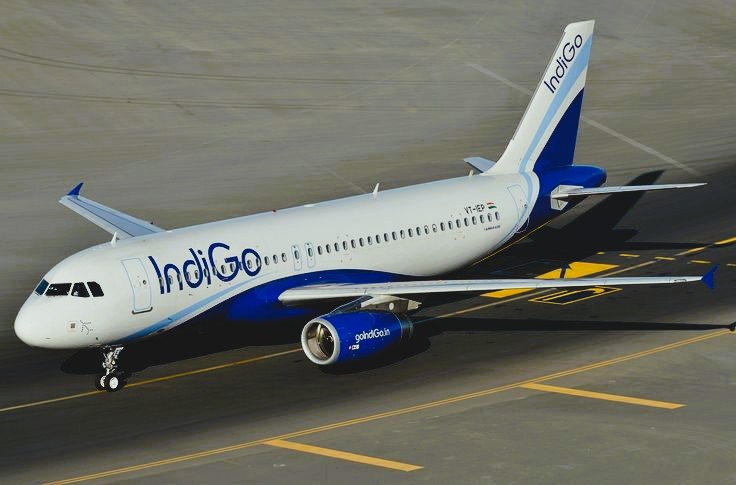
Domestic carrier IndiGo cancelled 67 flights from multiple airports on Thursday, attributing the disruption to “forecasted” bad weather and related operational issues during the winter fog period. According to the airline’s website, only four of the 67 cancellations were for routine operational reasons, while the rest were linked to poor visibility at airports including Agartala, Chandigarh, Dehradun, Varanasi and Bengaluru.
Aviation regulator DGCA has designated December 10 to February 10 as the official fog window this winter, requiring airlines to rigorously follow low‑visibility operating procedures. Under CAT‑IIIB fog norms, carriers must roster specially trained pilots and deploy CAT‑IIIB‑compliant aircraft capable of landing with very low runway visual range.
DGCA monitoring and curtailed winter schedule
IndiGo has been under intensified DGCA scrutiny this month after a wave of cancellations earlier in December exposed gaps in crew planning and scheduling. The airline was ordered to operate a curtailed winter schedule in line with government directives, limiting it to about 1,930 daily domestic flights—roughly 10% lower than its initially approved winter plan.
Originally, IndiGo had permission for 15,014 domestic flights per week (about 2,144 a day), six percent higher than its summer 2025 schedule. However, after thousands of flights were disrupted between December 1 and 9 due to alleged poor planning and crew shortages, authorities ordered a reduction to minimise knock‑on delays and protect passengers.
Passenger anger over repeated delays
Despite the official explanation of bad weather, many travellers have voiced anger on social media, accusing the airline of hiding behind fog advisories to mask planning failures. One passenger wrote on X that a Bhubaneswar–Ahmedabad flight on December 20 was delayed by more than five hours, while the return leg was later delayed by over three hours “with the same excuse as bad weather,” even though they were travelling with senior‑citizen parents.
Customers have demanded clearer communication, better rebooking options and compensation, arguing that repeated long delays and last‑minute cancellations are “not acceptable” when tickets are booked well in advance. Consumer advocates note that under India’s civil aviation requirements, airlines must provide meals, hotel stays or refunds depending on the length of delay and reason, though bad‑weather exemptions can complicate claims.
Technical background: how CAT‑III operations work
Low‑visibility operations rely on advanced landing systems and specific pilot training levels: CAT‑III A typically allows landings with a runway visual range (RVR) of 200 metres, while CAT‑III B can support approaches with RVR as low as 50 metres. IndiGo says it is scheduling CAT‑III‑qualified pilots and aircraft in line with DGCA directives, but admits that the combination of dense fog and operational constraints has forced wider cancellations across its network.
Aviation experts explain that while safety must remain the top priority, airlines are expected to anticipate winter disruptions by building reserve crews, spacing rotations and coordinating better with airport authorities. Failure to do so can convert manageable weather issues into large‑scale schedule meltdowns affecting thousands of passengers nationwide.
#IndiGo Cancel Flights/sbkinews.in
Panel probe and next steps
A four‑member DGCA oversight panel, which has already questioned IndiGo CEO Pieter Elbers and COO Isidre Porqueras, is expected to submit a detailed report on the earlier mass disruptions and recommend corrective measures. The report is likely to examine staffing levels, rostering algorithms and adherence to fog‑operation norms, and could lead to penalties or further schedule caps if serious lapses are confirmed. For in-depth report read here.
For now, authorities are urging travellers to check flight status before leaving for airports and to allow extra time for security and boarding during the fog season. As winter intensifies, how effectively IndiGo and other airlines manage their schedules under DGCA’s fog‑operation framework will determine whether India’s crowded skies see smoother operations—or repeated bouts of travel chaos—for millions of passengers.
For more insightful coverage on markets, startups and tech, explore our dedicated section: Business & Technology News.