
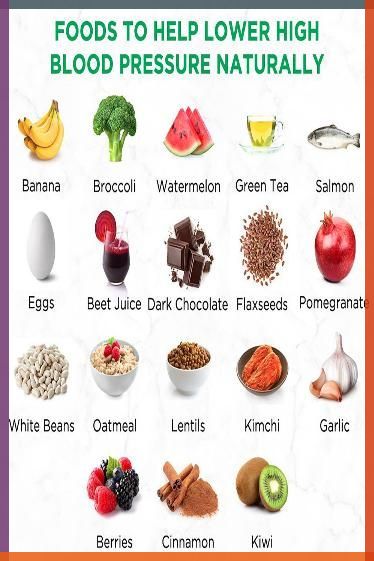
Foods for blood pressure/sbkinews.in
High blood pressure, or hypertension, is a widespread health condition affecting millions of people worldwide.It is a major risk factor for kidney problems, heart disease, and stroke.While medications can help manage high blood pressure, adopting a heart-healthy diet remains a fundamental step to maintain blood pressure within the normal range and improve overall health.
Understanding Blood Pressure and Its Risks
The force that blood applies to artery walls when the heart pumps is measured by blood pressure. It is recorded as two numbers: systolic pressure (when the heart beats) over diastolic pressure (when the heart rests between beats). The force that blood applies to artery walls when the heart pumps is measured by blood pressure.
Elevated or high blood pressure means the heart must work harder, damaging blood vessels and increasing the risk of life-threatening conditions over time. Thankfully, certain foods can help support healthy blood pressure levels naturally.
Foods for blood pressure
The Role of Diet in Blood Pressure Management
Dietary choices significantly affect blood pressure. Foods rich in potassium, magnesium, fiber, and some plant compounds have shown promising effects in lowering blood pressure or preventing its rise. Conversely, high sodium intake, excessive fats, and processed food consumption may elevate risk.
Top Foods to Maintain Normal Blood Pressure
Here are some of the best foods recommended by nutrition experts and scientific research for maintaining healthy blood pressure:
1. Leafy Green Vegetables
Leafy greens such as spinach, kale, and Swiss chard are exceptional sources of potassium and magnesium—minerals vital for blood pressure regulation. Potassium helps the kidneys remove sodium, reducing pressure on blood vessels, while magnesium supports muscle relaxation, including the heart.
Research shows regular consumption of leafy greens is linked to lower systolic and diastolic pressures. Spinach also contains plant-based nitrates that may improve blood flow and reduce blood pressure.
Foods for blood pressure
2. Berries
Berries like blueberries, strawberries, and raspberries are rich in antioxidants called anthocyanins. These compounds help reduce blood vessel inflammation and enhance nitric oxide production, aiding in blood vessel dilation and reducing pressure.
Studies suggest consuming berries regularly can lower systolic blood pressure by a few millimeters of mercury, contributing to heart health.
Foods for blood pressure
3. Citrus Fruits
Oranges, lemons, and grapefruits offer abundant vitamin C, potassium, and flavonoids. These nutrients help relax blood vessels and improve arterial function, positively influencing blood pressure.
Research finds that eating about four oranges (around 530–600 grams of fruit) daily may benefit individuals in maintaining healthy blood pressure levels.
4. Fatty Fish
Salmon, mackerel, and sardines are rich in omega-3 fatty acids, known for their anti-inflammatory properties. Omega-3 fats can lower blood pressure modestly by improving blood vessel flexibility and reducing inflammation.
A serving of 3.5 ounces (100 grams) of fatty fish several times a week is often recommended to gain these cardiovascular benefits.
Foods for blood pressure
5. Nuts and Seeds
Almonds, walnuts, flaxseeds, chia seeds, and pumpkin seeds provide fiber, magnesium, and amino acids like arginine, which supports nitric oxide production, essential for blood vessel relaxation.
Including a small handful of nuts or seeds daily can support healthy blood pressure and overall heart health.
6. Legumes
Beans, lentils, and peas are excellent sources of magnesium, potassium, and fiber. These nutrients have been associated with lower blood pressure and improved heart health markers.
Although studies show mixed results, a diet rich in legumes is generally recommended for cardiovascular disease prevention.
Foods for blood pressure
7. Whole Grains
Whole grains such as oats, quinoa, brown rice, and amaranth provide fiber and magnesium. Fiber helps reduce cholesterol and maintain vascular health, while magnesium contributes to muscle relaxation and blood pressure control.
A lower risk of hypertension is linked to eating whole grains rather than processed carbs.
8. Olive Oil
Extra virgin olive oil contains heart-healthy monounsaturated fats and antioxidants like polyphenols that can improve blood vessel health and lower blood pressure.
Using olive oil as the primary cooking fat in place of saturated fats is beneficial for cardiovascular health.
9. Low-Fat Dairy
Yogurt, milk, and cheese with low-fat content are valuable sources of calcium, vitamin D, and protein. Calcium intake is linked to blood pressure regulation, and low-fat options limit saturated fat intake.
Incorporating low-fat dairy products as part of a balanced diet is recommended by many heart health guidelines.
10. Garlic
Garlic has natural compounds that may help relax blood vessels and improve nitric oxide levels, contributing to reduced blood pressure.
Regular consumption of garlic, whether raw or cooked, is associated with modest reductions in blood pressure.
Lifestyle Tips to Complement a Healthy Diet
Beyond food choices, lifestyle adjustments are crucial for optimal blood pressure control:
Limit Sodium Intake: Reducing salt helps prevent water retention and blood vessel constriction.
Stay Active: Regular exercise strengthens the heart and improves vascular function.
Maintain a Healthy Weight: Excess weight increases strain on the heart.
Control Stress: Over time, prolonged stress can cause blood pressure to rise.
Avoid Excessive Alcohol and Tobacco: Both can elevate blood pressure and damage cardiovascular health.
Conclusion
Blood pressure must be kept within normal limits for long-term cardiovascular health and general wellbeing.. Incorporating nutrient-rich foods such as leafy greens, berries, citrus fruits, fatty fish, nuts, legumes, whole grains, olive oil, and low-fat dairy, along with lifestyle changes, can effectively help regulate blood pressure.
Consulting healthcare professionals for personalized advice and regular monitoring will ensure a balanced approach in managing blood pressure naturally, reducing the risk of serious health complications.
Foods for blood pressure
This comprehensive article uses current scientific evidence and expert recommendations to provide a clear, informative guide on foods for maintaining normal blood pressure. If needed, the article can be expanded or focused on particular details further.