Colorectal cancer hidden Danger/sbkinews.in
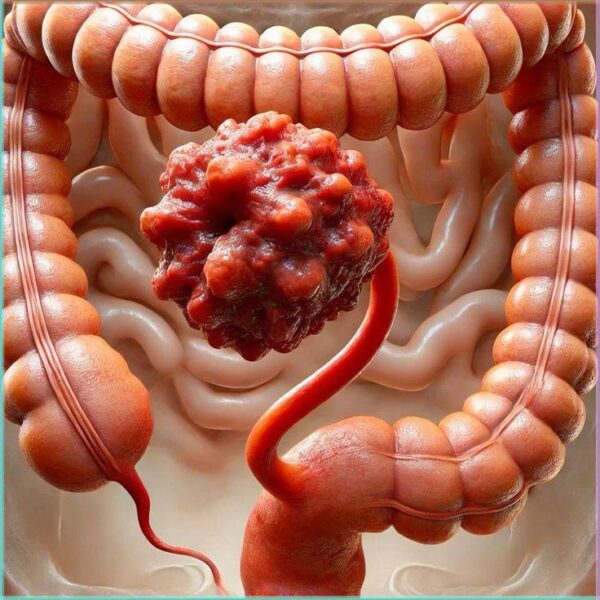
Colorectal cancer is alarmingly rising among young adults, and emerging research links this trend to higher consumption of ultra-processed foods and frozen or processed meats. This article explores the scientific findings, risk factors, mechanisms, and the implications for prevention and public health.
The Alarming Trend: Colorectal Cancer Among the Young
Recent studies show a substantial increase in early-onset colorectal cancer (CRC) cases worldwide, particularly in people under 50, a demographic once considered low-risk. Data from the US, Europe, and India highlight a clear upward trajectory, with some regions reporting annual increases of 5-8% in young adults. In the US, one in five new CRC diagnoses now occurs in individuals under 55.
New Research: Ultra-Processed Foods and Frozen Meats
A large 2025 study from Mass General Brigham, published in JAMA Oncology, followed nearly 30,000 women under age 50 for over two decades. The analysis revealed a 45% higher risk of developing colorectal adenomas (precancerous polyps) among those consuming about 10 servings of ultra-processed foods daily versus those eating roughly 3 servings. This association remained significant even after accounting for obesity, diabetes, fiber intake, and other major risk factors.
Similarly, experts in India have noted that younger patients with colorectal cancer often have diets high in fast food, frozen “heat-and-eat” meats, sodas, chips, candies, and fried snacks. Processed meat, poultry, and fish were flagged as particularly harmful due to carcinogenic additives and industrial chemicals present in their processing and packaging.
How Diet Drives Cancer Risk
Ultra-processed foods generally lack fiber, plant-derived compounds, and essential nutrients crucial for gut health. Their high content of sugar, salt, saturated fat, and additives can:
Trigger chronic, low-grade inflammation in the intestinal lining.
Disrupt the gut microbial balance, lowering beneficial bacteria and promoting conditions conducive to tumor growth.
Allow toxins to penetrate the gut barrier, further spurring abnormal cell changes.
Processed meats are classified by the World Health Organization as carcinogenic, especially because of nitrites, nitrates, and other chemicals that can transform into cancer-causing compounds when heated or digested. Metabolomic studies reveal that young CRC patients often have higher levels of molecules linked to red and processed meat consumption.
The Science Behind the Link
Several mechanisms are believed to mediate this diet-cancer connection:
Inadequate fiber fails to “scrub” the colon, allowing harmful bacteria and waste to accumulate.
Additives, preservatives, and certain industrial chemicals can inflame and damage the gut lining.
Imbalanced gut microbiota may reduce protective functions and increase inflammation, worsening cancer risk.
A separate genetic and metabolic analysis found young patients frequently possess higher concentrations of arginine and urea cycle metabolites — a pattern associated with lifelong processed meat intake.
Lifestyle and Screening Factors
Beyond diet, risk is compounded by other lifestyle factors typical among younger people: sedentary routines, long hours at desks, sleep deprivation, and minimal physical activity. Taken together, these habits create an environment conducive to abnormal cell growth in the colon and rectum.
Screening for colorectal cancer at younger ages is still debated, but experts recommend earlier assessments for those with family history or concerning symptoms. In the US, routine screening age recently dropped from 50 to 45 in response to these trends.
Prevention and Public Health Advice
Rising rates of CRC in young populations are a clear warning signal. Experts strongly recommend:
Minimizing ultra-processed foods, sugary drinks, packaged snacks, and frozen meats in daily diets.
Emphasizing fiber-rich foods, fresh fruits, vegetables, and home-cooked meals.
Raising awareness about the risks of Westernized diets among youth and families.
Conclusion
The link between ultra-processed foods, frozen meats, and early-onset colorectal cancer is now supported by robust evidence. As young CRC cases skyrocket globally, the focus must shift toward dietary changes, awareness, and timely screenings to protect vulnerable populations.indianexpress
SBKI News “Stay informed, stay empowered — your trusted source for breaking news and in-depth regional updates from India and beyond.”