Thousands of Kindle users face a rude shock as Amazon pulls the plug on pre-2012 e-readers, limiting access to new books and forcing upgrades by May 20.
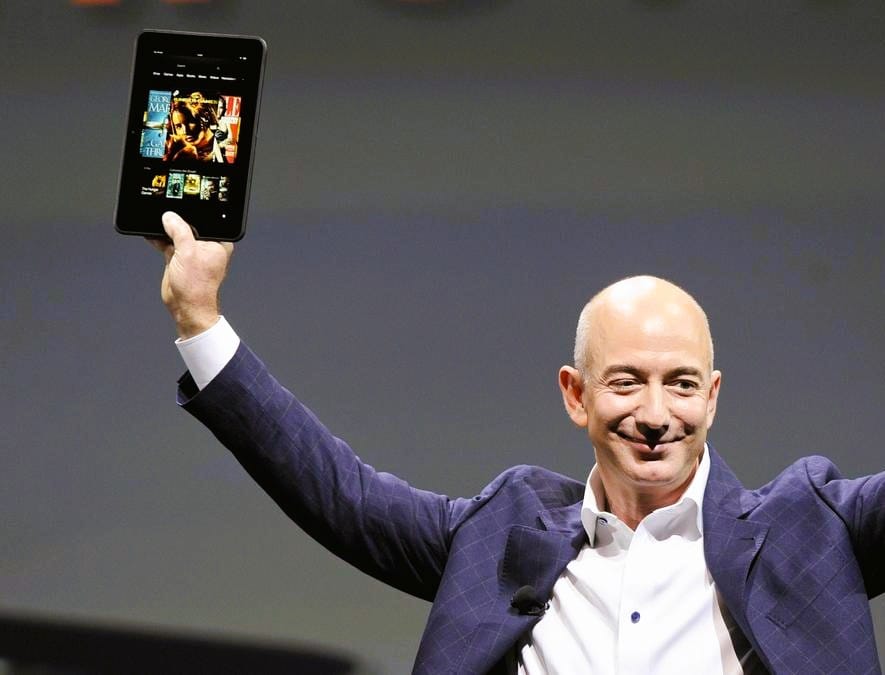
Amazon’s Official Notice: After May 20, 2026, the Kindle 1st Gen, DX, and Paperwhite 1st Gen will no longer be able to access the store. Users will have to decide whether to upgrade.
Introduction
Amazon has dropped a bombshell on owners of its oldest Kindle e-readers. Starting May 20, 2026, devices released in 2012 or earlier will lose key functionalities, including the ability to buy, borrow, or download new books from the Kindle Store. This move, confirmed via email notifications to affected users and spotted on Amazon UK, impacts models like Kindle 1st and 2nd Generation, Kindle DX, DX Graphite, Kindle Keyboard (3rd Gen), Kindle 4, Kindle Touch, Kindle 5, and Kindle Paperwhite 1st Generation. Yeh issue kaafi serious hai for book lovers who swear by these lightweight, eye-friendly devices.
The devices won’t turn into useless bricks overnight; they’ll still read content that was downloaded before. But because you can’t access the store or re-register, your library will stay the same. People are angry, disappointed, and even talking about jailbreaking or piracy as desperate ways to get around the problem on social media. Check out our roundup at SBKI News Top 10 Trends.
Detailed Explanation: Why and How This is Happening
Amazon made this choice because of how hardware naturally ages. These models came out between 2007 and 2012 and have been updated for 14 to 18 years, which is much longer than most tech gadgets. Amazon spokesperson Jesse Carr said, “Technology has come a long way since then, and these devices will no longer be supported.”
How does it work in real life? Kindles that are affected have old firmware that doesn’t work with the latest Kindle Store protocols, web browsing, or Send-to-Kindle features. If you deregister the device or do a factory reset after May 20, you won’t be able to register it again with your Amazon account. There are no new downloads, no Libby library borrows, and no new purchases. You can only read existing files or add your own documents (legal or not) to the USB drive. The Hindu has covered the story.
Amazon is letting active users know and sweetening the deal with deals: 20% off new Kindles and £15 in book credits in some areas. But for a lot of people, it’s too little, too late. The change fits with what is happening in the industry, where companies are getting rid of old hardware support to focus on newer, more profitable hardware.
Statements and Quotes
User reactions are pouring in. One Reddit user fumed, “I’ve had my Kindle for years, but it still works perfectly… How wasteful is it to make a product practically unusable just to force people to buy a newer model?”
Amazon’s official line is pragmatic: “These models have been supported for at least 14 years—some as long as 18 years… We are notifying those still actively using them and providing promotions to assist the transition to newer devices. Their accounts’ Kindle Library will still be accessible through the free Kindle app and Kindle for Web.”
A tech analyst from MobileRead forums added, “Bummer.” Starting May 20, 2026—14 to 18 years after their initial launches—we are discontinuing support. “Experts like those at TechCrunch call it “cutting them off from the Kindle Store, making them virtually unable to load any new content.”
Background and Timeline
Kindle revolutionised reading since its 2007 debut. The 1st Gen Kindle launched November 19, 2007; 2nd Gen in 2009; DX in 2009; Keyboard (3rd Gen) in 2010; Touch and 4/5 in 2011; Paperwhite 1st Gen in 2012.
- 2007–2012: The most popular time for these models. They were light, had long battery life, and were great for reading without distractions.
In 2016, Amazon forced updates on models made before 2012 in order to keep access to the store, which was a sign of the end times.
In April 2026, notifications will be sent out by email and through Amazon accounts.
May 20, 2026: Support ends—no new content and no need to register again.
This isn’t the first time Amazon has done this. In 2025, Google stopped making old Nest thermostats, and e-waste is growing quickly—by 2030, it is expected to reach 82 million tonnes worldwide.
Why This Matters
This is a big blow for people who love reading on e-ink devices because they have screens that don’t glare, batteries that last for weeks, and are easy to carry around without straining their eyes. Your device suddenly becomes a relic, pushing upgrades even though people are worried about e-waste.
It pushes Amazon to use ads-heavy new models in business, which hurts trust. It’s planned obsolescence for society—manufacturers “bricking” working hardware to boost sales. This is bad news for consumers, especially those on a budget who bought durable tech.
Local Angle: Impact on Indian Readers
India’s Kindle market is booming. Millions of people love it for English-Hindi books, JEE/NEET prep PDFs, and novels by Amar Chitra Katha and Chetan Bhagat. But with the competition between Flipkart and Amazon. Prices for new models start at ₹8,000, which makes it hard for middle-class people in places like Chāndpur, UP, to upgrade.
People in X (formerly Twitter) are going crazy: “Mera Kindle DX ab kya karu? Don’t buy anything!” Many people rely on sideloading pirated content or free PDFs, but losing access to the Store makes things less convenient. This means that students and commuters in Delhi-NCR or Rajasthan will have to give up their favourite devices because of rising prices. Alternatives to Indian e-readers like PocketBook or reMarkable might do well, but Amazon’s dominance makes this a big deal here.
Analysis
This screams classic tech lifecycle management. Amazon’s supporting these relics way longer than competitors (Apple drops iPhones after 5-7 years), but the cutoff feels abrupt. Logically, maintenance costs for ancient firmware outweigh benefits, especially with cloud syncing now king.
But it’s short-sighted because it drives away loyal customers and adds to e-waste in India, which cares about the environment. Move of power? Yes, but it’s risky because of antitrust scrutiny. Searches for “Kindle support end 2026” are going through the roof, which is great news for upgrade guides. What I think: Smart people are stocking up on books now and looking at open-source e-ink like Boox.
What Next
Post-May 20, expect:
Surge in jailbreak tutorials (risky, voids warranties).
Amazon is pushing bundles with ads (new Kindles show lock screens).
Rise of competitors: Kobo, Onyx Boox for ad-free reading.
Possible extensions if backlash grows, but unlikely—Amazon’s history shows firmness.
Legal challenges? Slim, as 18-year support exceeds norms.
Users should back up their libraries right away using Kindle for Web or the app. Check your email because promotions might last longer.
Conclusion
Amazon’s decision to stop supporting 7+ older Kindle models by May 2026 mark the end of an era for e-reading pioneers. There are other options, like apps and USB drives, but losing convenience is frustrating and makes people angry about obsolescence. In the end, it pushes us to adopt habits that are good for the environment. Maybe we should go back to using physical libraries? Book lovers, hurry up; your digital shelf needs some work. Yeh change nahi ho sakta, lekin achi planning zaroori hai.
Written By Aisha Arif.