

Anti-cancer diet/sbkinews.in
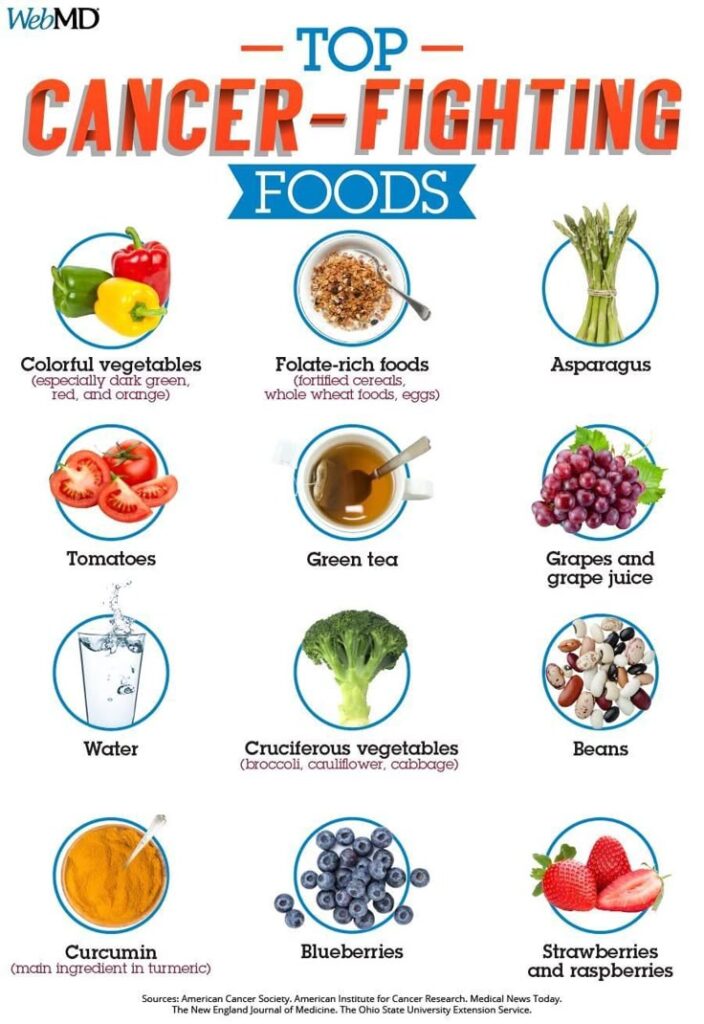
Cancer continues to be a major global health challenge, with millions affected each year. While treatments have advanced, prevention remains key. Scientific evidence increasingly highlights the important role diet plays in either reducing or increasing cancer risk. By choosing the right foods consistently, individuals can enhance their body’s natural defenses against the onset and progression of cancer. Below is a detailed look at six foods that experts agree can lower the risk of cancer, supported by extensive research and expert insights.
Anti-cancer diet
1. Cruciferous Vegetables — The Powerhouse of Prevention
Cruciferous vegetables such as broccoli, cauliflower, Brussels sprouts, and cabbage are rich in compounds like glucosinolates, which convert into biologically active substances like sulforaphane. These compounds have potent anti-cancer properties including the ability to inhibit carcinogen activation, promote detoxification, and induce cancer cell death. According to Dr. Lisa Feldman, a leading cancer nutrition researcher, “Regular consumption of cruciferous vegetables supports your body’s ability to fight cancer by modulating gene expression and reducing oxidative stress.” Multiple epidemiological studies link high intake of these vegetables to a reduced risk of lung, colorectal, and prostate cancers.
Anti-cancer diet
2. Berries — Tiny Fruits, Mighty Antioxidants
Berries including blueberries, strawberries, and raspberries are loaded with antioxidants such as anthocyanins, vitamin C, and ellagic acid that neutralize harmful free radicals. These antioxidants reduce DNA damage, a critical factor in carcinogenesis. Nutritionist Sarah Yang explains, “Including berries daily boosts immune function and inflammation control, both crucial in cancer prevention.” Clinical trials show that berry-derived compounds can inhibit tumor growth and reduce markers associated with certain cancers like colorectal and oral cancers.
Anti-cancer diet
3. Tomatoes — Lycopene-Rich Tomatoes Fight Prostate Cancer
Tomatoes are a major source of lycopene, a carotenoid pigment with strong antioxidant activity. Lycopene accumulates in human tissue, particularly the prostate, where it may combat tumor progression. Dr. Raj Patel, an expert in nutritional oncology, notes, “Research consistently shows a correlation between lycopene consumption and reduced prostate cancer risk.” Cooking tomatoes increases lycopene bioavailability, making sauces and cooked dishes excellent additions to a cancer-preventive diet.
Anti-cancer diet
4. Green Tea — Polyphenols for Protection
Green tea contains high levels of epigallocatechin gallate (EGCG), a polyphenol widely studied for cancer prevention. EGCG impacts cell proliferation, apoptosis, and angiogenesis. Herbalist Dr. K. Singh states, “Green tea’s bioactive components help suppress cancer cell growth and inhibit metastasis.” Population studies link chronic green tea consumption with lower incidences of breast, lung, and colorectal cancers.
Anti-cancer diet
5. Garlic — More Than Just Flavor
Garlic is rich in sulfur compounds like allicin, which exhibit antimicrobial, anti-inflammatory, and anti-cancer effects. The National Cancer Institute highlights garlic’s role in reducing stomach, colorectal, and esophageal cancers through its ability to deactivate carcinogens and boost immune defenses. Dietitian Emily Jones asserts, “Garlic enhances detox pathways and triggers apoptosis in damaged cells, offering a natural chemoprotective effect.”
Anti-cancer diet
6. Nuts — Nutrient-Dense and Cancer Protective
Nuts such as walnuts, almonds, and Brazil nuts provide healthy fats, fiber, vitamins, and antioxidants. Studies associate regular nut consumption with lower risks of colorectal and pancreatic cancers. “Nuts contribute to balancing inflammation and oxidative stress, essential for lowering cancer risk,” says epidemiologist Dr. Mark Evans. Incorporating a handful of nuts daily has been linked to improved cellular resilience.
Anti-cancer diet
Holistic Cancer Prevention: The Big Picture
Experts stress that cancer prevention is multifactorial. Integrating these six foods into a balanced diet while avoiding excess processed meats, refined sugars, and limiting alcohol is crucial. The American Cancer Society recommends a diet primarily rich in plant-based foods and whole grains. Combined with maintaining a healthy weight, regular physical activity, and no tobacco use, dietary choices significantly modulate cancer risk.
Anti-cancer diet
Expert Perspectives
Dr. Harriet Meyers, oncologist and public health advocate, emphasizes, “Diet is one of the most controllable factors influencing cancer risk. Simple, consistent nutritional changes can markedly reduce disease incidence.” The World Cancer Research Fund echoes this, urging worldwide adoption of diets rich in fruits, vegetables, legumes, and whole grains for cancer prevention.
Practical Tips for Inclusion
Add a variety of cruciferous vegetables to weekly meals — try roasting or blending into smoothies.
Snack on fresh berries or blend a daily berry smoothie.
Cook with tomatoes frequently — tomato sauce, soups, or stews.
Swap sugary drinks for green tea several times a week.
Use fresh garlic in cooking for flavor and health benefits.
Include nuts as a snack or salad topping.
Conclusion
While no diet guarantees cancer prevention, science strongly supports that certain foods can reduce cancer risk through antioxidant, anti-inflammatory, and immune-boosting effects. Embracing a diet abundant in cruciferous vegetables, berries, tomatoes, green tea, garlic, and nuts is a potent strategy in the holistic fight against cancer, empowering individuals to live long and live strong.