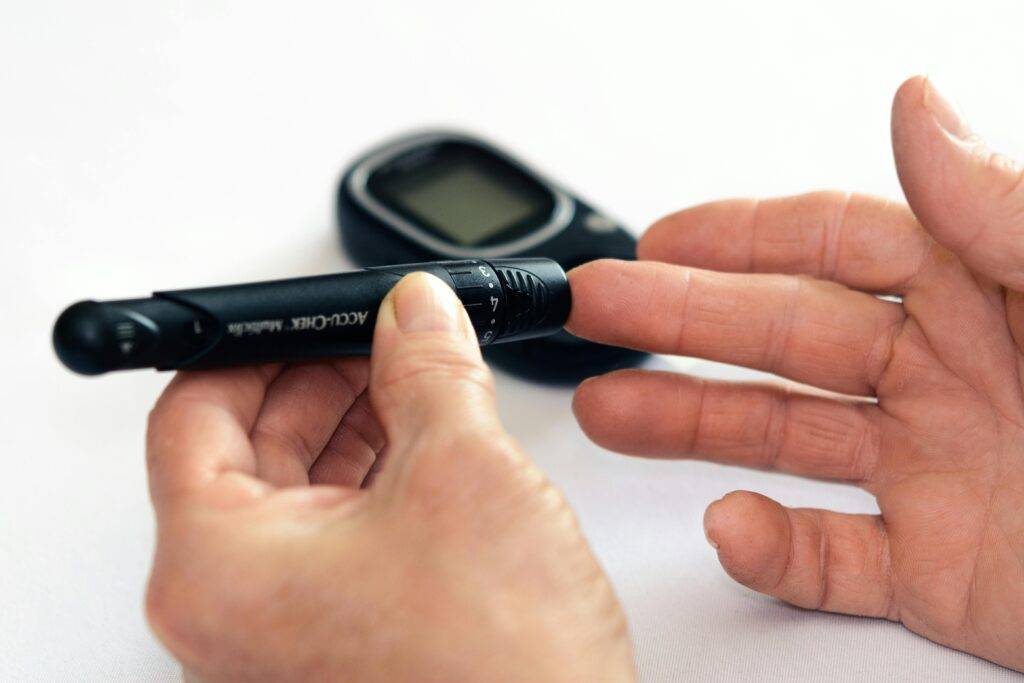
A major step forward in preventive healthcare has been achieved through a new study that identifies unique blood biomarkers capable of detecting diabetic kidney disease in its earliest stages. The discovery, made by researchers at the Indian Institute of Technology (IIT) Bombay in collaboration with Osmania Medical College, opens pathways for early diagnosis and customized treatment plans tailored to individual patient needs.
The research, led by Professor Pramod Wangikar from IIT Bombay along with Dr. Rakesh Sahay and Dr. Manisha Sahay from Osmania Medical College, focused on uncovering subtle biochemical patterns in blood samples of diabetic patients. These patterns, or biomarkers, help in identifying individuals at risk of kidney-related complications long before visible symptoms or clinical diagnosis occur.
Understanding the Challenge
Diabetic kidney disease, also known as diabetic nephropathy, is one of the most serious complications of diabetes. It gradually impairs the kidneys’ ability to filter waste, often leading to end-stage renal failure if not treated in time. According to recent estimates, nearly one-third of adults with diabetes eventually develop kidney problems. Unfortunately, many of these cases are diagnosed too late—when the damage is already irreversible.
The late detection stems from the fact that early symptoms like fatigue, swelling, or mild changes in urine often go unnoticed. As a result, patients miss the best window for preventive treatment. Early detection through reliable biomarkers can drastically change this scenario.
The Study and Its Significance
The IIT Bombay research team used advanced biochemical and computational methods to identify tiny molecular changes in blood samples. Through detailed metabolic profiling, they isolated specific biological compounds that signal stress or inflammation in the kidneys much earlier than current diagnostic tests allow.
Professor Wangikar explained that these biomarkers serve as “molecular fingerprints” for early kidney damage in diabetic patients. The study involved both diabetic and non-diabetic participants to distinguish disease-specific patterns. Findings showed clear differences that could predict the progression toward diabetic kidney disease even before conventional markers like serum creatinine rise.
Dr. Manisha Sahay from Osmania Medical College added that early identification provides a tremendous advantage for doctors and patients. It allows healthcare providers to modify treatment strategies, adjust medications, and monitor kidney function more closely in high-risk individuals.
A Step Toward Personalized Medicine
What makes this discovery particularly valuable is its contribution to personalized medicine. Every patient experiences diabetes differently; genetic factors, lifestyle, and comorbidities influence the disease’s impact. By analyzing each individual’s biomarker profile, physicians can design treatment plans that are more precise, effective, and preventive in nature.
Dr. Rakesh Sahay highlighted that this personalized approach can reduce the incidence of kidney failure, minimize hospitalizations, and improve the quality of life for diabetic patients. It also helps in optimizing healthcare costs by avoiding advanced-stage treatments like dialysis and transplant.
Broader Implications for Public Health
India, being the diabetes capital of the world, carries a heavy burden of chronic illnesses linked to the condition. The integration of such biomarker-based tests into routine checkups could revolutionize national diabetes management programs. Regular screening using these markers will help identify high-risk patients early, prevent complications, and ultimately reduce the national disease load.
Experts believe that integrating these findings into the healthcare system can support community health programs and enhance awareness about kidney protection in diabetic individuals. It can also encourage patients to adopt healthier lifestyles when they understand their underlying risk profile.
The Road Ahead
While this discovery marks a significant leap, researchers emphasize the need for larger-scale validation studies to ensure that these biomarkers are effective across varied populations. Future research will focus on developing accessible blood test kits that can be used in hospitals and diagnostic centers.
Collaboration between engineering institutions like IIT Bombay and medical colleges such as Osmania Medical College reflects the growing importance of interdisciplinary research in tackling lifestyle diseases. The synergy of technology, biochemistry, and clinical practice is unlocking solutions that were once beyond reach.
This breakthrough may soon lead to diagnostic tools that can alert doctors years before visible damage occurs, thereby transforming diabetes care forever. The study’s findings hold the promise of saving millions from the devastating consequences of kidney failure.
As the scientific community continues its effort to validate and refine these biomarkers, the message is clear—early detection is key. This research underscores the urgent need to screen diabetic patients regularly and adopt precision healthcare strategies that align with each person’s unique biological makeup.
If implemented effectively, this biomarker-based approach will not only improve medical outcomes but also strengthen India’s standing in global health innovation, making a measurable impact on millions of lives in the fight against diabetes-related complications.
For more updates on breakthroughs in diabetes care and other vital health news, visit our Top 7 Vital Health News Updates section regularly.