Bulandshahr News
बुलंदशहर के छतारी क्षेत्र स्थित राधा‑कृष्ण मंदिर के 24 वर्षीय पुजारी ओम शर्मा ने रेबीज के कारण दम तोड़ दिया। दो महीने पहले ही आवारा कुत्ते ने उन्हें पैर में काट लिया था, लेकिन एंटी‑रेबीज वैक्सीन (एआरवी) नहीं लगवाई गई, जिसकी लापरवाही अंततः उनकी जान ले गई।

छतारी, बुलंदशहर – राधा कृष्ण मंदिर के पुजारी ओम शर्मा की रेबीज के बाद दिल्ली अस्पताल में मौत। लोगों में आवारा कुत्तों और टीकाकरण को लेकर चिंता बढ़ी है।
घटना क्या हुई? रेबीज कैसे बनी मौत का कारण?
बुलंदशहर जिले के छतारी इलाके में एक दिल दहला देने वाली घटना घटी है। 24 वर्षीय युवा पुजारी ओम शर्मा, जो छतारी स्थित राधा‑कृष्ण मंदिर (श्री राधा कृष्ण कृपा धाम) में सेवा कार्य करते थे, रेबीज के कारण दिल्ली के महर्षि वाल्मीकि संक्रामक रोग अस्पताल में दम तोड़ दिए।
ओम शर्मा, बुलंदशहर डीएम रोड आवास विकास निवासी दिनेश चंद शर्मा के बेटे थे। लगभग डेढ़ साल पहले ही वह छतारी के नए बने राधा‑कृष्ण मंदिर में पुजारी के रूप में पदस्थ हुए थे। दो महीने पहले मंदिर के पास ही एक आवारा कुत्ते ने उनके पैर में काट लिया था, लेकिन उन्होंने न तो घाव ठीक से साफ किया और न ही किसी अस्पताल में जाकर एंटी‑रेबीज वैक्सीन या टिटनेस का इंजेक्शन लगवाया।
जब रेबीज के लक्षण दिखने लगे, तब तक वायरस उनके तंत्रिका तंत्र में पहुंच चुका था। परिवार ने उन्हें बुलंदशहर से दिल्ली तक ले जाकर कई बड़े अस्पतालों में घूमाया, लेकिन चिकित्सकों ने भी कहा कि इस स्थिति में बचाव संभव नहीं है। अंत में, रास्ते में दानपुर के एक झाड़‑फूंक करने वाले के पास ले जाते हुए ही ओम शर्मा ने दम तोड़ दिया।
लक्षण कैसे दिखने लगे, कहां‑कहां घूमे इलाज के लिए?
परिवार के अनुसार, 16 मार्च को ओम शर्मा को हल्की तकलीफ महसूस हुई, जिस पर वह स्थानीय चिकित्सक के पास गए और फिर वापस मंदिर चले आए। लेकिन अगले कुछ दिनों में उनकी हालत तेजी से बिगड़ने लगी। वे पानी से डरने लगे, पानी पीने पर उल्टी जैसा व्यवहार करने लगे और खाना भी छोड़ दिया। यही “hydrophobia” रेबीज के चरम चरण का एक मुख्य लक्षण है।
स्वजन उन्हें लेकर शुक्रवार को बुलंदशहर के कई नर्सिंग होम और क्लिनिक में घूमे। वहां चिकित्सकों ने रेबीज के लक्षण बताए। शनिवार को उन्हें जिला अस्पताल की इमरजेंसी में ले जाया गया, जहां इमरजेंसी मेडिकल ऑफिसर ने भी रेबीज की पुष्टि कर ओम को दिल्ली रेफर कर दिया।
दिल्ली में ओम शर्मा को कई सरकारी अस्पतालों में ले जाया गया – सफदरजंग हॉस्पिटल, गुरु तेग बहादुर हॉस्पिटल, लोकनायक गंभीर अस्पताल और अंततः महर्षि वाल्मीकि संक्रामक रोग अस्पताल। वहां भी डॉक्टरों ने उनकी हालत को गंभीर बताते हुए स्पष्ट किया कि अब कोई ठोस इलाज नहीं है, क्योंकि रेबीज वायरस दिमाग तक पहुंच चुका था।
झाड़‑फूंक और दानपुर: अंतिम गलत कदम
इसी बीच, लोगों ने ओम के परिजनों से कहा कि दानपुर की एक जगह कोई व्यक्ति “कुत्ते के काटे मरीजों” की झाड़‑फूंक करता है और उन्हें बचा देता है। आशा की इस झिझकित रोशनी में घबराए हुए परिवार ने रविवार शाम को दिल्ली से ओम शर्मा को दानपुर की ओर ले जाने का फैसला किया।
लेकिन रास्ते में ही उनकी हालत इतनी खराब हो गई कि उनकी पल्स लगभग 56 पर जा पहुंची थी और वे दम तोड़ दिए। दानपुर वाले झाड़‑फूंक का वह डिक्लेयर्ड “हीलर” तक भी नहीं पहुंच पाया। इस तरह, वैज्ञानिक इलाज के बाद भी अंतिम क्षण तक आधुनिक चिकित्सा के स्थान पर रहस्यवादी विश्वास को तरजीह देना एक और भारी नुकसान बन गया।
परिवार, दोष और शोक
ओम शर्मा के पिता दिनेश चंद शर्मा के अनुसार, उनका बेटा एक शांत, भक्ति‑भाव से भरा युवा था, जो मंदिर की सेवा में लगा रहा था। उन्होंने बताया कि जब ओम को पानी पीने में दिक्कत होने लगी, तो उन्हें लगा शायद कोई मामूली बीमारी है। लेकिन जब जिला अस्पताल और दिल्ली के अस्पतालों में रेबीज की बात सुनी, तो परिवार पूरी तरह धराशायी हो गया।
for more in depth click here
read more here
Bulandshahr news : Priest Dies from Rabies After Stray Dog Bite at Radha Krishna Temple
In Bulandshahr’s Chhatari area, 24‑year‑old priest Om Sharma has died from rabies days after being bitten on the leg by a stray dog near the Shri Radha Krishna temple he served at. The delay in taking anti‑rabies injection, and later reliance on local healers, turned the bite into a fatal tragedy.
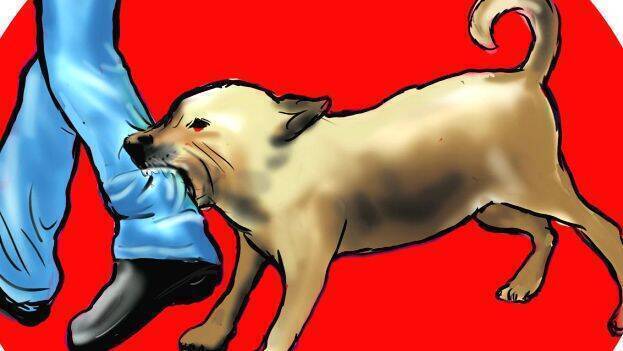
A stray dog bite at Chhatari’s Radha Krishna temple area claimed the life of priest Om Sharma in Bulandshahr, highlighting the dangers of skipping rabies vaccination.
What happened to Om Sharma?
Om Sharma, a 24‑year‑old priest at the Shri Radha Krishna temple in Chhatari, Bulandshahr, has died from rabies following a stray‑dog bite. Two months ago, a wandering dog attacked him near the temple and bit his leg. Instead of immediately getting an anti‑rabies vaccine (ARV) and tetanus shot, Om and his family neglected the treatment, reportedly treating the bite as a minor injury.
By mid‑March, Om began to feel unwell. On 16 March, he experienced mild symptoms and visited a local doctor, but the seriousness was not recognized at that stage. Over the next few days, his condition worsened: he refused water, vomited whenever forced to drink, and showed other classic signs of rabies such as agitation and fear of water (hydrophobia).
From Chhatari to Delhi: a desperate race for treatment
Alarmed by his deteriorating health, Om’s family took him to several nursing homes and clinics in Bulandshahr on Friday. Doctors there identified rabies‑like symptoms but advised higher‑level care. The next day, he was taken to the district hospital emergency, where the emergency medical officer also confirmed rabies signs and immediately referred him to Delhi.
The family rushed him to Delhi’s Safdarjung Hospital, followed by Guru Teg Bahadur Hospital and Lok Nayak Hospital. Finally, he was admitted to the Maharishi Valmiki Infectious Diseases Hospital in Delhi, where rabies was formally confirmed and his condition declared critical. By then, the infection had advanced too far, and doctors said treatment options were extremely limited.
Still clutching at hope, Om’s relatives learned about a local “healer” in the Dhanpur area who reportedly removed rabies‑affected patients through “jhaad‑foonk” (ritualistic healing). On Sunday evening, the family decided to take him back from Delhi towards Dhanpur, but Om died on the way, never reaching the healer’s place.
Age, background, and family’s grief
Om Sharma was the son of Dinesh Chandra Sharma, a resident of DM Road, Aawas Vikas in Bulandshahr. He had been serving as a priest at the newly built Radha‑Krishna temple in Chhatari for about one and a half years, a position he had proudly taken up after the temple was inaugurated. The family says he was a gentle, religious young man dedicated to his duties at the temple.
His father, Dinesh, recounted that Om was acting strangely in his final days—refusing food, vomiting water, and showing extreme discomfort. He described seeing Om’s pulse drop to around 56 beats per minute on Sunday, signaling that his body was shutting down. After Om’s death, relatives and devotees broke down at home, with his mother and siblings reportedly in deep shock.
Public health lesson: how to react after a dog bite
Local doctors and public‑health officials stress that Om’s case is a textbook warning about the dangers of ignoring even a small dog bite. They list the following steps to be taken immediately after a bite:
Wash the wound with soap and running water for at least 10–15 minutes.
Seek medical help as soon as possible and get an anti‑rabies vaccine (ARV) and tetanus injection, even for small or superficial bites.
Avoid “home remedies” like turmeric, chili paste, or faith‑based “jhaad‑foonk,” which only delay real medical treatment.
Once clinical symptoms of rabies appear—such as fear of water, difficulty swallowing, restlessness, and confusion—the disease is almost always fatal. Vaccination before symptoms develop is the only effective prevention.
Rabies risk and stray‑dog menace in Bulandshahr
Bulandshahr has seen multiple rabies‑related deaths in the past year, including a kabaddi player and an electrician who both died after stray‑dog bites without getting proper ARV. These cases have raised concerns about the large population of stray dogs and delayed healthcare access in rural and semi‑urban areas.
Health authorities in the district now face renewed pressure to scale up anti‑rabies awareness drives, especially in villages like Chhatari and areas around temples and marketplaces where stray dogs roam freely. Officials also call for better animal‑control measures and more consistent vaccination and sterilization of street dogs to reduce the risk of human rabies deaths.
Conclusion: A preventable death with a powerful message
Om Sharma’s death from rabies could have been avoided with timely medical care after the dog bite. Instead, hesitation, incomplete treatment, and a turn to ritual healing turned a routine preventable injury into a fatal tragedy.
This case underlines the urgent need for:
stronger public‑awareness campaigns about rabies vaccination,
faster access to government‑health facilities, and
stricter control of stray‑dog populations in UP districts like Bulandshahr.
As devotees mourn the loss of a young priest at the Radha Krishna temple, Om’s story stands as a painful but vital reminder: after any dog or animal bite, medical help must come first—no exceptions.
read more here
Air India Flight to Canada Makes U-Turn After 8 Hours—Operators Realize It’s the Wrong Plane