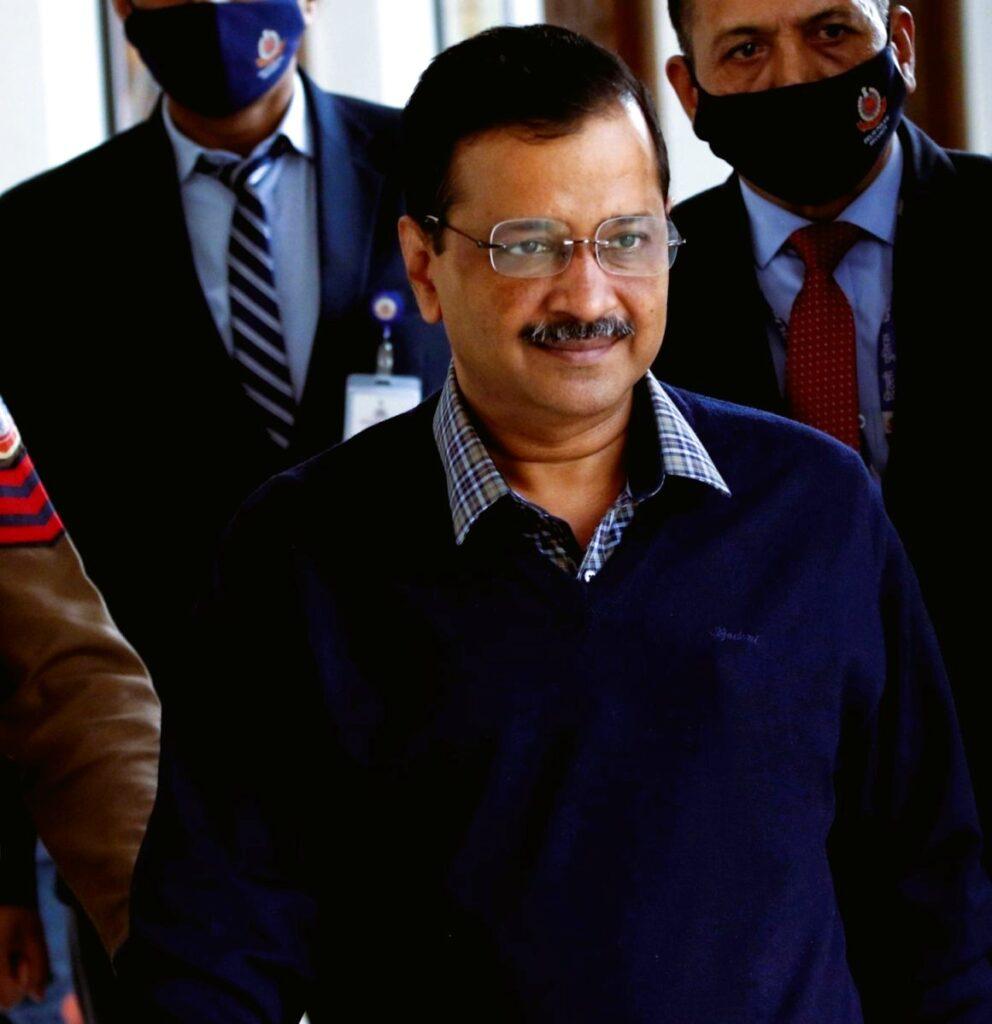
Arvind Kejriwal has intensified his attack on the Gujarat government by linking the ongoing farmers’ protest in Hadad to a larger public demand for political change in the state. During a visit to Rajkot, he met families of detained farmers, alleged police excesses during the agitation, and argued that the crackdown shows how the ruling Bharatiya Janata Party (BJP) is “afraid” of farmers raising their voices against the Karada (karda) system and unfair market practices.
Kejriwal’s charges over Hadad protest
Kejriwal said the Hadad agitation began as a peaceful protest against the Karada system, under which traders allegedly buy a portion of produce at the agreed rate and then depress prices on the remaining stock by citing quality issues. According to him, 88 farmers were arrested even though they had merely assembled to demand fair prices and better treatment, with no stone‑pelting initiated by protesters.
He highlighted Gujarat’s legacy of non‑violence under leaders like Mahatma Gandhi and Sardar Vallabhbhai Patel, arguing that filing serious criminal cases against small and marginal farmers violates that tradition. Kejriwal claimed that 42 of the 88 detained farmers have been released so far while 46 still remain behind bars, describing the charges as “fabricated” and politically motivated.
Meeting families in Rajkot
On his three‑day tour of Gujarat, the AAP chief met families of those arrested and farmers recently freed from jail, assuring them that his party would stand with them until every case is withdrawn. He accused the state government of using lathi‑charges, tear gas and harsh sections like attempt to murder to suppress what he called legitimate economic grievances.
Kejriwal honoured released farmers at a gathering, saying their struggle was not just personal but symbolic of every cultivator seeking dignity and fair returns for crops in Gujarat. He announced that AAP has formed a panel of lawyers to fight the cases in court and pledged that no family would be left to deal with the legal battle alone.
Call for change in Gujarat
Framing the Hadad protest as a turning point, Kejriwal argued that anger against the BJP government is “deep and growing” across rural Gujarat. He told supporters that the crackdown on farmers would become the “last nail in the coffin” for the ruling party and predicted that the government would fall within two years if public sentiment continued shifting.In depth report read more here.
Kejriwal promised that, if voted to power, an AAP government would scrap all FIRs related to the Hadad agitation within 24 hours and initiate action against officials and ministers responsible for ordering the arrests. He said the movement has already given farmers the confidence that “truth cannot be imprisoned” and urged villagers to treat the upcoming elections as a referendum on how the state treats its farming community.
Farmers’ Protest issues at the core
Beyond the immediate arrests, AAP leaders have tried to keep attention focused on structural issues such as low crop prices, additional transportation costs imposed on farmers, and alleged manipulation at APMC yards. They argue that addressing these concerns through transparent procurement, fair grading systems and time‑bound payments would defuse tensions far more effectively than police action.
Farmer groups allied with the agitation say the Hadad episode has exposed a widening trust deficit between cultivators and the administration, especially in Saurashtra and surrounding regions. Many activists now see the protest not only as a fight for 88 arrested farmers but as part of a broader push to ensure that those who grow food are not punished for asking for justice.
For more exclusive Gujarat updates and top news, check out our latest Gujarat News section.