

Fatty liver/sbkinews.in
Fatty liver disease, a silent but escalating health problem worldwide, affects millions due to poor dietary choices and sedentary lifestyles. Dr. Saurabh Sethi, a gastroenterologist trained at prestigious institutions like AIIMS, Harvard, and Stanford, recently highlighted three common food items that significantly contribute to fatty liver disease and should be completely avoided to safeguard liver health.
What is Fatty Liver Disease?
Fatty liver disease, medically known as Non-Alcoholic Fatty Liver Disease (NAFLD), is a condition characterized by excessive fat accumulation in the liver, unrelated to alcohol consumption. If left unchecked, it can progress to scarring (cirrhosis), liver failure, and even liver cancer. Early stages often show no symptoms, making prevention through diet and lifestyle crucial.
The Three Foods to Avoid for Liver Health
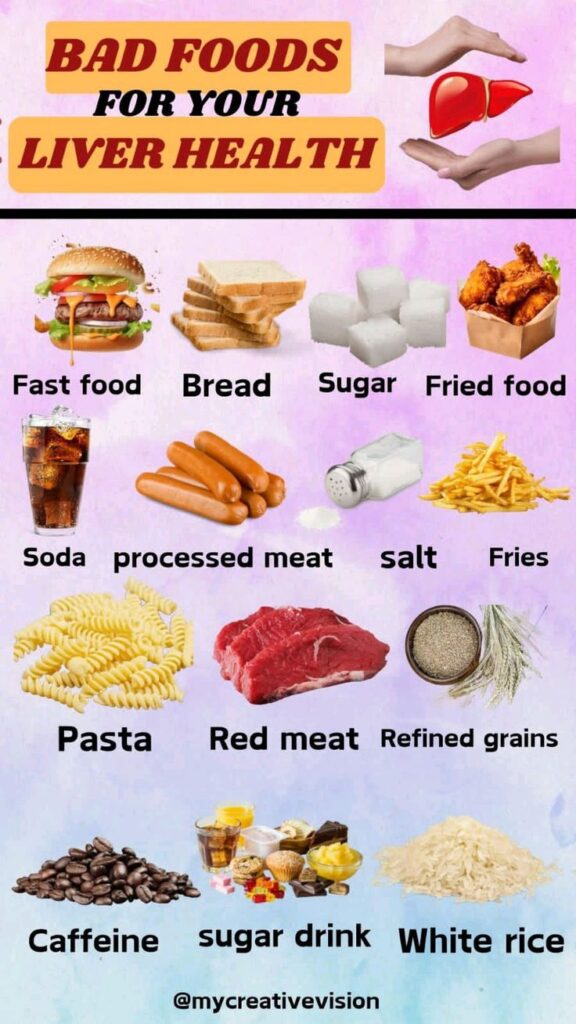
1. Sugary Drinks (Sodas and Juices)
Dr. Sethi terms sugary drinks “liquid poison” for the liver. This category includes sodas, fruit juices—even freshly packaged ones—and other sugar-laden beverages that contain high amounts of fructose. Unlike glucose, fructose is primarily metabolized by the liver, and excessive intake overwhelms liver functions, causing fat to accumulate. This can trigger insulin resistance and contribute to the development of NAFLD.
Studies confirm that drinks sweetened with high-fructose corn syrup are strongly linked with liver fat buildup. Dr. Sethi advises replacing these sugary drinks with healthier alternatives such as plain water, black coffee, black tea, or unsweetened green tea, all of which may have protective effects on the liver.
2. Deep-Fried Foods
Deep-fried foods rank second on Dr. Sethi’s list of harmful foods for the liver. These items are often cooked in unhealthy oils rich in trans fats and saturated fats, both known to promote fat storage in the liver and cause inflammation. Regular consumption contributes to obesity and worsens NAFLD.
He recommends avoiding fried snacks and fast food that use industrial oils. Instead, opting for foods cooked with healthier oils like olive oil or avocado oil can minimize liver damage while maintaining good fat intake essential for overall health.
3. Ultra-Processed Foods
The third category includes ultra-processed items such as chips, candies, sugary cereals, hot dogs, and instant noodles. These foods contain unhealthy fats, added sugars, preservatives, and artificial additives that stress the liver and disrupt gut microbiota, aggravating inflammation and fatty liver progression.
Dr. Sethi emphasizes minimizing intake of these processed foods, advocating instead for whole foods—fresh fruits, vegetables, whole grains, nuts, and lean proteins—for better liver function and metabolic health.
Foods That Support Liver Health
While avoiding harmful foods is crucial, Dr. Sethi also highlights the importance of incorporating liver-friendly foods rich in antioxidants and anti-inflammatory compounds, such as:
Black Coffee and Green Tea: These beverages have been shown to reduce liver inflammation and fibrosis risk.
Turmeric: Contains curcumin, a potent anti-inflammatory compound that supports liver detoxification.
Berries and Beets: High in antioxidants that protect liver cells and support metabolic function.
Nuts like Walnuts: Provide omega-3 fatty acids linked to reducing liver fat and inflammation.
Practical Tips for Preventing Fatty Liver
Dr. Sethi reiterates that simple dietary changes combined with lifestyle adjustments can drastically reduce fatty liver risk. Some key recommendations include:
Avoid all sugary beverages and foods high in added sugars.
Limit fried and processed foods.
Aim for a balanced diet rich in whole, unprocessed foods.
Drink plenty of water and incorporate antioxidant-rich beverages.
Maintain a healthy weight with regular exercise and avoid excessive alcohol.
Conclusion
Fatty liver disease poses a growing public health challenge, but proactive nutritional choices can prevent and even reverse its early stages. According to Dr. Saurabh Sethi, vigilance in avoiding sugary drinks, deep-fried items, and ultra-processed foods forms the cornerstone of liver preservation.
Switching to healthier alternatives and embracing a nutrient-dense diet not only protects the liver but also improves overall metabolic health, reducing the risk of diabetes, cardiovascular diseases, and other related conditions.
By making informed dietary decisions and following expert advice, individuals can significantly reduce the burden of fatty liver disease and lead healthier lives.
Disclaimer: This material is intended to provide information only and should not be used as a substitute for professional medical advice. Consult a healthcare professional for a diagnosis and treatment plan tailored to your specific needs.