
Huge Explosion Rocks Dubai's Palm Jumeirah After Iranian Strike
Massive blast at luxury island shakes UAE capital, sparks global fears of Middle East escalation amid rising Iran-Israel tensions.
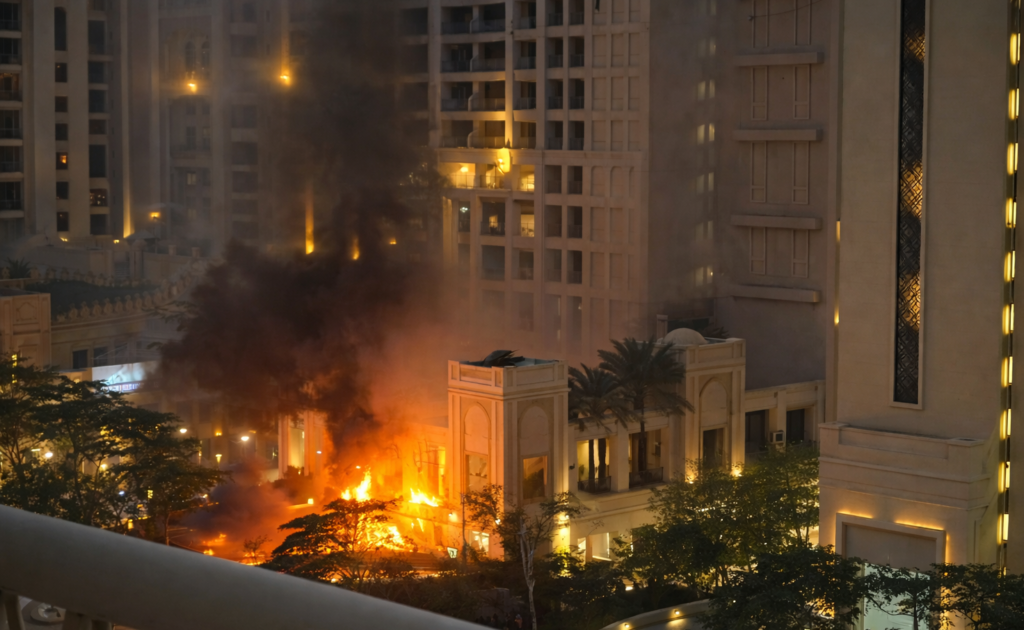
Fiery explosion engulfs Palm Jumeirah skyline in Dubai following reported Iranian missile strike, sending shockwaves across the region.
Incident Details: How the Strike Unfolded
The explosion occurred late Saturday when multiple projectiles, believed to be Iranian ballistic missiles, targeted the Palm Jumeirah’s central Atlantis resort area. UAE air defenses intercepted most incoming threats, but at least two struck the artificial island, causing a fireball visible from 50km away. Preliminary reports indicate the strike was retaliation for recent Israeli airstrikes on Iranian nuclear sites. Iranian state media claimed “precision hits on UAE military assets disguised as tourist hubs,” while Dubai police confirmed no immediate casualties but warned of structural damage to over 20 luxury properties. Rescue teams deployed drones for assessment, evacuating 5,000+ tourists amid power outages.
Official Quotes and Reactions
Iranian Revolutionary Guard spokesperson declared, “This surgical strike sends a thunderous message to Gulf enablers of Zionist aggression—expect more if provoked.” UAE Foreign Minister responded swiftly: “This cowardly assault on civilians will not go unanswered; we stand united with allies.” Dubai Ruler Sheikh Mohammed bin Rashid Al Maktoum urged calm: “Our resilient city will rise stronger from this fiery ordeal.”
Background and Regional Context
Palm Jumeirah, engineered as the world’s largest man-made island since 2001, symbolizes Dubai’s opulence with 6km of pristine beaches and USD 20 billion in developments. The strike fits into escalating Iran-UAE frictions, rooted in the UAE’s Abraham Accords normalization with Israel in 2020. Recent triggers include Iran’s proxy attacks via Houthis in Yemen disrupting 12% of global shipping, and UAE support for Saudi-led coalitions. Intelligence sources note Iran’s arsenal of 3,000+ missiles, upgraded post-2024 sanctions relief. Similar incidents—like the 2025 Abqaiq drone strikes—highlight vulnerabilities in Gulf tourism hubs, now economic lifelines contributing 30% to UAE GDP. Global markets dipped 2% at open, with oil spiking to $95/barrel.
Key Escalation Timeline:
Jan 2026: Israel hits Iranian centrifuges.
Feb 2026: Houthi missiles graze UAE ports.
Mar 1: Palm Jumeirah blast confirms direct Iran hit.
This context underscores how tourism paradises became flashpoints in proxy wars.
Aftermath and What’s Next
Damage assessments reveal cracked palm fronds and submerged villas, with repair costs projected at $500 million. UAE declared a 48-hour alert, scrambling F-35 jets alongside US forces from Al Dhafra base. International calls for de-escalation poured in: UN Secretary-General urged “immediate ceasefire,” while India evacuated 2,000 nationals. Tourism bookings plummeted 40%, threatening Dubai’s 2026 Expo recovery. Expect US carrier deployments, potential Saudi-Iran backchannels, and tightened Strait of Hormuz security. For travelers, flights resume Monday but with heightened checks. Dubai vows reconstruction within weeks, reaffirming its unbreakable spirit amid geopolitical storms.