
#Iran death penalty protesters#Iran death penalty protesters#Iran death penalty protesters#Iran death penalty protesters
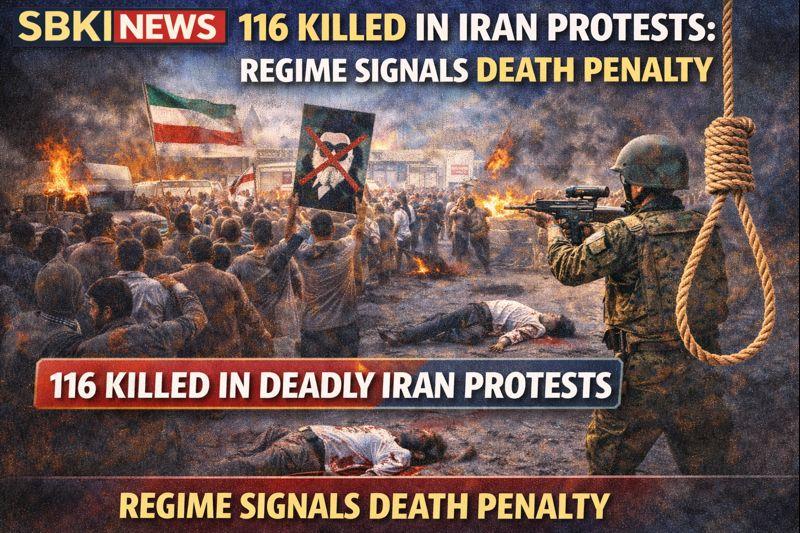
Iran Protests have escalated into a brutal confrontation, with security forces killing at least 116 demonstrators amid warnings of death penalties for participants. Iran’s attorney general has branded protesters “enemies of God,” intensifying a regime response that includes internet blackouts and mass arrests. This article details the crisis, drawing on verified reports for an authoritative overview.
Crisis Overview
Demonstrations erupted two weeks ago across all 31 provinces, initially sparked by economic collapse including hyperinflation and unemployment. Protesters chant “Death to the Dictator” and “Neither Gaza nor Lebanon, my life for Iran,” rejecting the Islamic regime’s rule since 1979. Security forces have deployed live ammunition, with eyewitnesses reporting hundreds injured in Tehran alone as crowds block roads and torch police vehicles.
The death toll stands at a confirmed 116, per human rights monitors, though unverified claims exceed 200 in Tehran. Over 2,300 arrests have occurred, targeting even those aiding “rioters.” Supreme Leader Ali Khamenei dismissed the unrest as vandalism to “please” US President Donald Trump, signaling no concessions.
Attorney General’s Dire Warning
On January 10, 2026, Attorney General Mohammad Movahedi Azad declared via state TV that protesters face charges carrying the death penalty under Iranian law. “Anyone participating in demonstrations will be considered an enemy of God,” he stated, extending liability to supporters. This echoes 2019 protests where similar rhetoric preceded executions.
Legal experts note this invokes Article 186 of Iran’s penal code, equating dissent with mohareb (waging war on God), punishable by hanging. Past crackdowns saw 1,500 killed in 2019; current tactics mirror that ferocity.
Escalating Violence Reports
Verified videos show security forces firing on crowds in Tehran neighborhoods after nightfall on January 10. Demonstrators regrouped, honking car horns in defiance during a near-total internet blackout since Thursday. In other cities, police vehicles burned as protests spread from economic grievances to regime overthrow demands.
Human Rights Activists News Agency (HRANA) reports 65 deaths in initial clashes, with the toll rising amid phone line cuts. Exiled Crown Prince Reza Pahlavi urged carrying pre-1979 flags to “claim public spaces,” boosting morale.
Regime’s Broader Strategy
Internet shutdowns aim to stifle coordination, a tactic used in prior unrest. Khamenei’s US reference ties protests to external foes amid Trump’s 2025 inauguration. State media frames demonstrators as foreign agents, justifying lethal force.
Economically, sanctions and mismanagement fuel outrage: inflation nears 50%, youth unemployment tops 40%. Protests remain largely peaceful despite vandalism of government sites.
International Reactions
The US condemned the crackdown, with State Department calls for restraint. Reza Pahlavi’s appeals gain traction among diaspora. UN human rights observers demand investigations, citing potential crimes against humanity.
Western media like BBC and Iran International verify footage, countering state denials. No official Iranian death toll released; opacity breeds distrust.
What Protesters Demand
Core chants reject theocracy: “Freedom” and anti-regime slogans dominate. Economic fixes alone insufficient; many seek secular governance. Youth lead, frustrated by corruption and isolation.
Potential Outcomes
History suggests short-term suppression but long-term erosion. 2022 protests lingered despite crackdowns. Trump’s policies may embolden dissenters viewing him as counterweight.
Risks include wider civil war if military splits. Regime loyalty holds, but economic woes persist.
Historical Context
Since 1979 Revolution, protests met force: 2009 Green Movement (hundreds killed), 2019 fuel riots (1,500 dead). Death penalty threats recur, with 576 executions in 2024 alone, per Amnesty.
Current unrest deadliest since 2022 Mahsa Amini death sparked nationwide fury.
Iran’s regime intensifies its iron-fisted response, with reports confirming 116 deaths from live fire in Tehran and beyond. Eyewitnesses describe security forces firing indiscriminately into crowds chanting for freedom, as black smoke rises from burning police vehicles. Internet blackouts persist, severing communication and amplifying fears of hidden atrocities.
Youth-Led Defiance
Young Iranians, facing 40% unemployment, spearhead the unrest. Social media clips—before shutdowns—show women unveiling in solidarity, echoing 2022’s Mahsa Amini protests. Reza Pahlavi’s call to reclaim streets with pre-revolution flags inspires nationwide coordination via car horns and graffiti.THE HINDUSTAN
Economic Triggers
Hyperinflation at 50% and subsidy cuts ignited fury. Protesters reject Khamenei’s narrative of foreign meddling, demanding systemic overthrow. Vandalized banks symbolize rage against corruption enriching elites.