Kidney Transplant Racket
Kanpur police investigation has uncovered a cross-state organ trafficking racket involving OT technicians, a fake surgeon, and a Ghaziabad-based mastermind allegedly conducting illegal kidney transplants for crores.
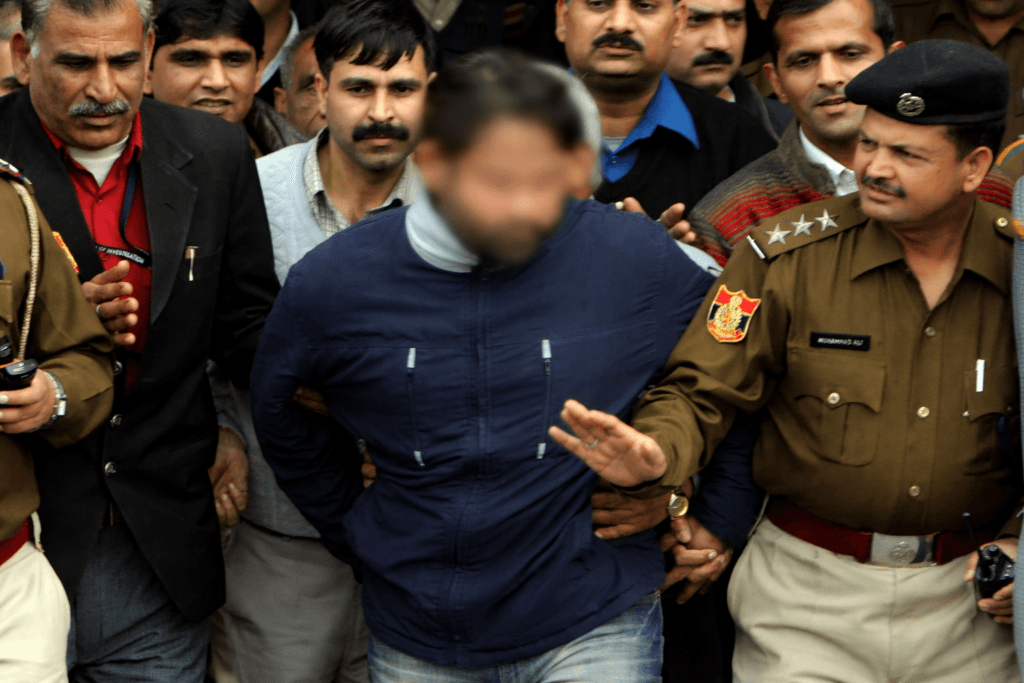
Kanpur police examine documents and medical records linked to the illegal kidney-transplant racket during their investigation into operations conducted at private hospitals in the city.
Illegal Transplant Racket Exposed
A major illegal kidney-transplant racket uncovered in Kanpur has revealed a disturbing network operating across multiple states. Police say the gang allegedly carried out illegal kidney transplants involving unqualified personnel, leading to the death of at least one woman.
Investigators believe the network was run by a man identified as Rohit, who lives in Ghaziabad. Despite residing there, Rohit frequently travelled to Kanpur to take part in surgeries. Police allege that he played a key role during transplant procedures, sometimes administering anesthesia despite not being a certified doctor.
During the probe, officials also discovered that a person widely referred to as “Doctor Ali” within the group was not a surgeon at all but an OT manager. The revelation has raised serious concerns about the misuse of hospital facilities and the lack of proper medical oversight.
How the Racket Operated
According to investigators, the illegal operations were not limited to one hospital. The gang reportedly used multiple medical facilities to carry out kidney transplants while presenting them as legitimate procedures.
Police say surgeries were conducted at Ahuja Nursing Home, Mandip Life Hospital, and possibly other locations connected to the network.
The alleged kingpin behind the operations was Muddasar Ali Siddiqui, an OT manager linked to Akash Hospital. Investigators say he worked closely with technicians from Ghaziabad and Noida to arrange the transplants.
The racket targeted financially vulnerable people willing to sell a kidney. Donors were reportedly promised between ₹4 lakh and ₹6 lakh. However, the recipient families were allegedly charged anywhere from ₹50 lakh to nearly ₹1 crore.
One such donor identified as Ayush, from Begusarai in Bihar, was allegedly recruited by the group and brought to Kanpur for surgery.
Death of a Woman Raises Serious Questions
During the investigation, police came across evidence suggesting that a woman patient died after undergoing a transplant linked to the same network.
According to statements given by technicians and information recovered from a mobile phone belonging to a suspect, the woman’s health deteriorated soon after surgery at Mandip Life Hospital in December. She was later shifted from Kanpur to a hospital in Delhi, where she reportedly died.
Police are now verifying hospital records, Aadhaar-linked data, and call records to identify the victim and determine whether more deaths or complications were linked to the illegal operations.
Mastermind Operated from Ghaziabad
Police say the main accused, Rohit, operated the network from Indirapuram. His Aadhaar details confirm his address there.
Investigators have also discovered flight bookings indicating he travelled regularly between Delhi and Kanpur to coordinate surgeries.
Officials now suspect the racket may have conducted 40 to 50 illegal transplants, some possibly involving foreign patients.
Police Statements
Speaking about the case, Raghuvir Lal said the investigation points to a well-organized network.
“This is not just a case of medical negligence. It appears to be a structured organ-trafficking racket operating across states. Our evidence suggests dozens of illegal transplants may have taken place,” he said.
Meanwhile, A.S.M. Kasim Abidi confirmed that technicians from Ghaziabad and Noida were brought in specifically for these surgeries.
“Their statements are helping us identify a larger network involving brokers, technicians and hospital staff,” he said.
Investigators have also revealed that the person known as “Doctor Ali” allegedly helped open bank accounts in donors’ names, which police suspect may have been used to move illegal money.
Arrests and Expanding Investigation
The case first came to light on March 30, 2026, after a kidney transplant performed at Ahuja Nursing Home raised suspicions.
The recipient was identified as Parul Tomar from Muzaffarnagar, while the donor was Ayush from Begusarai.
Following the discovery, police arrested several people including Surjit Singh Ahuja and Priyanka Ahuja, who were later sent to judicial custody along with others linked to the hospital.
Investigators are now examining possible connections with hospitals and technicians in Ghaziabad, Noida and Meerut.
Part of a Larger Pattern
The Kanpur case has once again exposed the dark side of the illegal organ trade in India. Similar rackets have surfaced in recent years, where poor donors are exploited and unregulated medical procedures lead to serious complications or deaths.
Authorities say the investigation is still ongoing and more arrests could follow as police trace financial transactions, hospital records and patient data linked to the network.