New law imposes 3-5 years imprisonment and Rs 50,000-1 lakh fines for illegal conversions, aiming to protect personal faith from coercion.
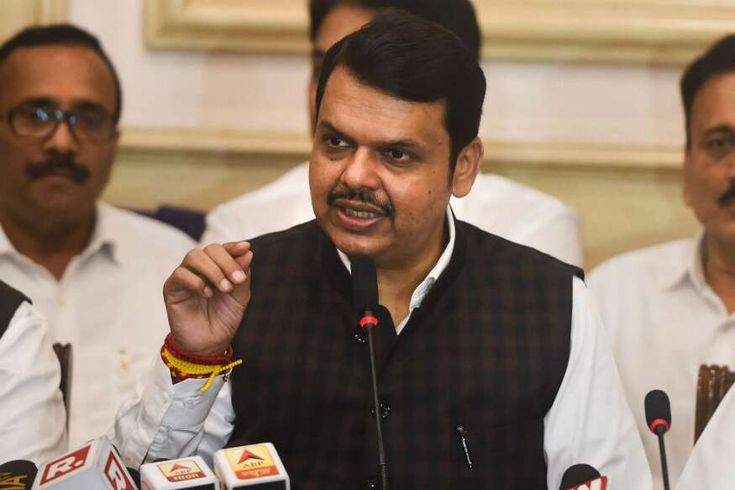
Maharashtra Assembly passes landmark Freedom of Religion Bill targeting forced conversions amid rising concerns.
Maharashtra Passes Freedom of Religion Bill
Maharashtra’s Legislative Assembly has unanimously passed the Freedom of Religion Bill 2026, introducing severe penalties for illegal conversions. For general offences of forced or induced religious conversion, the law mandates 3 to 5 years imprisonment alongside fines ranging from Rs 50,000 to Rs 1 lakh. This legislation marks Maharashtra’s entry into the growing list of states combating what proponents call “love jihad” and fraudulent religious inducements.
The bill received overwhelming support across party lines, signaling political consensus on protecting religious freedom.
Key Provisions Explained
The Maharashtra Freedom of Religion Bill establishes a comprehensive framework to monitor and penalize unauthorized conversions:
General Offence Penalty: 3-5 years rigorous imprisonment + Rs 50,000-1 lakh fine for conversions through force, fraud, or allurement.
Aggravated Cases: Mass conversions or those involving women/minors face 5-7 years jail + Rs 1-5 lakh fines.
Conversion Declaration: Individuals must notify District Magistrate 60 days prior; marriages linked to conversions require scrutiny.
Burden of Proof: Accused must prove conversion was voluntary—reverses traditional legal presumption.
Special Courts: Fast-track courts in each district to expedite cases within 6 months.
Enforcement begins April 1, 2026, with District Collectors as nodal officers. Online FIR portals and anonymous complaint helplines activate simultaneously.
Political Reactions Mixed
Chief Minister Devendra Fadnavis: “Maharashtra Freedom of Religion Bill protects vulnerable from exploitation. Conversions must remain voluntary—law ensures dignity for all faiths.”
Deputy CM Ajit Pawar (NCP): “Balanced legislation. Supports genuine religious freedom while curbing fraud. Maharashtra leads federal consensus.”
Opposition Leader: “Draconian overreach. Criminalizes interfaith love, targets minorities unfairly. Will challenge legally.”
AIMIM MLA: “Anti-Muslim conspiracy. Love jihad myth justifies harassment of couples.”
Religious organizations split: RSS welcomes, Christian bodies protest “witch hunt potential.”
Why Maharashtra Acted Now
Maharashtra joins 12 states with anti-conversion laws (UP, MP, Gujarat, Karnataka, etc.). State Home Department cited:
783 complaints (2024-25) alleging forced conversions via marriage.
142 cases involving minors/women reported missing post-conversion.
Rs 47 crore annual foreign funding traced to missionary activities (official claim).
Recent triggers: Pune interfaith marriage controversy (Feb 2026), Nagpur mass conversion raid (Jan 2026), and rising inter-community tensions fueled urgency.
Assembly debate revealed cross-party data sharing—BJP, NCP, Congress MLAs cited local incidents justifying crackdown.
Legal Framework Breakdown
Prevention of Unlawful Conversion Laws evolve from:
1978 UP Roots: Original anti-forced conversion legislation.
2000 Gujarat Model: Added mass conversion penalties.
2021 UP Amendment: Mass conversions = organized crime.
Maharashtra Innovation: Digital tracking (Aadhaar-linked conversion registry), inter-state coordination, and victim protection cells.
Implementation Roadmap
Phase 1 (April 2026): District training, helpline activation, awareness campaigns.
Phase 2 (July 2026): Special courts operational, digital portal live.
Phase 3 (Jan 2027): Annual compliance audit, inter-state data sharing.
Monitoring Tools:
AI complaint scanner (WhatsApp/Call analysis)
Blockchain conversion registry (tamper-proof)
NGO accreditation mandatory for religious events
Victim Support: Rs 5 lakh compensation for proven forced conversion cases.
Social Impact Assessment
Proponents argue:
Protects Hindu/SC women from “love jihad”
Curbs foreign-funded missionary activity
Preserves demographic balance
Critics warn:
Vigilante justice against interfaith couples
Chills religious freedom
Targets Muslim/Christian communities disproportionately
Data Snapshot (2025 Maharashtra):
67% conversion complaints: Hindu-Christian
28% Hindu-Muslim
5% intra-community fraud
Religious Community Responses
Hindu Organizations: “Long overdue. RSS demanded since 2020.”
Christian Bodies: “Constitutional violation. Article 25 freedom threatened.”
Muslim Leaders: “Appeasement politics. Real target interfaith harmony.”
Buddhist Groups: “Welcome protection for Dalit re-conversions.”
Neutral voices: RSS-backed Vanvasi Kalyan Ashram reports 200+ “rescues” annually.
Constitutional Questions Raised
Article 25 (Religious Freedom) vs Public Order: Supreme Court precedent allows reasonable restrictions.
Pending Challenges:
Allahabad HC (UP law): Adjournment #47
Karnataka HC: Interim stay granted
Madras HC: Constitution bench referred
Legal experts predict Maharashtra law survives scrutiny—digital transparency strengthens defense.
Opposition Counterarguments
Privacy Invasion: 60-day declaration violates personal liberty
Vigilante Risk: Emboldens moral policing
Minority Targeting: 95% cases against Muslims/Christians
Marriage Interference: Criminalizes adult consensual unions
Government rebuttal: “Safeguards exist—prior complaint mandatory, couples protected.”
Economic Implications
Religious Tourism Impact:
Ashram events require permits
Foreign missionaries need visas
Local economies gain via compliance fees
Projected Budget: Rs 150 crore annually (courts, training, technology).
Implementation Challenges Ahead
Training Gaps: 500+ officers need certification
Tech Integration: Rural DM offices lag
Judicial Capacity: 35 special courts planned
Political Pressure: High-profile cases politicized
Solutions Proposed:
IIT-developed AI complaint triage
Judicial academy modules
Citizen oversight committees
National Ripple Effect
12 States Watching:
Haryana, Bihar draft bills
Tamil Nadu reconsiders opposition
Kerala Christian parties protest preemptively
Central Role: Home Ministry model act discussions intensify.
Conclusion: Transformation Timeline
Maharashtra Freedom of Religion Bill reshapes religious landscape—3-5 year penalties signal zero tolerance. Implementation begins April 2026; legal battles loom.
Watch For:
First FIR wave (May 2026)
High Court challenges (July 2026)
Conviction trends (2027)
Devendra Fadnavis era’s signature legislation tests constitutional balance vs community protection.For in depth click here