
State Cooperation Minister Warns 210+ Mills May Stay Closed Next Season Due to Drought and Debt
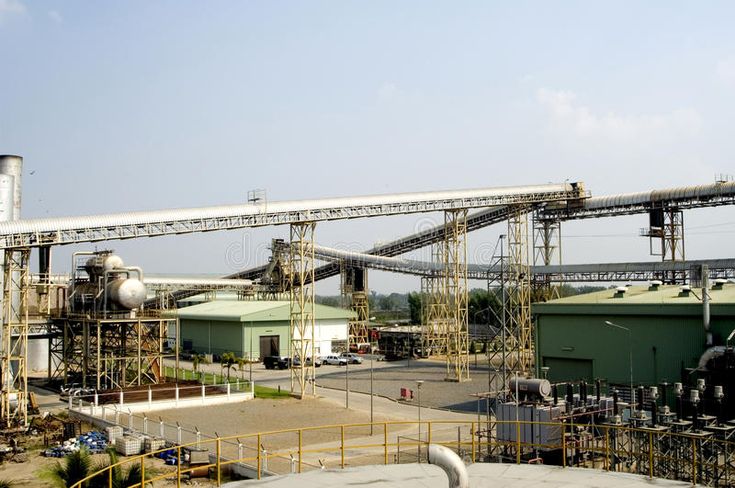
Maharashtra State Cooperation Minister Babasaheb Patil warns of massive sugar mill closures.
More than half of Maharashtra’s 210 operational sugar mills—103 cooperative and 107 private—could remain shuttered during the next crushing season due to anticipated sugarcane shortages and mounting financial stress, State Cooperation Minister Babasaheb Patil warned the Legislative Council on Tuesday. Patil pointed to drought-like conditions expected in the upcoming kharif season, which could drastically cut cane availability and exacerbate the sector’s woes.
Crisis Details: Cane Shortage and Debt Burden
Patil stated that the industry’s economics have become unsustainable, with cane prices rising 113% but sugar prices only climbing 81% over recent years. “The mismatch between cane and sugar prices is putting severe pressure on mills,” he said, noting many units have remained unprofitable for six years with MSP-based sales lingering past six months. Heavy investments in ethanol production have left mills heavily indebted, while weak market conditions for sugar and restrictions on ethanol sales are aggravating the domestic demand slump.
The minister highlighted that many mills have expanded heavily into ethanol, but multiple units are now recovering from losses. Of the 210 mills, most are struggling operationally, with Patil noting drought-like conditions could significantly reduce cane supply, threatening viability.
Minister Patil’s Stark Warning
“This mismatch between cane prices and sugar prices is putting severe pressure on mills,” Patil told legislators. He emphasized, “If these issues remain unaddressed, about half of the sugar mills may remain operational in the next crushing season.” Patil also pointed to farmer market irregularities and urged government intervention through the National Cooperative Development and Financial Support Corporation.
The minister noted many mills have expanded heavily into ethanol production, but costs have become prohibitive. “Weak demand for sugar and restrictions on ethanol sales are currently affecting the sector,” he added.
Maharashtra Sugar Sector’s Long-Declining Fortunes
Maharashtra, India’s largest sugarcane producer, has seen its sugar industry grapple with oversupply, delayed payments to farmers, and export barriers for years. The state hosts over 200 mills processing millions of tonnes annually, but recent seasons have brought record lows in profitability. Drought-like conditions in key growing regions like Solapur, Sangli, and Kolhapur have already slashed yields, while global sugar price volatility adds uncertainty.
Also Read: Maharashtra’s Non-Veg Forest Lodges: Revenue Crisis Sparks Wildlife Debate
Cooperative mills, which dominate the sector, face unique challenges including political interference and mismanagement. Private mills, meanwhile, struggle with high borrowing costs for ethanol diversification—a government push that promised relief but delivered debt. Patil’s intervention comes amid calls for state ethanol blending targets and union support to buoy the industry.
Government Response and Industry Pleas
Several mills currently lack cash flow to procure cane, Patil revealed, urging swift action. The state government has assured support through the Maharashtra State Cooperative Bank, but critics argue more aggressive measures—like ethanol price guarantees and export relaxations—are needed. Industry leaders have approached unions for relief, highlighting how domestic market weaknesses limit recovery.
Patil’s comments underscore a broader agrarian crisis: farmers face delayed payments, while mills battle viability. “To meet these payments, several sugar factories such as the National Cooperative Development and Financial Support Corporation are weak,” he noted, signaling systemic rot.
Potential Fallout: Economic Ripple Effects
A shutdown of over 100 mills would devastate rural economies, idling lakhs of workers during peak season and crippling ancillary units from transport to machinery repair. Sugarcane farmers, already reeling from low yields, could face payment delays stretching months. The sector contributes billions to Maharashtra’s GDP, with ethanol diversification meant to offset sugar slumps—but current restrictions have backfired. For in-depth report read here.
Environmental concerns loom too: idle mills mean reduced ethanol blending, slowing India’s green fuel transition. Patil’s forecast paints a grim picture for the 2026-27 season unless rains revive and policies pivot.
What Lies Ahead for Maharashtra’s Sugar Mills?
Immediate relief hinges on favorable monsoons and policy tweaks like relaxed ethanol curbs and MSP hikes. Patil indicated government plans to address union concerns, but stakeholders demand concrete timelines. If half the mills indeed close, it could trigger consolidations, mergers, or even farmer revolts. The industry watches nervously as kharif sowing nears, hoping nature and bureaucracy align to avert catastrophe.