
#Nepal Avalanche#Nepal News/sbkinews.in
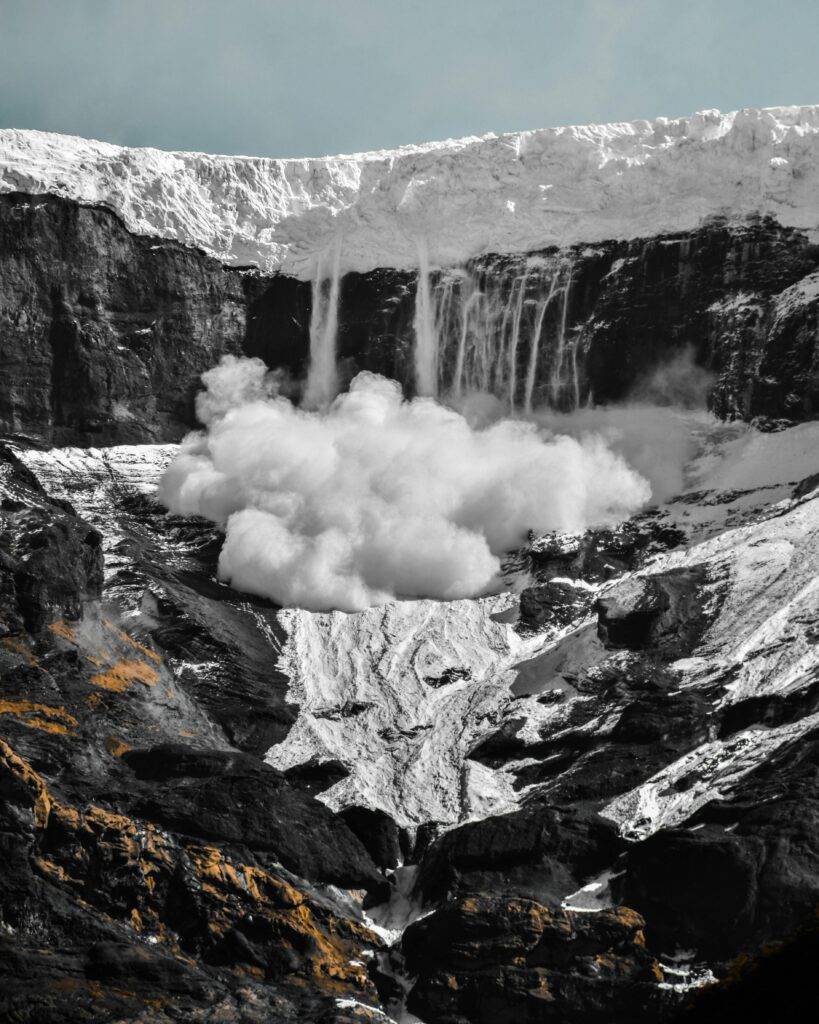
Kathmandu: Tragedy struck high in the Himalayas on Monday when an avalanche swept through the Yalung Ri peak region in northeastern Nepal, killing seven people, including foreign climbers. Four others were injured, and authorities confirmed that four individuals remain missing as rescue teams battle treacherous conditions to locate survivors. The deadly avalanche occurred at the base camp of the 5,630-metre-high Yalung Ri, nestled in the isolated Rolwaling Valley of the Dolakha district, Bagmati province.
Nepal’s rugged Himalayan ranges attract thousands of climbers every year, but they also remain one of the most unpredictable terrains in the world. Sudden snow movements, unstable slopes, and shifting weather patterns make climbing in this region both challenging and dangerous. The Yalung Ri incident once again underscores the risks that mountaineers face in pursuing their passion.
Voices from the Ground
Preliminary reports from local media, including The Kathmandu Post, indicate that among the deceased were several foreign nationals. Their nationalities have not yet been publicly confirmed as authorities continue to notify embassies and families. Local climbers and Sherpa guides were also among those affected.
According to Dolakha police officials, the avalanche struck around midday when the group was preparing for their ascent from the base camp. The massive cascade of snow, ice, and rock rolled down the steep slopes, catching everyone by surprise. Survivors described the terrifying few seconds when visibility dropped to zero, and tons of snow engulfed their tents.
Rescue helicopters from Nepal Army and private agencies were immediately dispatched from Kathmandu, but operations were hindered by poor weather conditions, limiting the visibility in the high-altitude terrain. By Tuesday morning, only partial rescue progress had been made. Search teams using drones and sniffer dogs continued to comb the area for the four missing climbers.
Rescue Operations and Government Response
Prime Minister Pushpa Kamal Dahal “Prachanda” expressed deep sorrow at the tragic loss of lives and instructed authorities to prioritize search and rescue efforts. The Home Ministry confirmed that emergency medical aid and supplies had been airlifted to Dolakha, along with trained rescue personnel accustomed to high-altitude operations.
Nepal Police spokesperson, Superintendent Kuber Kadayat, said the search and rescue mission would continue until all missing individuals were found. He added that the injured had been transported to the Tribhuvan University Teaching Hospital in Kathmandu for advanced treatment. Local villagers and mountaineering groups in the Rolwaling Valley have also joined hands with government rescuers, providing manpower, food, and logistical support.
Climbing Risks and Changing Climate
Experts point to changing weather patterns and melting snow layers as major contributors to the increasing frequency of avalanches in Nepal’s highlands. Meteorological data shows fluctuations in snowfall and temperature cycles, making ice strata weaker and more prone to collapse. The Yalung Ri avalanche follows several similar incidents across the Himalayas in recent years, raising concerns about mountaineering safety amid global climate change.
In October 2022, at least 26 people died in the Mustang district when heavy snowfall triggered a deadly avalanche. In other recent disasters, several climbers were struck on Mount Manaslu and Dhaulagiri, prompting authorities to emphasize stricter safety protocols and seasonal climbing bans during high-risk periods.
The Nepal Mountaineering Association (NMA) reiterated the need for climbers to coordinate closely with local guides and weather stations. The NMA President remarked that many accidents occur because of misjudged weather windows or overconfidence in early or late-season climbs.
Local Impact and Grieving Families
As news of the Yalung Ri tragedy spread, families gathered in Dolakha town awaiting updates on their loved ones. Officials have set up an information center to assist families and provide verified updates. Social media platforms were flooded with condolences from the global mountaineering community, expressing solidarity and grief.
Residents of Rolwaling Valley, many of whom depend on mountain tourism for their livelihood, expressed deep sadness but also determination to recover and support ongoing rescue activities. Local monks and villagers offered prayers and lighting ceremonies for those who lost their lives.
Looking Ahead
While Nepal continues to remain one of the world’s prime destinations for mountain adventure, incidents like the Yalung Ri avalanche highlight the need for better preparedness, technology-assisted weather forecasting, and mandatory safety training for high-altitude expeditions. With the climbing season bringing more expeditions in the coming weeks, mountaineering agencies have begun reviewing their safety guidelines.
Authorities have vowed to conduct a full investigation into the disaster and recommend improved coordination between climbing agencies, meteorological departments, and local administrations.
The tragic loss at Yalung Ri serves as a stark reminder that the beauty of the Himalayas comes with immense peril. Yet, for many climbers, the call of these majestic peaks remains irresistible—driven by courage, adventure, and the enduring spirit of exploration.Read more on The New York Times.
For more updates on global events and disasters, visit our World News section at SBKI News.