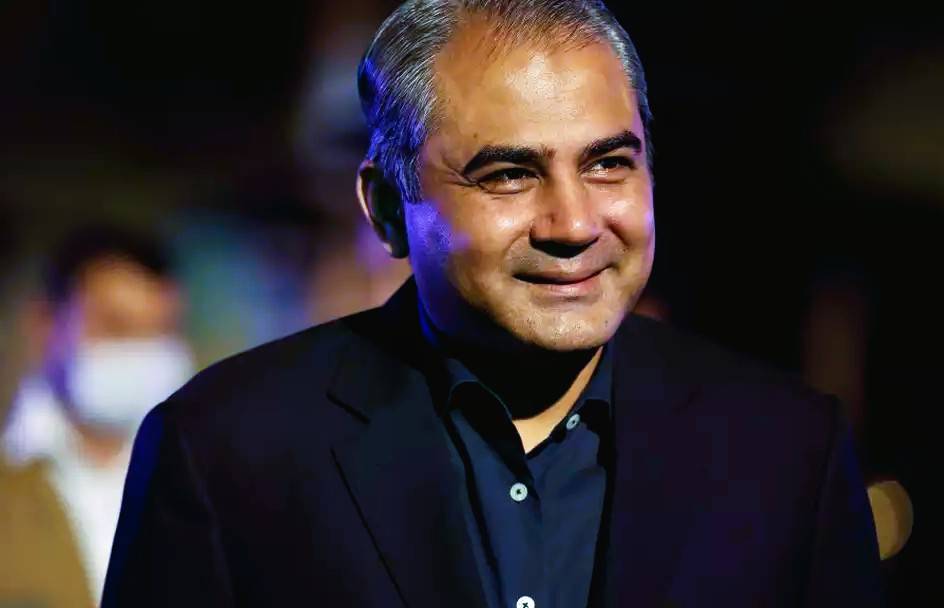
#PCB Chairman Mohsin Naqvi/sbkinews.in
Pakistan Cricket Board (PCB) Chairman Mohsin Naqvi is reportedly not attending the ongoing International Cricket Council (ICC) Executive Board meeting in Dubai due to pressing domestic political concerns. Sources within the board revealed that Naqvi’s official duties as Pakistan’s Home Minister have prevented him from travelling to the United Arab Emirates, where several key cricketing matters are being discussed—among them, the pending Asia Cup trophy handover that has stirred new controversies between India’s BCCI and Pakistan’s cricket leadership.
The four-day ICC congregation, which began on Tuesday, features top cricket administrators from across the member nations. The absence of Pakistan’s chairman, however, has sparked interest and criticism alike. The Board of Control for Cricket in India (BCCI) is expected to raise the long-standing issue regarding the Asia Cup 2023 trophy that remains locked in the Asian Cricket Council (ACC) headquarters in Dubai. According to officials, the trophy has yet to be formally handed over to India, which won the tournament held in September 2023.
The Asia Cup Controversy
The situation dates back to the heated days following India’s Asia Cup victory. Reports indicated that Pakistani officials allegedly refused to complete the trophy handover ceremony due to Chairman Naqvi’s remarks perceived as politically charged and anti-India in tone. The BCCI has since maintained that it seeks a clear resolution to what it calls a “matter of sporting respect and administrative responsibility.”
The ACC, under the presidency of BCCI Secretary Jay Shah, has repeatedly signaled its expectation that PCB fulfill its symbolic obligations surrounding the event. However, the strained bilateral cricket relations between India and Pakistan only complicate the otherwise procedural process. The Asia Cup trophy remains under lock and key in the ACC office, awaiting a neutral resolution between both boards.
Naqvi’s Absence and Political Commitments
Mohsin Naqvi’s dual responsibilities as both PCB Chairman and Federal Home Minister have limited his involvement in international cricket diplomacy. Ever since Jay Shah assumed the presidency of the International Cricket Council last year, Naqvi has reportedly skipped multiple ICC-related engagements. His absence at this week’s Dubai meeting underscores the ongoing tension between administrative priorities and Pakistan’s internal political climate.
A senior PCB source disclosed, “Chairman Naqvi is fully occupied with national security matters back home. It’s unfortunate timing, but the PCB delegation is well-prepared to represent Pakistan’s case.” To fill the leadership gap, PCB Chief Operating Officer Sumair Syed has already joined the CEOs’ meeting sessions and could represent Pakistan in the Executive Board meeting if Naqvi remains unavailable by November 7.
BCCI’s Expected Move at ICC Forum
At the ICC Executive Board, the BCCI delegation is reportedly considering tabling a formal discussion regarding the trophy retention and future Asia Cup hosting protocols. Cricket insiders in Dubai affirm that India seeks transparent accountability from ACC officials over why the trophy transfer has been delayed for over a year. Meanwhile, smaller cricket boards in Asia have expressed concerns that recurring disputes between BCCI and PCB may erode the credibility of the regional coordination mechanism.
Observers also note that Naqvi’s continued absence at major ICC forums weakens Pakistan’s influence in shaping global cricket policies. Topics like bilateral series scheduling, revenue-sharing reforms, and the 2027 Cricket World Cup preparation are on this meeting’s agenda—each affecting Pakistan’s long-term cricketing outlook.
Internal Reactions in Pakistan
Within Pakistan’s cricket circles, reactions remain mixed. Some board members believe Naqvi’s decision demonstrates a necessary focus on national priorities amid volatile political conditions. Others, however, argue that consistent non-participation in ICC events could isolate Pakistan’s voice in international cricket governance.
Former PCB official Rashid Latif commented, “Every ICC meeting represents an opportunity for Pakistan to defend its stance and shape future tournaments. Delegating repeatedly might project institutional weakness.” Yet, he conceded that given the current internal situation, administrative delegation was a pragmatic alternative.
Future Implications
If Naqvi ultimately misses this ICC summit, it could set a notable precedent for Pakistan’s engagement in future governance forums. The upcoming Asia Cup 2026 preparations, for instance, require strong coordination between ACC members. Analysts suggest that the continuing deadlock over the 2023 trophy will only compound tensions unless both boards find common ground rooted in sportsmanship and diplomacy.
Meanwhile, the ICC’s Administrative Board has maintained neutrality, insisting that the Asia Cup dispute remains a bilateral matter under the ACC’s auspices. Still, sources suggest that the ICC leadership prefers swift closure to the matter to prevent political spillover into future tournaments.
Sumair Syed’s attendance in Mohsin Naqvi’s place may ensure Pakistan’s representation but might not carry the same influence as a chairman-led presence. For now, all eyes remain on Dubai to see whether the PCB chair eventually makes a last-minute appearance or entrusts his team to navigate the turbulent meeting agenda alone.
As cricket diplomacy continues to intertwine with regional geopolitics, the Naqvi-BCCI standoff stands as a reminder that even sport’s grandest councils are not entirely immune to the forces of national politics.
For more inspiring and comprehensive updates on the latest in sports, including cricket and other major events, visit our detailed coverage here: Sports News.