
Philippines Earthquake/sbkinews.in
Manila, October 2025 — A powerful earthquake measuring magnitude 7.5 struck the Philippines early Friday morning, causing widespread alarm but fortunately resulting in no immediate reports of significant casualties or structural damage. Authorities swiftly issued a tsunami warning due to the quake’s epicenter offshore in the West Philippine Sea but later lifted the alert after thorough assessments indicated no tsunami threat.
Tremors Felt Across the Region
The earthquake shook several provinces including Palawan, Occidental Mindoro, and nearby coastal areas, rattling homes and prompting evacuations in vulnerable zones. Residents reported powerful shaking that lasted approximately 20 seconds, leading to a mix of anxiety and swift preparedness measures. The Philippine Institute of Volcanology and Seismology (PHIVOLCS) confirmed the quake’s magnitude was 7.5 with a depth of approximately 50 kilometers beneath the seabed.
The quake’s epicenter was located about 100 kilometers southwest of Puerto Princesa, Palawan, a region well accustomed to seismic activity due to its location along the Pacific Ring of Fire. Despite the strong magnitude, the depth and offshore location helped mitigate catastrophic surface impact.
Philippines Earthquake
Swift Government Response and Tsunami Alert
The National Disaster Risk Reduction and Management Council (NDRRMC) immediately activated its emergency response protocol, coordinating with local governments for rapid damage assessment and public safety measures. A tsunami warning covered the coastal areas of western and southern Luzon, northern Mindoro, Palawan, and parts of neighboring provinces.
The alert prompted authorities to advise coastal residents to evacuate to higher ground as a precaution. Schools, offices, and transportation services were temporarily suspended in the most affected areas to prioritize safety and streamline emergency operations.
Philippines Earthquake
Tsunami Warning Lifted After Evaluation
PHIVOLCS and international meteorological agencies continuously monitored sea level changes and oceanic data following the earthquake. Within approximately three hours, the agencies concluded that tsunami waves had not been generated or posed any imminent threat. Consequently, the NDRRMC officially lifted the tsunami warning, allowing displaced residents to return safely.
Officials continue to emphasize vigilance, noting that aftershocks can follow major seismic events and may require additional emergency measures. Continued monitoring and public awareness are critical components of the ongoing response.
Philippines Earthquake
Background: Philippines and Seismic Risks
The Philippines is part of the Pacific Ring of Fire, an area characterized by intense tectonic activity responsible for frequent earthquakes and volcanic eruptions. The country experiences thousands of earthquakes annually, though only a fraction cause measurable damage or casualties.
Historically, the Philippines has suffered from devastating earthquakes including the 1990 Luzon earthquake and the 2013 Bohol earthquake, both causing significant loss of life and infrastructure damage. These events have spurred the government to invest heavily in disaster preparedness, early warning systems, and resilient infrastructure.
Philippines Earthquake
Preparedness and Resilience Measures
In recent years, the Philippines has improved its disaster risk reduction strategies through community awareness campaigns, enhanced seismic monitoring, and international collaboration. Innovations include the implementation of smartphone apps for earthquake alerts, improved evacuation plans, and earthquake-resistant building codes.
Communities in high-risk zones regularly engage in earthquake drills and preparedness education to reduce casualties and infrastructure damage in future events. The successful management of warnings and quick lifting of the tsunami threat exemplifies these efforts.
Philippines Earthquake
Impact on Infrastructure and Economy
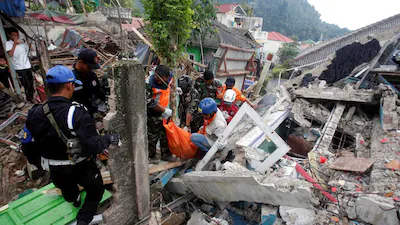
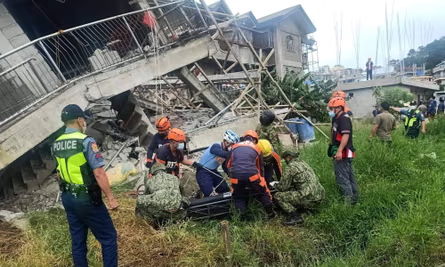
As of now, reports indicate minimal structural damage, with some minor cracks reported in older buildings and temporary power outages in several municipalities. Roads, bridges, and key transport hubs are under inspection but remain operational.
Experts warn that while this earthquake did not cause a disastrous tsunami, its economic ramifications may still surface as industries resume normal operations, especially in sectors like tourism and shipping dependent on coastal activities.
The government has pledged immediate assessment and support for any affected localities to fast-track recovery and ensure safety.
Philippines Earthquake
Regional and International Scientific Collaboration
The Philippines works closely with international seismic and oceanographic agencies, such as the United States Geological Survey (USGS) and the Pacific Tsunami Warning Center, to monitor seismic events and enhance predictive capabilities.
This collaboration has been critical in timely issuing warnings and preventing disasters, saving countless lives over the years. The recent earthquake response highlights the importance of global cooperation in disaster management.
Philippines Earthquake
Public Reaction and Social Media Response
Social media platforms observed a surge in posts from citizens sharing experiences, safety tips, and real-time updates during and after the quake. Many expressed relief following the announcement that the tsunami warning was lifted, praising government agencies for their swift and transparent communication.
The quake served as a reminder to individuals and institutions about the critical importance of disaster preparedness, especially in vulnerable regions.
Philippines Earthquake
Conclusion
The magnitude 7.5 earthquake in the Philippines serves as a stark reminder of the country’s vulnerability to natural disasters due to its geophysical setting. While the quick lifting of the tsunami warning averted potential catastrophe, it underscores the necessity of sustained disaster preparedness and resilient infrastructure.
PHIVOLCS, NDRRMC, and partner agencies continue to monitor the situation closely to safeguard public safety. As the country recovers and assesses any lingering impacts of the quake, the emphasis remains on education, technology, and international cooperation to mitigate future risks.
The event also highlights the real-time role of modern communication tools in disseminating critical information promptly, fostering a culture of safety and resilience among the Filipino people.