
Madrasati/sbkinews,in
Amman, Jordan – The Madrasati Initiative, a landmark educational reform program launched by the Jordanian government in partnership with international organizations, continues to make significant strides in expanding and enhancing education throughout the country. Established with a mission to improve the learning environment in public schools and increase access to quality education for all Jordanian children, the initiative has now expanded to cover more schools, benefiting thousands of students, teachers, and communities.
The initiative began as a response to the challenges faced by the public education system in Jordan, including overcrowded classrooms, inadequate infrastructure, outdated teaching methods, and limited resources. These factors contributed to diminished student engagement and learning outcomes, especially in underserved and rural areas. The Madrasati Initiative aims to transform these schools into vibrant centers of learning by investing in physical infrastructure, teacher training, student support services, and community engagement.
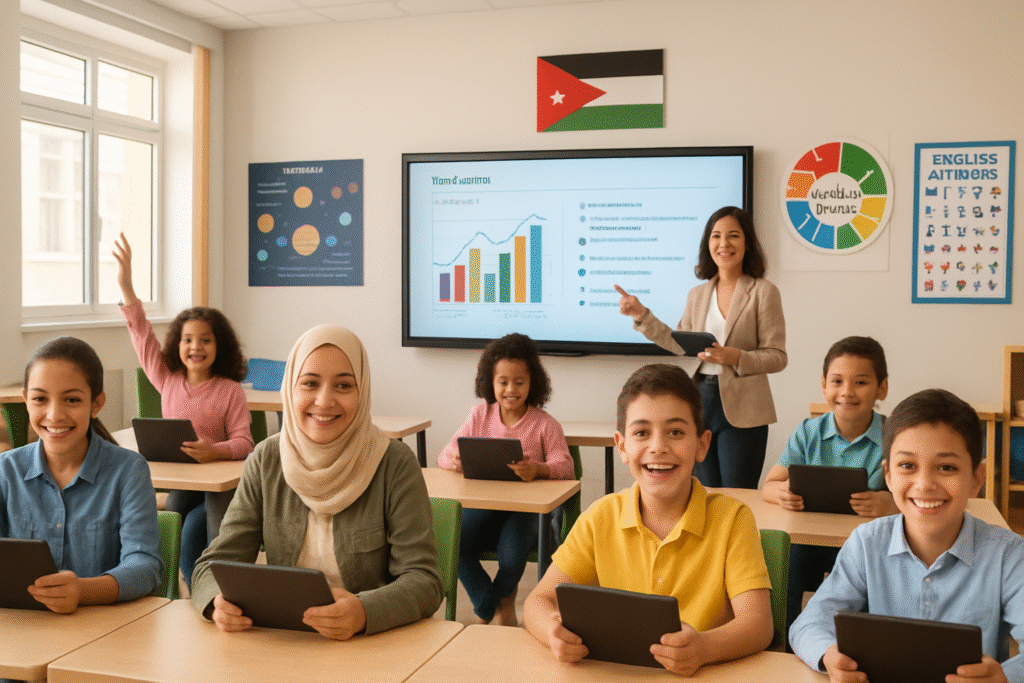
One of the initiative’s key pillars is modernizing the physical learning environment. Renovations and upgrades have been carried out in hundreds of schools, including classrooms, science and computer labs, libraries, and sports facilities. These improvements have created safer, more stimulating spaces for students to learn and grow. The addition of technology in classrooms has also enabled access to digital educational resources, bridging the gap between traditional and modern pedagogy.
Another core component is enhancing teacher capacity through comprehensive professional development programs. Teachers from participating schools undergo training on interactive teaching techniques, effective classroom management, and subject knowledge enhancement. The emphasis is on student-centered learning, critical thinking, and creativity to foster a new generation of learners equipped for the 21st century. Follow-up support ensures that teachers can implement what they have learned effectively.
Madrasati also focuses on inclusive education to ensure that children with disabilities and special needs receive appropriate support. Customized learning plans and the provision of specialized equipment have made schools more accessible and welcoming. Counseling and psychosocial services are provided to address barriers that may impede student success, such as emotional challenges or family difficulties.
Community involvement plays a vital role in the initiative’s success. The program encourages the formation of parent-teacher associations and local committees to actively participate in school governance and decision-making. This collaborative approach has increased accountability and helped tailor educational services to meet community needs. Parents report higher satisfaction and greater engagement in their children’s education as a result.
Since its launch, the Madrasati Initiative has impacted over 650 schools across Jordan, directly benefiting approximately 500,000 students and 20,000 teachers. The government plans to continue scaling up the program nationwide and has allocated substantial resources to sustain its momentum. International partners, including UNICEF, the World Bank, and the European Union, have provided financial and technical support, recognizing Madrasati as a model for educational reform in the region.
Madrasati’s positive impact is evident in improved student attendance, higher academic achievement, and more engaged teachers. Schools that underwent renovation show reduced dropout rates and higher retention of both students and staff. Teachers report increased job satisfaction and motivation. The program has also contributed to greater gender parity in education, encouraging girls to stay in school longer.
Challenges remain, particularly in remote and conflict-affected areas where infrastructure and security issues persist. However, the continued commitment of the Jordanian government and its partners signals hope for overcoming these obstacles. Efforts are underway to integrate innovative approaches, such as distance learning and vocational training, to meet the evolving needs of Jordanian youth.
Education experts have lauded the Madrasati Initiative as a comprehensive and inclusive approach that addresses the multifaceted nature of educational challenges. Its focus on both physical resources and human capital development sets it apart from traditional isolated interventions. By prioritizing student well-being and community empowerment, Madrasati embodies a sustainable model for long-term educational transformation.
This bold initiative contributes not only to individual student success but also to Jordan’s broader socio-economic development. Quality education is widely recognized as a key driver of economic growth, social cohesion, and democratic participation. The investment in schools today lays the foundation for a skilled and informed citizenry that will shape Jordan’s future.
As the Madrasati Initiative expands its reach, it continues to inspire hope among Jordanian families and educators. Its holistic vision for education reform offers a promising pathway towards ensuring that every child in Jordan has the opportunity to receive a quality education in a safe, supportive, and enriching environment.
For sbkinews.in, reporting from Amman, Jordan – this is a story of progress that resonates far beyond the classroom walls, illuminating the vital role education plays in nurturing the next generation and building resilient communities.