
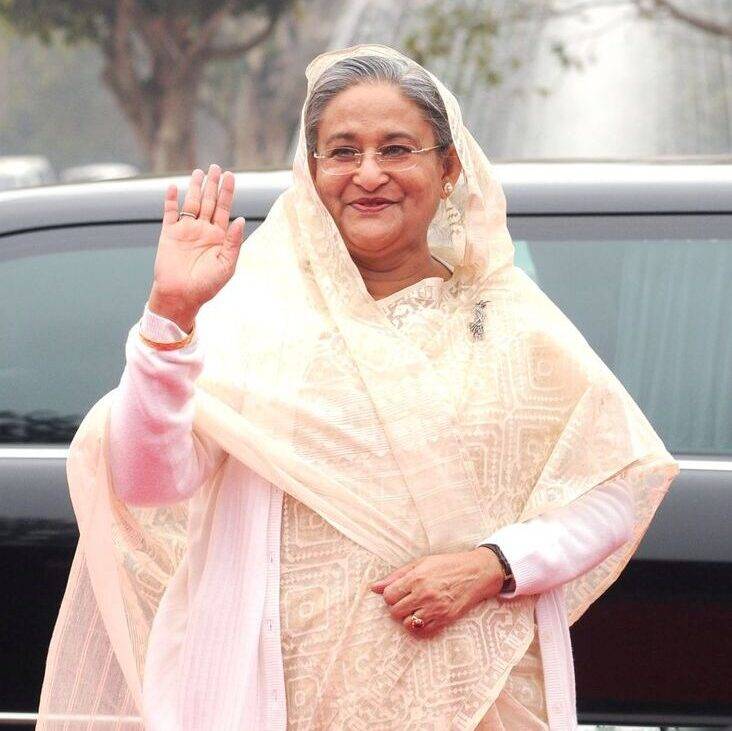
The International Crimes Tribunal (ICT) in Bangladesh has announced that it will deliver its verdict in the high-profile case against former Prime Minister Sheikh Hasina on November 17. Hasina faces serious charges, including crimes against humanity and murder, which have sparked nationwide attention and political unrest. The tribunal’s decision is expected to have far-reaching consequences for Bangladesh’s political landscape and the future of the Awami League.
Background of the Case
Sheikh Hasina, a towering figure in Bangladeshi politics and former Prime Minister, has been at the center of controversy for several years. The ICT, established to address war crimes and crimes against humanity committed during the country’s independence movement, has accused Hasina of involvement in grave offenses. The specific charges include orchestrating violence and murder during periods of political turmoil.
The case has drawn international scrutiny, with human rights organizations and legal experts monitoring the proceedings closely. The tribunal’s verdict is seen as a pivotal moment for justice and accountability in Bangladesh, especially given Hasina’s influence and the Awami League’s role in the country’s governance.
Nationwide Shutdown and Protests
In anticipation of the verdict, the Awami League called for a nationwide shutdown on Thursday, leading to widespread protests and disruptions across the country. The shutdown has affected normal life, with businesses, schools, and transportation services coming to a halt in major cities, including Dhaka. The political party’s leaders have been using internet media to mobilize supporters, as the interim government has banned the activities of the Awami League and its affiliated organizations.
Security forces, including the army and police, have been deployed at airports, government buildings, and other key installations to maintain order. The heightened security presence reflects the government’s concern over potential unrest and violence in the aftermath of the verdict.
#Sheikh Hasina verdict#Awami League shutdown/sbkinews.in
Political and Social Impact
The ICT’s decision is expected to have significant political and social ramifications. For supporters of Sheikh Hasina, the verdict could either vindicate her or deepen existing divisions within the country. For critics, it represents a long-awaited opportunity for justice and accountability.
The nationwide shutdown and protests highlight the deep polarization within Bangladeshi society. The Awami League’s call for a shutdown has been met with both support and opposition, with some citizens expressing frustration over the disruption to daily life. Others see the protests as a necessary expression of political dissent.
International Reactions
The case has also attracted international attention, with foreign governments and human rights organizations closely monitoring the situation. The verdict is expected to influence Bangladesh’s diplomatic relations and its standing in the global community. Legal experts have emphasized the importance of a fair and transparent trial, noting that the outcome could set a precedent for future cases involving political leaders.
#Sheikh Hasina verdict#Awami League shutdown/sbkinews.in
Judiciary at a Crossroads: Justice and Democracy in Focus
The anticipation surrounding the verdict has also reignited debates about the independence and impartiality of Bangladesh’s judiciary. Many legal analysts stress that the tribunal’s decision must be seen as a reflection of the rule of law, rather than a tool for political retribution. The outcome could set a precedent for how future cases involving high-profile political figures are handled, influencing public trust in the justice system.
Civil society groups have called for transparency and due process, warning that any perceived bias or lack of fairness could further deepen the country’s political divide. As Bangladesh stands at a crossroads, the verdict is not just about one individual, but about the broader principles of justice, accountability, and the future direction of the nation’s democracy.
What’s Next?
As the country awaits the tribunal’s verdict, tensions remain high. The interim government has urged calm and called for peaceful protests, while security forces remain on high alert. The verdict on November 17 is likely to be a defining moment for Bangladesh’s political future, with implications for justice, democracy, and social stability.
For more updates on this developing story and other world news, visit our World News Section.