
#Ship Attack#Attack on Ship fromIndia to South Africa/sbkinews.in
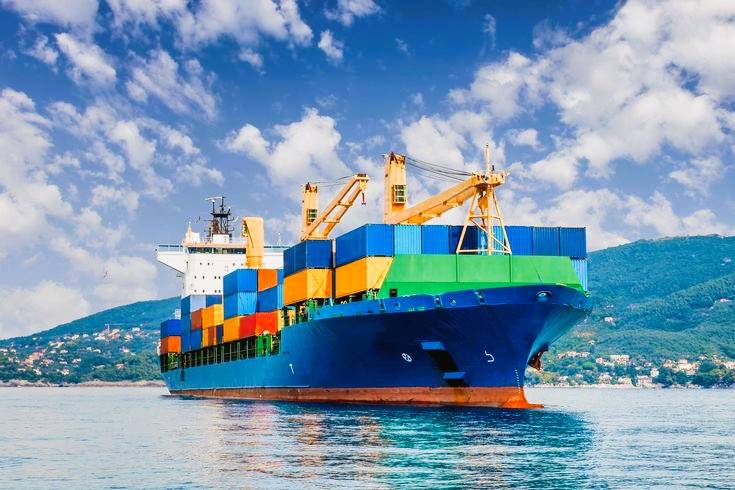
The maritime industry was shaken Thursday following an alarming attack on a cargo vessel traveling from India to South Africa. The incident occurred off the coast of Somalia, a region historically known for pirate activity, reigniting fears of renewed threats from Somali pirate groups.
According to reports from the United Kingdom Maritime Trade Operations (UKMTO) centre based in Dubai, the vessel came under fire from machine guns and rocket-propelled grenades while navigating through the Arabian Sea toward the Horn of Africa. The alert issued by the British military’s maritime monitoring unit warned other merchant vessels in the vicinity to maintain heightened vigilance and take evasive measures if necessary.
The Attack and Immediate Response
Eyewitnesses aboard nearby ships reported hearing bursts of automatic weapon fire followed by explosions, believed to be from rocket-propelled grenades aimed at the vessel. The crew activated emergency protocols, sending distress signals to nearby ships and coastal authorities.
The attackers approached in speedboats—a tactic commonly associated with Somali pirates operating in the Gulf of Aden and Indian Ocean corridor for over a decade. Prompt communications with naval coordination centers in the region reportedly resulted in a rapid response by international naval forces deployed to secure key shipping lanes.
Fortunately, no casualties have been confirmed so far, and the crew managed to bring the situation under partial control until assistance arrived. The identity and ownership details of the targeted vessel have not been publicly disclosed due to ongoing investigations.
Maritime Security Revisited
This attack comes at a time when international shipping has largely recovered from the major Somali piracy wave that struck terror across global trade routes between 2008 and 2012. The area near the Somali coast—and particularly the trade route from the Indian subcontinent to Africa—remains a significant link for the global movement of goods such as chemicals, machinery, and raw materials.
Experts have long cautioned that piracy networks could resurface, fueled by unstable political and economic conditions in coastal Somalia. Maritime analyst Ranjit Kaur, based in Singapore, said, “This attack highlights that the threat in East African waters never truly disappeared—it was only subdued by international crackdown efforts.”
International Response and Possible Motives
The Indian Navy and the Combined Maritime Forces (CMF), a multinational naval partnership that includes the United States and European allies, have increased aerial surveillance and surface patrols following the alert. While no group has claimed responsibility for the attack, early intelligence assessments suggest it fits the operational profile of Somali pirate cells who often target commercial vessels for ransom.
The attack’s location also intersects critical shipping lanes used by oil tankers and bulk carriers—a sector already facing pressure from Red Sea conflicts and ongoing geopolitical tensions affecting maritime insurance rates. A renewed wave of piracy in the region could elevate shipping costs, disrupt schedules, and impact the overall economics of Indian Ocean trade routes.
Statements from Authorities
A spokesperson for the UKMTO confirmed the incident and described it as “a serious maritime security concern requiring coordinated response.” The Indian Ministry of External Affairs said it was monitoring the situation closely in coordination with the Directorate General of Shipping and international partners.
Maritime security officials in South Africa also expressed concern, stating that such attacks not only threaten trade but also endanger lives and increase the burden on an already strained naval monitoring system.
Call for Stronger Naval Coordination
Security analysts argue that Friday’s incident underscores the necessity of sustained international collaboration to monitor high-risk shipping corridors stretching from the Arabian Sea to the Mozambique Channel. Naval coordination centres are likely to review escort protocols and recommend renewed cooperation through joint exercises.
Experts also stress the importance of technological support, such as advanced radar surveillance, satellite tracking, and deployment of armed security personnel on board high-value vessels transiting through volatile waters.
“While pirate incidents have declined since 2015, their capacity for surprise attacks remains potent,” emphasized maritime expert Capt. Tariq Hassan. “This attack should serve as a wake-up call for all maritime nations relying on African trade routes.”
Economic Impact and Future Precautions
India’s trade with South Africa and other African nations involves substantial cargo transport by sea, covering petroleum products, chemicals, and manufactured goods. Any disruption along these routes directly impacts bilateral trade volumes and insurance premiums for shipping companies.
Ports across India, particularly Mumbai, Kochi, and Chennai, have already begun reviewing vessel security alerts and advising operators to adopt risk mitigation measures before departing for African destinations.
As the investigation continues, international naval forces are expected to maintain an enhanced presence in the Western Indian Ocean. While piracy had subsided over recent years, the latest assault reveals that maritime threats are cyclical and demand continuous vigilance to secure global commerce and sailor safety.
To stay informed about ongoing developments in international maritime security and related attacks, check our detailed reports in the World News section.