Imagine a snowy paradise in the heart of Rajasthan’s scorching deserts – that’s Kishangarh Dumping Yard for you. Dubbed the “Switzerland of Rajasthan” and “Moonland of Rajasthaan,” this Asia’s largest marble dumping yard near Ajmer has exploded as a must-visit spot for Instagram reels, Bollywood shoots, and adventure seekers. But beneath its ethereal white hills and turquoise pools lurks a toxic reality from decades of industrial waste. As Rajasthan’s Marble City churns out global exports, this dumping ground reveals the stark clash between breathtaking visuals and hidden health dangers. Stay updated on: Rajasthan News Section.
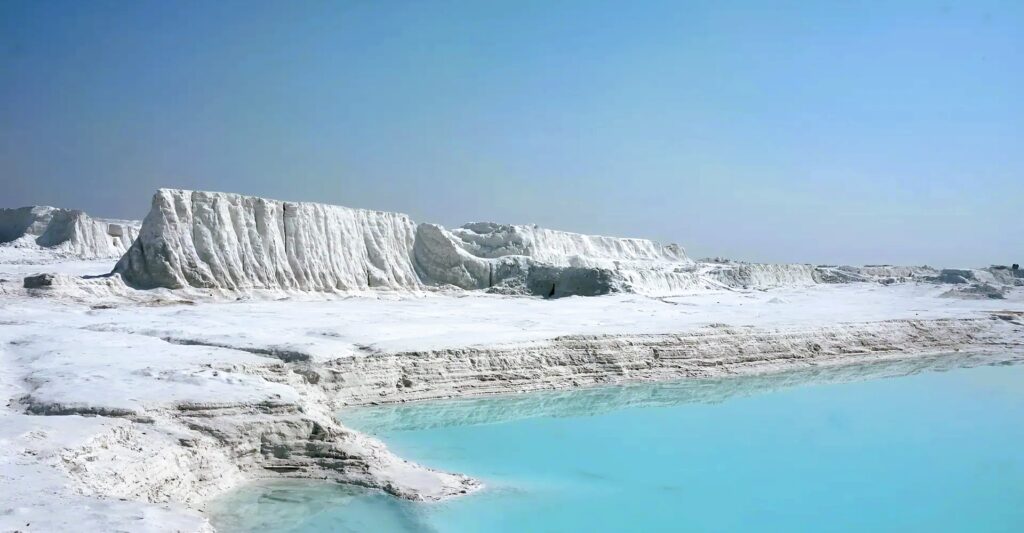
Kishangarh, often called India’s Marble Capital, has dumped thousands of tonnes of marble slurry over years, creating artificial white mountains that mimic Swiss Alps. Rainwater pooling in cracks forms vivid blue lakes, turning industrial trash into a surreal landscape. No wonder it’s gone viral! Tourists worldwide flock here for low-cost, dramatic backdrops – perfect for fashion shoots, weddings, and sunset selfies.
Bollywood’s Favorite Filming Spot
This unconventional site has starred in major Bollywood hits, skyrocketing its fame. Films like Kis Kisko Pyaar Karoon (2015), Dabangg 3 (2019) with Salman Khan and Sonakshi Sinha in “Yu Karke,” Baaghi 3 (2020) featuring Tiger Shroff and Shraddha Kapoor in “Dus Bahane 2.0,” and Thar (2022) captured its otherworldly vibe. Music videos such as Nora Fatehi’s “Chhor Denge” and Yo Yo Honey Singh’s “Saiyaan Ji” further amplified its allure. These shoots drew millions of views, transforming a waste dump into Rajasthan’s trending travel gem. Viral Instagram videos now showcase drone shots of the “snowy” dunes, pulling in influencers and families alike.
Environmental Toll Exposed
The Kishangarh Dumping Yard spans over 50 km radius, swallowing thousands of trucks of marble slurry daily – that’s a truck every 10 minutes during peak hours. This waste, rich in calcium carbonate and chemicals, smothers farmland, spikes soil infertility, and contaminates air with fine particles under 75 micrometres, fueling silicosis and respiratory crises in locals. Recent NGT orders (2026) slam unscientific dumping, with slurry exports to Gujarat barely denting the pile. As Rajasthan’s marble hub booms with 1,200+ units employing 25,000, urgent slurry-to-tile recycling and tree-planting drives lag behind tourism hype .
Practical Tips for Your Visit
Planning a trip? Entry is free from 10 AM to 5 PM, but time it right: early mornings before 11 AM or evenings from 4 PM for golden-hour magic and epic sunsets. It’s easily accessible from Ajmer (about 50 km away), making it a budget-friendly day trip. Pair it with Rajasthan’s royal forts for a full itinerary – travel the state in under Rs 20,000 as per popular guides.
Yet, beauty has a catch. The site’s marble dust – particles finer than 75 micrometres – poses serious risks.
Hidden Health and Environmental Hazards
Don’t let the allure fool you; this “snow” is toxic dust. Respiratory issues top the list: inhaling fine marble slurry can trigger breathing difficulties, especially for asthma patients or kids. Experts urge wearing N95 masks and limiting stays to under an hour.
The blue pools? Highly contaminated with chemicals – avoid touching to prevent skin irritation or allergies. A Central University of Rajasthan study sounds the alarm: no vegetation grows here, and groundwater within 6 km has Total Dissolved Solids (TDS) up to 10 times the safe limit, laced with fluoride and heavy metals. This pollution threatens local farms, wildlife, and communities, highlighting Rajasthan’s marble industry’s environmental toll. Dive deeper into the full story here.
Local activists push for cleanup, but tourism booms unchecked. Visitors report coughs post-visit, underscoring the need for awareness.
#Switzerland of Rajasthan/sbkinews.in
Why It Matters: Beauty vs. Reality
Kishangarh Dumping Yard exemplifies eco-tourism’s double edge – a low-cost wonder drawing global eyes while exposing industrial neglect. As Rajasthan promotes sustainable travel, sites like this demand responsible tourism: no littering, stick to paths, and support green initiatives.
For SEO-savvy travelers and news enthusiasts, this spot blends adventure with cautionary tales. Experience the “Switzerland of Rajasthan” responsibly – your health (and the planet’s) depends on it.