
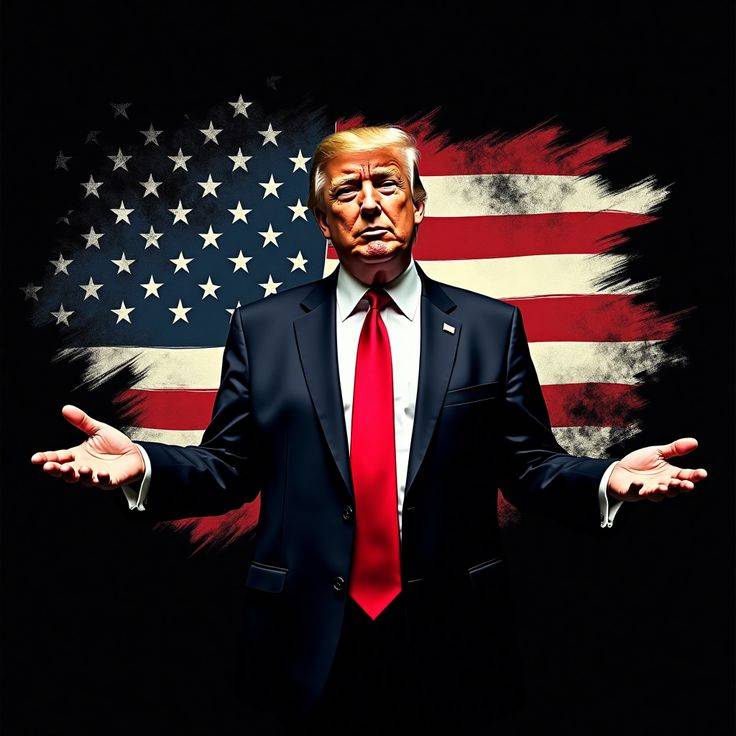
Washington: In a major economic turning point, President Donald Trump has announced a significant reduction in import tariffs on several essential commodities as inflation continues to trouble American households. The move, viewed as another policy reversal from his administration’s earlier trade stance, aims to curb surging consumer prices that have sparked widespread dissatisfaction across the United States. {Trump Reduces US Tariffs}
The executive order signed by President Trump exempts more than 200 imported food products, including coffee, tomatoes, bananas, and beef, from previously imposed tariffs. This decision, according to trade experts, could bring temporary relief to consumers while reshaping international trade flows—particularly benefiting export-driven economies such as India.
India Set to Gain from Tariff Cuts
With the United States lifting tariffs on tropical food items, India stands among the countries best poised to profit. Indian exports of mangoes, pomegranates, tea, and spices are expected to see an upward trend. The move comes at a time when American importers are seeking reliable suppliers at competitive rates amid high domestic costs.
According to the Indian Commerce Ministry, the U.S. remains one of India’s top agricultural export destinations. The easing of import duties could open new market opportunities for Indian farmers and exporters, helping diversify trade relationships and strengthen economic ties with Washington.
“India’s agricultural exporters have long been lobbying for tariff relaxations on tropical fruits and processed foods,” said a senior trade analyst in New Delhi. “This policy shift could mark a fresh phase in India-US trade relations, especially if accompanied by stable currency and logistics conditions.”
#Trump Reduces US Tariffs#U.S.-India trade relations/sbkinews.in
Partial Relief on Commodities
However, the Trump administration is maintaining a selective approach. The White House confirmed that a 17 percent tariff will remain on tomatoes from Mexico, one of the largest suppliers of U.S. imports. This partial exemption reflects a calibrated effort to balance domestic farmer interests with inflation control.
The revised order effectively removes certain items from the “reciprocal tariff system,” under which duties ranged from 10 to 50 percent. While major food categories such as tropical fruits, tea, and spices are fully exempted, some agricultural goods tied to domestic politics will continue to attract import levies. Officials described this as a “targeted, consumer-first” tariff plan meant to reduce price pressures without undermining local producers.
Generic Medicine Tariffs Also Lifted
This is not the first time Trump has taken a sudden economic U-turn. Earlier this month, his administration scrapped tariffs on generic medicines — a category where India contributes nearly 47 percent of all U.S. supply. Pharmaceutical companies welcomed the relief, calling it “vital for healthcare affordability and supply chain stability.”
Economists view these decisions as part of Trump’s strategy to control inflation while retaining political support from key trade partners and American consumers. With inflation hovering near multi-year highs, lower import costs could help stabilize prices in food and healthcare sectors ahead of upcoming political milestones.
The BBC Lawsuit Controversy
Adding to the week’s headlines, President Trump announced he would sue the British Broadcasting Corporation (BBC) for $5 billion in damages. The allegation stems from claims that the broadcaster deliberately edited his January 6, 2021, speech in a documentary aired in 2024, presenting him as complicit in the U.S. Capitol attack.
The BBC has since issued two public apologies, and two senior officials have resigned over the controversy. Despite this, Trump maintains that the editing was an act of “political sabotage” that tarnished his image during his campaign for a second presidential term.
Legal experts suggest the lawsuit could become a complex international defamation case, potentially testing the limits of U.K.–U.S. media regulations. While the network acknowledges an editorial oversight, it has not accepted full liability for intentional misrepresentation.
Economic Impact and Political Implications
Analysts believe the twin developments—tariff relaxations and international litigation—highlight Trump’s attempt to reshape his economic and personal legacy. On one hand, the tariff rollback positions him as a populist leader responding to consumer pain and inflation. On the other, the BBC lawsuit portrays him as aggressively defending his political reputation.
From a global trade perspective, this policy revision might also influence other economies to renegotiate tariff conditions. With the 30-year-old reciprocal trade framework effectively diluted, exporters across Asia and Latin America anticipate a more competitive U.S. import market.
Meanwhile, American consumers can expect moderate price relief in the coming months, particularly for imported coffee, bananas, and tea. However, economists warn that without domestic production recovery, the long-term inflation impact may remain limited. According to The Economic Times, India shipped more than $500 million worth of spices to the US in 2024, while tea and coffee exports were valued at close to $83 million.
As the administration navigates between trade pragmatism and political assertiveness, Trump’s dual-focus strategy—a mix of price-control economics and legal activism—could define the next phase of his presidency.
For more updates on global trade and world news, visit our World News section.