
Seven people were safely rescued after being trapped for nearly three hours inside an overloaded lift at Shankar Plaza in New Sangvi, Pune, early Friday. The incident happened after the elevator, which had a capacity of five persons, reportedly malfunctioned between the ground and first floor due to excess load.
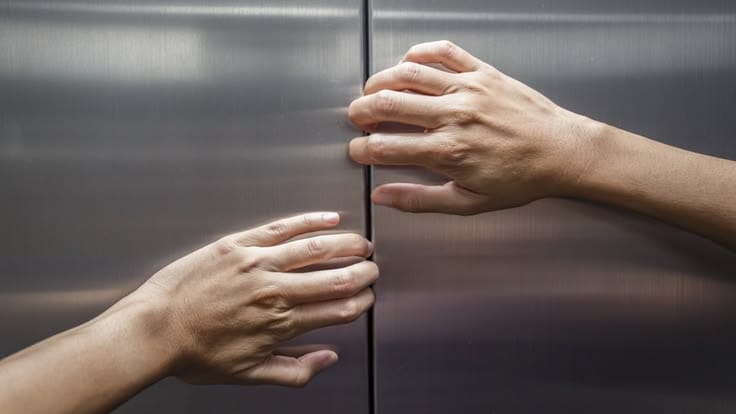
Fire brigade personnel rescue seven occupants trapped inside a malfunctioning lift at Shankar Plaza near Krishna Chowk in New Sangvi, Pune. [This image is only for representation.]
7 Trapped in Overloaded Lift
What began as a late-night elevator ride turned into a tense rescue operation in Pune’s New Sangvi area. According to officials, the lift stopped around 2.25 am on Friday at Shankar Plaza near Krishna Chowk after it was carrying seven people despite being designed for only five. The Pimpri-Chinchwad fire brigade received the emergency call minutes later and eventually rescued all occupants safely around 6 am.
What Happened
Officials said the lift got stuck between the ground and first floor after a technical fault was triggered by overloading. Since the elevator had exceeded its permitted weight capacity, the safety system locked the lift and prevented it from moving normally. The Hindustan Times has covered the full story.
The fire brigade team from the Rahatani fire station reached the spot within seven minutes of receiving the distress call at around 2.38 am. However, the rescue was not immediate because the lift’s safety lock made it difficult to open. Society members reportedly requested that lift company technicians be called first so the equipment would not be damaged.
That decision added time to the rescue effort. When the technicians also failed to open the lift, fire personnel took over the operation and worked until all seven people were released safely around 6 am. Thankfully, no injuries were reported.
Why The Lift Got Stuck
The main reason was overloading. The lift was meant for five persons, but seven occupants were inside at the time of the incident. In simple terms, the elevator was carrying more than it was designed to handle, and that likely triggered the safety mechanism.
Modern lifts are built with protective systems that stop the machine when they detect unsafe load conditions. This is good because it prevents accidents, but it can also create a frightening situation if people are trapped inside for a long time. Yeh issue kaafi important hai because many residents in apartment buildings assume lifts can handle “just two extra people,” but even that can become a serious risk.
Rescue Effort
The rescue operation became a test of patience for both the trapped passengers and the firefighters. Initial attempts followed standard rescue methods, but the safety lock system made access difficult. After that, technicians from the lift company were also called in, but they too could not resolve the problem quickly.
According to fireman Pruthviraj Jaywant Powar from the Rahatani fire station, the team eventually proceeded with the rescue after those attempts failed. He said, “Initially, we tried to open the lift using standard rescue methods, but the safety lock prevented access. The lift company’s technicians were also called, but they could not resolve the issue. After failed attempts by these technicians, we rescued the people.”
Powar also issued a clear safety reminder, saying people should follow the capacity limits mentioned in lifts because overloading can lead to dangerous situations. That statement is simple but vital. Lift safety is often ignored until something goes wrong.
Background And Context
Lift entrapment incidents are not unusual in crowded residential buildings, especially in fast-growing urban areas where maintenance standards can vary. Pune, like many Indian cities, has a large number of apartment complexes, mixed-use buildings, and old housing societies where elevator usage is heavy throughout the day and night.
What makes this case notable is the timing and duration. The incident happened in the early hours, when fewer people were awake and the trapped occupants had to wait for a rescue team to reach and troubleshoot the lift. The nearly three-hour wait shows how even a non-injury emergency can turn stressful very quickly when equipment fails.
Residential buildings often rely on a combination of society staff, technical service teams, and fire personnel during such situations. This case shows that coordination matters. If one step takes too long, the entire rescue process can be delayed, even if the final outcome is safe.
Timeline
2.25 am: The lift gets stuck at Shankar Plaza near Krishna Chowk in New Sangvi.
2.38 am: The Pimpri-Chinchwad fire brigade receives the distress call.
Within 7 minutes: Rahatani fire station team reaches the spot.
Early rescue phase: Standard rescue methods fail because of the safety lock.
Later: Lift company technicians are called but cannot fix the issue.
Around 6 am: All seven trapped people are rescued safely, with no injuries.
This timeline shows how a small technical problem can stretch into a long and uncomfortable ordeal. It also shows why speed and clarity are so important in emergency response situations.
Also Read: Pune Woman Dies After Brutal Throat-Slitting Attack by Ex-Lover; Accused Arrested
Why This Matters
This matters because lift safety is a daily concern for thousands of families living in apartment buildings across India. People depend on elevators for convenience, but very often they forget the basic rules that keep those lifts safe. Capacity limits, regular maintenance, and proper emergency response are not optional—they are essential.
It also matters because such incidents can easily become dangerous if panic sets in. Even when no one is injured, being trapped for hours can cause fear, dehydration, suffocation concerns, and emotional stress, especially for elderly occupants, children, or people with medical issues. For residents, this incident is a reminder that everyday infrastructure needs regular care, not just occasional attention.
India Angle
For Indian housing societies, this is a very familiar kind of incident. In cities like Pune, Mumbai, Delhi, Bengaluru, and Hyderabad, lifts are used constantly in residential towers, offices, and shopping buildings. A lot of communities depend on them so heavily that maintenance becomes invisible until a malfunction happens.
The local angle here is especially relevant because Pune’s urban growth has led to a rise in multi-story housing and society-based living. When an elevator fails in a residential building, it disrupts daily life instantly. For senior citizens, delivery workers, children, and shift workers, even one lift breakdown can create a major problem. This is why such incidents should not be treated as routine news; they are a sign of how closely city life depends on proper infrastructure.
Analysis
My reading is that the most important lesson here is not the rescue itself but the preventive failure behind it. The lift had a fixed capacity, yet seven people entered it. That means the problem was not only mechanical; it was also behavioral. In many Indian buildings, people squeeze into lifts to save time, especially late at night or during rush hours. But a few extra kilograms can be enough to trigger a shutdown or worse, a breakdown.
What Next
The immediate next step should be a proper inspection of the lift and its safety systems. Building management will likely need to check whether the elevator is functioning correctly and whether its emergency response process needs improvement.
The housing society may also need to review maintenance schedules, signage, resident awareness, and contact protocols for future emergencies. In the bigger picture, this incident could prompt other apartment complexes in Pune to inspect their own lifts and remind residents not to overload them. If that happens, this scary episode could still lead to a useful safety wake-up call.
Conclusion
The rescue of seven people trapped in an overloaded lift in Pune’s New Sangvi ended safely, but it exposed how quickly a routine building facility can turn into an emergency. The lift’s five-person capacity was exceeded, the safety system locked the elevator, and the rescue took nearly three hours before firefighters and technicians managed to free everyone.
No one was injured, which is the best possible outcome in a situation like this. But the incident is a strong reminder that lift capacity limits exist for a reason and that urban safety depends on small rules being followed consistently. In crowded Indian cities, yeah, simple discipline can prevent big trouble.
Written By A. Jack