Failures in emergency care, breaches of building by-laws, fire safety issues and illegal building were among problems found in the review, authorities said. Fortis Hospital said it will fully cooperate once the findings are formally shared.

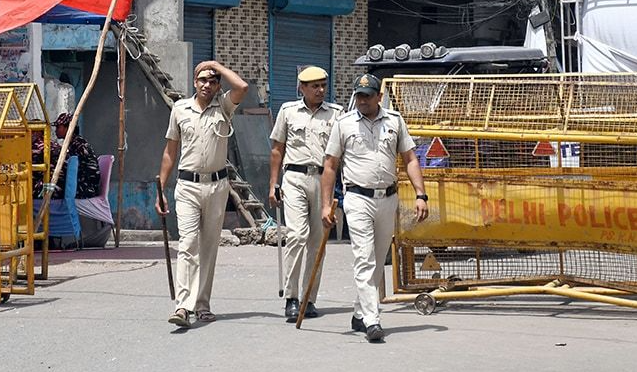
This image is only for illustrations.
Delhi’s Fortis Hospital in Shalimar Bagh is facing government action after a district administration inquiry found alleged irregularities, including lapses in patient care, an official statement said on Thursday. The inquiry was ordered after a complaint was raised during a Jan Sunwai, alleging that the hospital demanded payment before starting treatment for a youth injured in a stabbing incident and that the delay contributed to his death. The Delhi government has now said it will move ahead with action and is preparing a detailed inquiry report.
This is a serious case because it raises two questions at once: whether an emergency patient was denied timely care and whether the hospital’s broader operations were in compliance with safety and regulatory norms. In a city like Delhi, where private hospitals handle a large share of emergency care, yeh issue kaafi important hai for both patients and public trust.
What the Inquiry Found
According to the government statement, the inspection team was led by the Central District Magistrate and included officials from the Health Department, the Municipal Corporation of Delhi, the Delhi Fire Service and other departments. The team visited the hospital on Thursday, examined CCTV footage and reviewed emergency department records. NDTV has covered the full story.
The government said the footage showed the injured youth walking into the emergency department on his own, which officials believe suggests that timely treatment might have saved his life. That point is central to the complaint because it shifts the issue from a clinical outcome to a possible delay in emergency response.
The statement also alleged several other problems: violations of building by-laws, unauthorized construction, deficiencies in the fire safety system, misuse of the basement and serious lapses in following standard operating procedures for medical protocols. These findings, if confirmed, could have regulatory consequences beyond the specific death case.
Fortis Hospital’s Response
Fortis Hospital has said it will cooperate with the authorities and review the matter once the details are formally shared. In its statement, the hospital said it remains committed to “the highest standards of patient care, clinical excellence, and regulatory compliance” and that patient safety and well-being remain its foremost priority.
That kind of response is standard in serious institutional probes, but it also matters because it shows the hospital is not publicly disputing the process at this stage. Instead, it appears to be taking a wait-and-review position. In a case like this, that is often the first step while legal and administrative scrutiny continues.
The hospital’s statement is important because public confidence in a healthcare institution can be damaged quickly when allegations involve emergency care and possible payment-related delay. Even before any final conclusion, hospitals usually try to reassure patients and regulators that they are cooperating and that safety remains the main concern.
Why the Case Began
The government said Chief Minister Rekha Gupta ordered the inquiry after a complaint received during a Jan Sunwai. According to that complaint, the hospital allegedly demanded payment before beginning treatment for a young man who had suffered stab injuries. The allegation is especially serious because in emergency medicine, time is critical and delays can change outcomes very quickly.
When a stabbed patient arrives at an emergency department, the expectation is that doctors and medical staff begin triage immediately. If payment discussions or administrative delays interfere with that process, it can raise both ethical and legal questions. That is the heart of this case.
The alleged sequence is also why the inquiry was not limited to one complaint. Once the district administration team went inside and reviewed records, it expanded into a wider inspection of the hospital’s compliance with safety and building norms. That makes the issue larger than one patient’s case and turns it into a full institutional review.
Background and Context
Private hospitals in major Indian cities often operate under close public scrutiny because they handle large patient volumes and are expected to maintain both medical and infrastructural standards. In emergency care cases, complaints about delays or payment demands usually trigger strong public reaction because people expect treatment to come first.
This case also comes at a time when there is growing focus on hospital accountability, especially in metropolitan areas like Delhi. Patients and families increasingly want transparency about treatment decisions, emergency protocols and billing practices. When a death is linked to a possible delay, the scrutiny becomes even sharper.
The alleged building bylaw violations, fire safety deficiencies and basement misuse add another layer. These are not just technical issues. They affect patient safety, staff safety and evacuation readiness. So even if the death-related complaint is still being examined, the physical and operational compliance concerns matter on their own.
Timeline
Complaint stage: A Jan Sunwai complaint alleges that treatment was delayed at Fortis Hospital because payment was demanded first.
Youth’s death: The injured youth dies after allegedly not receiving timely care.
Inquiry ordered: Delhi Chief Minister Rekha Gupta orders an investigation.
Thursday inspection: A district administration team with multiple departments inspects the hospital.
CCTV and records checked: Officials review emergency footage and hospital records.
Government statement released: The Delhi government says irregularities and patient care lapses were found.
Next step: The government says it will initiate action and prepare a detailed inquiry report.
Also Read: Delhi Woman Dies by Suicide in Nangloi, Leaves Video Blaming In-Laws for Harassment
Why This Matters
This matters because emergency medicine is built on speed, trust and clear protocols. If a patient with stab injuries was indeed delayed because of payment issues, that is not just a hospital lapse; it is a serious failure of the care system. In emergencies, every minute counts.
It also matters because institutional accountability is at stake. A hospital does not just need to deliver treatment; it also has to meet safety rules, fire standards and lawful construction norms. If those systems are weak, the risk extends far beyond one patient. That is why the inquiry findings are significant for patients, regulators and the healthcare industry as a whole.
For ordinary people, this case creates a tough but important reminder: emergency care should never become a waiting room for billing disputes. Yeh issue kaafi important hai because many families rely on hospitals in moments of crisis and assume that life-saving treatment will come first. If that trust is shaken, the impact is far bigger than one headline.
India Angle
For Indian readers, this story hits home because it reflects a common fear: what happens if a hospital delays treatment when someone is in danger? In cities across India, families often worry about paperwork, advance payments, and whether a patient will be treated quickly enough. In Hinglish, seedhi baat yeh hai: emergency mein paisa baad mein, treatment pehle hona chahiye.
Delhi, in particular, has a large mix of government and private healthcare providers, and public trust depends on both quality and compliance. When a major private hospital comes under scrutiny, it becomes a citywide issue and often a national conversation. Patients in India want reassurance that legal and ethical standards are being enforced.
The infrastructure findings also matter for Indian families because they show that hospital quality is not only about doctors and machines. Fire safety, building design, and emergency protocols are equally important. A hospital can look modern on the outside, but if compliance is weak, the public is still at risk.
Analysis
My view is that the most important issue here is the allegation of delayed emergency care. That is the most emotionally powerful part of the story and the one likely to shape public opinion. But the infrastructure and fire safety findings are also important because they show this may be a broader compliance problem, not only a one-time medical decision.
The hospital’s statement of cooperation is a sensible response, but it will not be enough to settle public concerns. People will want the detailed report, the evidence behind the CCTV interpretation, and clarity on whether protocol failures directly contributed to the death. Until that is answered, the case will remain under intense scrutiny.
From a writing standpoint, this story has a clean and important arc: complaint, inspection, findings, and likely action. That makes it highly relevant for readers who want to understand both the human and institutional sides of the case.
What Next
The Delhi government is expected to prepare a detailed inquiry report and move ahead with formal action against the hospital. That could mean regulatory penalties, further inspections or other administrative steps depending on what the final report confirms.
Fortis Hospital will likely review the findings once officially shared and may issue a more detailed response. The hospital may also need to clarify its emergency protocols and compliance record if the government proceeds with action.
For the victim’s family, the next stage will be about accountability and closure. For the public, the key question is whether the case leads to real change in emergency treatment standards and hospital oversight.
Conclusion
The Fortis Hospital case in Delhi is about much more than one complaint. It raises serious questions about emergency treatment, payment demands, hospital compliance and patient safety. If the inquiry findings are upheld, the action against the hospital could become a major reminder that medical institutions are judged not only by their care but also by their responsibility to act fast, stay compliant and protect lives. In a city like Delhi, that lesson matters a lot.
Written By A. Jack