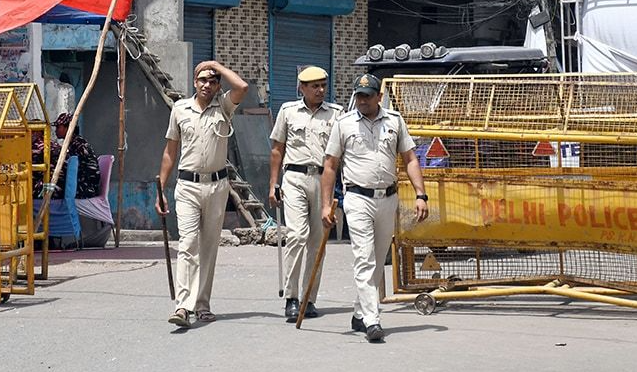
A 13-year-old boy reported missing from south Delhi’s Bhati Mines was found dead in a forested area, and police have detained two 16-year-old acquaintances in connection with the alleged murder. The case has sparked anger in the locality, triggered a road blockade, and raised fresh concerns about juvenile violence and child safety in Delhi.
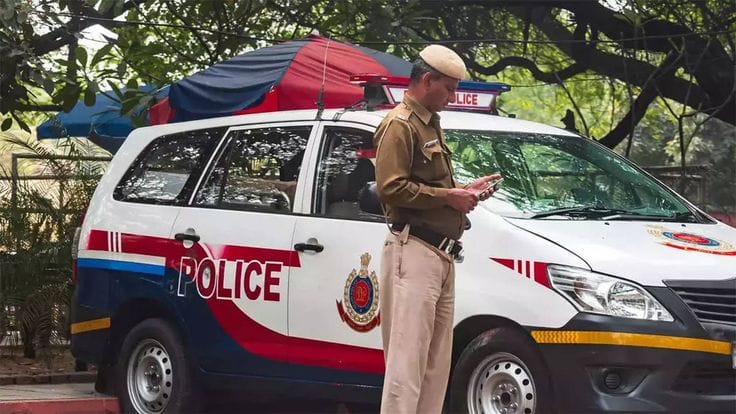
Police investigation in south Delhi’s Bhati Mines area after the body of a missing 13-year-old boy was recovered from a forested stretch following the detention of two juveniles.
Delhi Horror: Two Minors Detained in Bhati Mines
The tragedy unfolded after the Class 8 student went out to play on Monday and did not return home. His family, daily wage workers in the area, filed a missing person complaint, and a kidnapping case was registered before police later added murder charges as the investigation deepened.
What Happened
According to police, the boy’s body was recovered on Tuesday from a forested area near Bhati Mines, and two minors were detained in connection with the killing. The victim was allegedly strangled, and police said the two juveniles later revealed the location of the body during questioning. The Hindustan Times has covered the full story.
The incident has shaken the local community because the victim was only 13, while the accused are also minors aged 16. In a city like Delhi, where missing children cases are already a serious concern, this case has become a painful reminder that violence among juveniles is not just a legal issue but a social warning too.
How The Case Unfolded
Police said the boy had gone out with friends on Monday and never came back, prompting his parents to lodge a missing complaint. During the search, investigators spoke to locals and also questioned the two boys who had been with him, after which they allegedly admitted to strangling him and dumping the body in a forested patch.
One report indicates that the altercation started during play and escalated into murder, with police sources suggesting the boys first had an argument and later decided to kill the victim. Another report states that the accused may have lured him to a secluded spot before killing him, which points to a degree of planning rather than a sudden impulse. The exact sequence will become clearer after the full investigation and autopsy findings are examined.
Family Anger And Protest
The boy’s family has alleged that the police response was delayed when they first tried to report him missing. His uncle claimed they reached the station around 8 pm, but the complaint was not lodged until midnight, and officers began searching only the next morning.
Police have denied that version, saying the kidnapping case was registered promptly and search teams started working soon after. This disagreement matters because in missing-child cases, the first few hours are critical, and any delay — real or perceived — can create deep public anger. That frustration spilled onto the streets on Wednesday when locals blocked a road near the Sanjay Colony police post before officials restored order by assuring a fair and speedy probe.
Statements From Officials
Ward councillor Sunder Tanwar said the incident had deeply disturbed the neighborhood and called for strict action against everyone involved. Police officials, meanwhile, said they are still working to establish the complete motive and sequence of events, even though the juveniles allegedly confessed to strangling the boy.
The family has also alleged that the accused acted under the influence of drugs, though that claim has not yet been independently verified in the public reports available so far. If that angle is confirmed, it would raise an even broader concern about substance abuse among minors and how it can intensify violent behavior. Yeh point kaafi serious hai because drug exposure and juvenile crime together create a dangerous mix.
Background And Local Context
Bhati Mines, located in south Delhi, has often figured in crime-related and missing-person reports because of its forested and semi-remote stretches. For families living nearby, this incident is not just another headline; it is a direct local fear, because children often move around in groups for play and daily routines.
Delhi has also been dealing with a worrying pattern of minors getting pulled into serious offenses. Reports over the past year have shown that juvenile involvement in murders, robberies, and violent crimes remains a major policing concern in the capital. Against that backdrop, this case is likely to push renewed debate on child supervision, peer influence, drug access, and community safety.
Timeline
Monday evening: The 13-year-old boy goes out to play and does not return home.
Monday night: The Family files a missing person complaint, and police begin the search.
Tuesday: Police recover the body from a forested area near Bhati Mines and detain two juveniles.
Wednesday: Locals stage a road blockade near Sanjay Colony police post; the boys are produced before the Juvenile Justice Board and sent to an observation home.
The timeline shows how quickly a missing-child complaint escalated into a murder investigation. It also shows why early coordination between families, police, and local residents is so important in urban crime cases. Also Read: Delhi Police Launches Free Self-Defence Camp for Women
Why This Matters
This matters because the victim was a child, and the accused are also children. That makes the case legally complex and emotionally devastating at the same time. Under Indian law, juvenile justice focuses on rehabilitation, but when the offense is extremely grave, society inevitably asks whether the system can balance reform with accountability.
It also matters because the case highlights the vulnerability of children in public spaces. If a routine outing to play can end in murder, families naturally feel unsafe. For Delhi residents, especially in lower-income neighborhoods where children often play outdoors, this is a very real concern and not just a newspaper story.
Juvenile Justice Angle
The two accused were produced before the Juvenile Justice Board and sent to an observation home, which is the standard legal process when minors are involved. Their age means the case will not proceed like a regular adult murder trial, and that often sparks public debate whenever the alleged crime is heinous.
The victim’s family has argued that the juveniles should be tried as adults because they knew what they were doing. That demand reflects a common reaction in such cases, but the final legal route will depend on the Board’s assessment of age, mental maturity, and the nature of the offense. This is exactly where public emotion and legal procedure often collide.
Analysis
My reading is that the wider issue here is not only one murder but also the environment that allows children to reach such a point of violence. Whether the trigger was a fight during play, peer conflict, or something darker like substance abuse, the incident points to a breakdown in supervision and intervention at multiple levels. Police action is necessary, but long-term prevention will require family awareness, local policing, school counseling, and addiction control, especially in vulnerable zones of Delhi.
What Next
The next steps will include the post-autopsy report, a fuller witness statement record, and deeper questioning of the juveniles through the legal juvenile justice framework. Investigators will also likely check whether the murder was planned, whether any weapon or object was used, and whether other children were aware of the sequence of events.
The family will be watching for fast and transparent legal action, while local residents will expect better policing around the area. If the probe confirms the alleged drug angle, that could widen the case into a larger conversation about minors, addiction, and violent behavior in the capital. For now, the immediate priority is a fair investigation and support for the grieving family.
Conclusion
The death of a 13-year-old boy in Bhati Mines is a heartbreaking case that has left Delhi shaken. Two minors are in custody, the family is demanding answers, and the local community is asking how such a tragedy could happen so close to home.
This case is important because it goes beyond one family’s loss. It raises difficult questions about child safety, juvenile crime, delayed reporting, and the social pressures facing young people in the city. Yeh sirf ek criminal case nahi hai—it is a mirror to deeper problems that need urgent attention.
Written By A. Jack