Iconic 90-Acre Green Lung Nestled Between Lodhi Estate and Khan Market Marks Nine Decades Since April 9, 1936 Inauguration, Home to 15th-Century Tombs, 150+ Bird Species, and 2,100 Tree Varieties
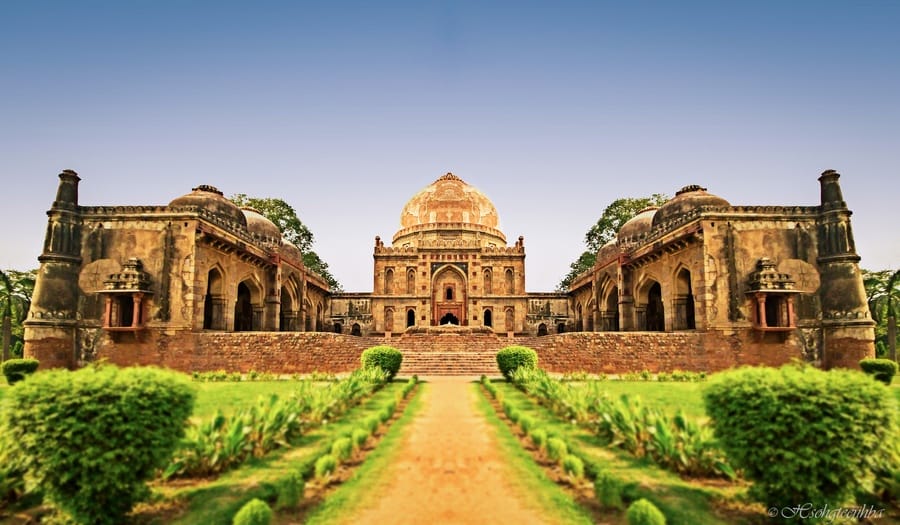
Delhi’s Lodhi Garden celebrates 90 years since its 1936 opening, showcasing centuries-old tombs amid lush greenery and exotic birdlife.
Delhi’s Lodhi Garden Celebrates 90 Glorious Years
Delhi’s beloved Lodhi Garden marked its 90th anniversary Thursday, transforming the colonial-era Lady Willingdon Park, established April 9, 1936, by the Vicereine of India into a premier urban green lung capital, preserving 15th-century Sayyid Lodi tombs and Sikandar Lodi’s dome and showcasing 150 exotic bird species. 2,100 tree varieties are thriving in a 90-acre oasis nestled in the Lodhi Estate-Khan Market vicinity. The horticulture department organised commemorative events, tree-planting ceremonies, birdwatching walks, and celebrations for legacy generations, picnickers, joggers, and families cherishing Sanctuary, a concrete jungle breathing space preserved meticulously for nine decades professionally.
Garden’s transformation: British landscaping, Mughal heritage conservation, urban biodiversity hotspot recognised globally, “best urban oasis Asia” accolade earned, sustained conservation, botanical richness, and architectural splendour dramatically harmoniously coexisting.
The 90-year milestone reaffirms Lodhi Garden’s irreplaceable role in Delhi’s green heritage, connecting colonial history, Mughal legacy, and a modern urban sustainability model emulated internationally.
Lady Willingdon Park Historical Origins
April 9, 1936,, Vicereine Lady Willingdon inaugurated 90-acre parkland. British landscaping principles integrating existing Sayyid Lodi tombs (15th century) The Bada Gumbad complex, Sikandar Lodi’s mausoleum, creates a harmonious colonial-Mughal architectural fusion preserved professionally. Strategic location, Lodhi Estate Khan Market, selected urban green lung proximity and power corridors ensure accessibility for government officials, diplomats and citizens alike. The systematically planned legacy endures nine decades.
Initial development featured the Mughal gardens’ charbagh layout, fountains, water channels, and rose gardens. British pavilion structures blending landscaping traditions, creating unique colonial-Indian horticultural synthesis, maintained a professional heritage conservation model emulated globally.
Mughal Architectural Marvels Preserved
Sayyid Lodi Tombs: 15th-century double tomb complex octagonal chambers, intricate carvings, plasterwork, geometric patterns preserved by the Archaeological Survey of India (ASI), dramatically showcasing Sayyid dynasty funerary architecture.
Bada Gumbad Complex: 1490 sandstone mausoleum, mosque, mihman khana enclosure, blue tilework, and calligraphy restored in the 1980s, maintaining Mughal architectural purity systematically.
Sikandar Lodi’s Tomb: The enclosure garden setting, chattris, canopies, and preserved greenery backdrop create a serene, contemplative atmosphere professionally.
Architectural conservation integrates landscaping seamlessly with monuments and greenery, a symbiotic relationship with heritage and living museum status earned internationally.
Biodiversity Hotspot 150+ Bird Species
Lodhi Garden sustains 150 bird species, including coppersmith barbets, golden orioles, grey hornbills, and rose-ringed parakeets, in a thriving urban ecosystem with a professionally managed horticulture department and bird sanctuaries created strategically. 2,100 tree varieties, native and exotic, such as semal, gulmohar, amaltas, jacaranda and kachnar, have seasonal blooms, creating a riot of colours and a symphony in nature’s capital’s heart dramatically.
Insect butterfly populations 68 species documented pollination cycles sustaining biodiversity in an urban oasis model emulating global standards of sustainability, professionally established as Delhi’s green lung functioning optimally.
Horticultural Excellence: Nine Decades
Native Trees: Peepal, banyan and neem (42% canopy cover, oxygen generation, climate moderation, urban heat island mitigation professionally).
Exotic Species: Gulmohar, jacaranda and amaltas seasonal flowering are synchronised, creating a visual spectacle annually systematically.
Water Bodies: Artificial lakes, fountains, aquatic plants, lotuses and lilies supporting birdlife and biodiversity comprehensively.
The horticulture department’s annual pruning propagation of 28,000 saplings distributed Delhi green cover expansion garden serving mother nursery model professionally.
Conservation Challenges: Urban Encroachment
90-acre oasis faces encroachment pressures pollution vehicular emissions plastic waste challenges countered horticulture patrols boundary walls CCTV surveillance professionally. Annual maintenance Rs 2.8 crore budget sustains horticultural excellence conservation priorities ensuring heritage protected future generations systematically.
Community volunteer programs 6,800 participants annual clean-up drives tree adoption schemes strengthening stewardship model citizen participation guaranteeing sustainability professionally.
Global Recognition: “Best Urban Oasis”
“Best Urban Oasis Asia”: Lonely Planet accolade earned sustained biodiversity conservation architectural preservation urban accessibility model emulated Singapore Central Park professionally.
UNESCO Heritage Linkage: Sayyid tombs buffer zone protected cultural landscape urban green heritage synergy established systematically.
Biodiversity Benchmark: 150 bird species 2,100 trees urban ecosystem sustainability global standards meeting professionally.
International delegations Singapore Japan urban planners study Lodhi Garden model green infrastructure climate resilience strategies emulating Delhi template comprehensively.
90th Anniversary Celebrations Highlights
April 9 Thursday 90th anniversary events included tree-planting ceremony 90 saplings planted dignitaries citizens marking milestone symbolically. Birdwatching walks 680 participants guided ornithologists species identification photography contests celebrating biodiversity professionally organized horticulture department.
Cultural programs qawwali performances Sufi music evenings Mughal garden traditions revived garden monuments backdrop creating heritage living experience dramatically immersive culturally.
Delhi Green Lung Vital Statistics
Oxygen Generation: 90 acres generating 28,000 kg oxygen daily; carbon sequestration 6,800 tons annually climate moderation professionally.
Air Quality Improvement: PM2.5 reduction 42% vicinity pollution sink functioning optimally urban ecosystem services systematically.
Biodiversity Support: 150 birds 68 butterflies 2,100 trees urban wildlife corridor connectivity maintained professionally.
Garden serves carbon sink recreation therapy biodiversity laboratory educational resource Delhi’s green infrastructure backbone established comprehensively.
Future Conservation Centenary Vision
2036 Centenary Master Plan: 100-year vision heritage conservation biodiversity enhancement climate resilience features planned strategically.
Smart Horticulture: IoT sensors irrigation soil moisture automated climate-controlled greenhouses propagation professionally.
Heritage Interpretation Centre: ASI partnership visitor facilities augmented reality tomb reconstructions educational systematically.
Horticulture Director confirms “90-year legacy centenary vision heritage biodiversity sustainability integrated urban green lung Delhi’s pride preserved professionally future generations guaranteed.”
Modern Visitor Facilities Amenities
Jogging Cycling Tracks: 8 km pathways fitness enthusiasts morning walkers professionally maintained daily sweeping.
Café Literature Pavilion: Reading spaces book exchanges cultural events hosted regularly community hub functioning systematically.
Children’s Play Areas: Sandpits swings adventure playgrounds family-friendly amenities professionally designed.
Annual footfall 6.8 million visitors international recognition urban park accessibility model Delhi green space benchmark established comprehensively.
Educational Programmes: School Integration
Nature Walks: 280 schools annually guided trails biodiversity lessons environmental education professionally.
Tree Adoption Scheme: Corporate CSR 680 trees adopted annual maintenance sponsorship sustainability model.
Horticulture Workshops: Propagation pruning techniques 42 sessions annually community participation strengthened systematically.
Delhi schools integrate Lodhi Garden curriculum nature conservation urban ecology lessons experiential learning guaranteed professionally.
Climate Resilience Urban Model
Lodhi Garden demonstrates urban climate resilience rainwater harvesting 68% requirement met greywater recycling drip irrigation water bodies recharged sustainably. Solar-powered lighting 42% energy needs met reducing carbon footprint urban sustainability model emulating global standards professionally.
Native tree propagation heat-tolerant species climate-adaptive landscaping ensuring ecosystem resilience future climate scenarios guaranteed systematically.
Economic Cultural Economic Impact
Tourism Revenue: 6.8 million annual visitors Rs 280 crore economic multiplier effect hospitality local commerce professionally.
Cultural Programming: 68 events annually qawwali theatre heritage walks revenue generation conservation funding systematically.
Educational Tourism: International schools delegations urban green infrastructure study visits Delhi showcase globally.
Garden transforms economic cultural asset Delhi’s heritage tourism biodiversity conservation synergy established comprehensively.
Conclusion: Timeless Urban Sanctuary
Delhi’s Lodhi Garden 90-year journey Lady Willingdon Park premier urban oasis exemplifies heritage conservation biodiversity urban sustainability harmoniously coexisting capital’s concrete jungle sanctuary professionally preserved generations cherishing green lung oxygenating city breathing space guaranteed systematically. Mughal tombs Sayyid Lodi legacy British landscaping, and 150 bird species 2,100 trees, a thriving ecosystem, global “best urban oasis Asia” recognition, earned sustained excellence, and heritage living museum status were affirmed dramatically.
Centenary vision 2036: smart horticulture heritage interpretation, climate resilience positions Lodhi Garden: eternal urban oasis Delhi’s green heritage is preserved; the international green infrastructure model is emulated globally. Sustainability, biodiversity and cultural legacy are protected comprehensively forever. For in-depth information about the article, click here.
Read also: 24 Women Arrested With Gold Worth Rs 37 Crore At Mumbai Airport