Dhanendra Kumar, the first chairman of the Competition Commission of India and a retired IAS officer, died after a suspected air-conditioner blast at his residence in Hauz Khas in Delhi. Officials said his son was also hurt in the fire, and is being treated.
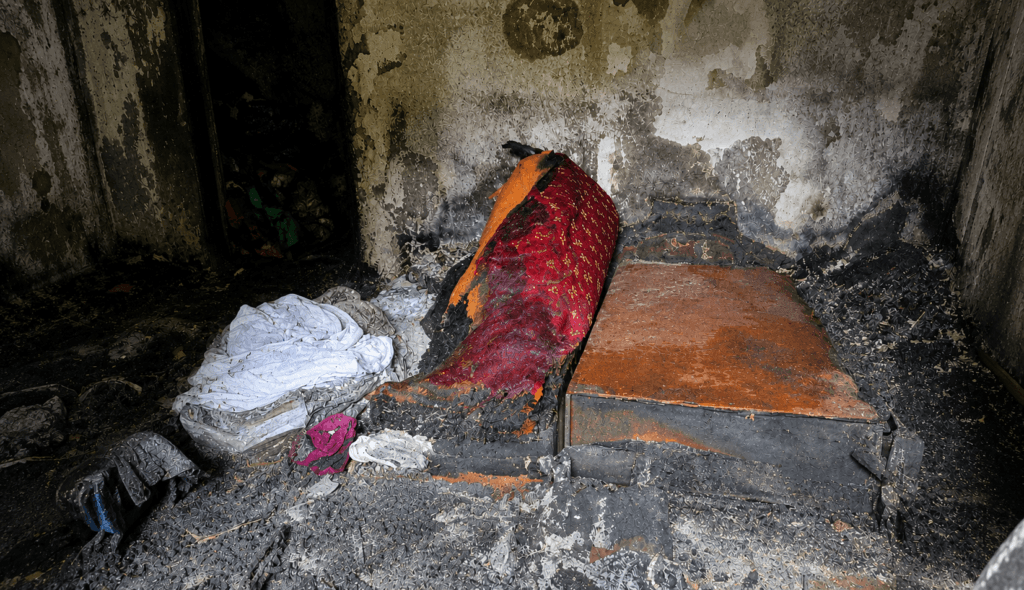
A charred room at Dhanendra Kumar’s Hauz Khas home after a suspected AC blast caused a fire late on Thursday night.
Former IAS officer Dhanendra Kumar, widely known for being the first chairman of the Competition Commission of India, died in a fire at his Delhi home after a suspected blast in an air-conditioner unit. The incident took place late on Thursday night at his Hauz Khas residence, one of the capital’s prime neighborhoods, and left his son injured.
According to police, five people, including family members and domestic help, were present in the house when the fire broke out around 11:18 pm. Fire department teams and police rushed to the scene and rescued those trapped inside before shifting Kumar and his son to a nearby hospital. Kumar later died during treatment due to smoke inhalation, while his son is said to be out of danger. Yeh incident kaafi tragic hai because it has taken the life of a respected civil servant in a sudden household fire that appears to have started from an appliance.
What Happened?
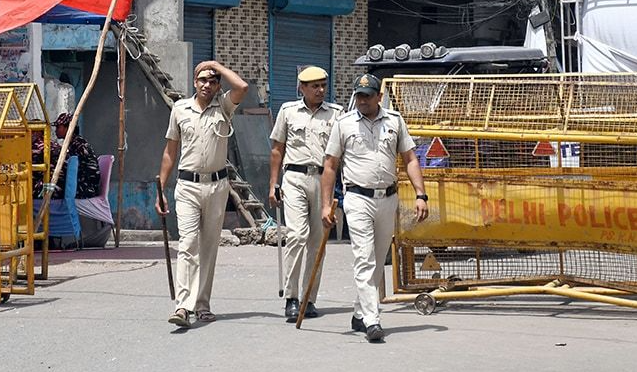
The first version of events says that a fire broke out inside the Hauz Khas house after a possible blast in the indoor unit of an air conditioner. Police and crime teams have said no foul play is suspected at this stage. That means investigators are currently treating it as an accidental fire rather than a criminal act. NDTV has covered the full story.
The fire spread quickly enough to leave the house heavily charred. Visuals from the spot showed thick ash, debris, burnt clothes, and a damaged suitcase lying on the floor. Those images suggest that the flames and smoke were intense inside the house, which is often the biggest danger in domestic fire incidents. In many such cases, smoke inhalation can be as fatal as burns themselves, especially for elderly victims.
Kumar and his son were taken to the hospital soon after the rescue operation. While the son survived and is stable, Kumar could not be saved despite medical treatment. The police are still verifying the cause of the fire, but the early suspicion remains centered on the AC unit.
Why the Fire May Have Started
At this stage, the suspected trigger is a blast in the indoor AC unit. Air-conditioning systems can become dangerous if there is an electrical fault, gas leakage, overheating, or a short circuit. When the indoor unit fails suddenly, it can produce sparks, flames, or a burst that spreads fire to nearby furnishings and walls.
A residential fire of this kind can worsen very fast because home interiors often contain curtains, upholstery, clothes, and wooden furniture, all of which can catch fire easily. Once smoke fills a room, visibility drops sharply and breathing becomes difficult. That appears to be what made the incident especially dangerous for Kumar, who died due to smoke inhalation during treatment.
The fact that the house was completely charred indicates that the fire may have been substantial by the time rescue teams arrived. Investigators will likely examine the AC wiring, compressor condition, electrical load, and maintenance history to confirm the exact cause. In cases like this, the final report often depends on forensic inspection rather than just visible damage.
Dhanendra Kumar’s Long Public Career
Dhanendra Kumar’s death has drawn attention not only because of the tragedy itself, but also because of the stature of the man involved. Born in 1946, he joined the Indian Administrative Service in the 1968 batch and went on to hold several important positions across the central and state governments.
He served as secretary in key central ministries, including Defense, Road Transport and Highways, and Culture. These roles placed him at the center of major policy and administrative decisions. He also served as Chairman and Managing Director of the Rural Electrification Corporation and represented India internationally as the World Bank’s Executive Director for India, Bangladesh, Sri Lanka, and Bhutan from 2005 to 2009.
His most notable national role came when he became the first chairman of the Competition Commission of India from February 2009 to June 2011. During that period, competition law in India was still developing, and the commission’s role in ensuring fair market practices was being shaped. Kumar was part of the early institutional foundation of that framework. Later, he also worked on policy committees and advisory roles related to competition law, real estate approvals, and public affairs.
He had also held important positions in Haryana, including principal secretary to the chief minister and leadership roles in industrial development institutions. His career reflected a long administrative journey through governance, policy, and economic reform. Even after retirement, he remained active in public policy, founding COMPAD and serving as a mentor in competition law education.
Background
The tragedy is also a reminder of how ordinary home incidents can become fatal in a matter of minutes. Delhi, like many large cities, has a high-rise and apartment-heavy residential landscape where electrical appliances are used constantly, especially during warmer months. That makes AC safety a serious domestic issue.
Older adults are often the most vulnerable in household fires because they may take longer to move away from smoke or reach exits quickly. In this case, the combination of nighttime timing, enclosed space, and heavy smoke may have increased the danger. The fact that the incident occurred at around 11:18 pm also means the house may have been in a quieter state when response time is crucial.
From a public service angle, Kumar’s death closes the life of a bureaucrat who helped shape India’s administrative and competition-policy landscape. That adds a second layer to the story: it is both a domestic accident and the passing of a significant public figure.
Timeline
Thursday night, around 11:18 pm: A fire breaks out at Dhanendra Kumar’s Hauz Khas home.
At the time of the fire: Five people, including family and domestic help, are inside the house.
Police and fire teams arrive: Rescue operations begin, and the fire is brought under control.
Kumar and his son are shifted to the hospital: Both are treated for smoke inhalation and injuries.
During treatment: Dhanendra Kumar dies; his son remains under care and is stated to be out of danger.
Afterward: Police and crime teams begin a preliminary investigation; foul play is not suspected.
Also Read: Mango Payment Fight in Pune Leads to FIR Against IT Engineer Husband
Why This Matters
This matters because it highlights the vulnerability of homes to electrical accidents, even in a high-profile neighborhood like Hauz Khas. Fire safety is often talked about in commercial buildings, but domestic appliance failures can be equally deadly. The incident is a reminder that regular maintenance of AC units, wiring, and electrical load is not optional.
It also matters because Dhanendra Kumar was an important institutional figure. His role in setting up and strengthening the Competition Commission of India makes his death notable in India’s administrative and policy circles. Yeh issue kaafi important hai because it combines human tragedy with public institutional memory. When such a figure passes away in an accident, it also prompts reflection on the fragility of everyday life, no matter how distinguished the career.
India Angle
The India angle here is strong because the story connects public administration, urban safety, and household fire risk. Many Indian homes rely heavily on air conditioners, especially in cities where summers are long and electricity use is high. This case will likely resonate with households that depend on regular appliance servicing.
In Hinglish, seedhi baat yeh hai: ek chhota sa electrical fault bhi bada tragedy bana sakta hai. For Indian families, the lesson is practical and immediate—check wiring, service AC units, and avoid ignoring unusual noises, sparks, or burning smells. At the same time, Kumar’s long career is a reminder of the role Indian civil servants play in shaping institutions that affect markets, governance, and everyday economic life.
Analysis
I think this incident will be remembered in history in two ways: first, as the sudden death of a leading retired bureaucrat and second, as a warning of the potential for domestic fires to kill. The reported absence of foul play means the focus is on safety, maintenance, and emergency response. Kumar’s surviving son is a relief, but the tragedy still demonstrates how quickly a night-time home fire can become irreversible. This should also lead to greater awareness about electrical inspections and appliance upkeep in urban India, where ACs are used round the clock. Such maintenance is often taken for granted by the public, but this case shows why that is not the case.
What’s Next?
The next step will likely be a fuller forensic examination of the house and the AC unit to confirm what caused the fire. Police and fire officials may issue a detailed report after assessing the electrical components, burn patterns, and witness statements from the household staff and family members.
There may also be a wave of condolences from the policy and administrative community, given Kumar’s long public service record. On the safety side, this tragedy may encourage more residents to get AC units checked, especially in homes with older electrical systems. The final official cause will matter not only for this case but also for whether any broader safety advice emerges from the incident.
Conclusion
Dhanendra Kumar’s death in a suspected AC-related fire at his Hauz Khas home is a tragic end to the life of a senior civil servant who helped shape India’s bureaucracy, industrial policy, and competition framework. The loss is deeply personal for his family and significant for the administrative community.
While police say foul play is not suspected, the incident is a stark reminder that household electrical failures can turn deadly in moments. As the investigation continues, the focus will remain on confirming the cause of the fire and on the urgent importance of domestic fire safety. For now, the country has lost a respected former IAS officer, and Delhi has witnessed another painful reminder that even the most ordinary home appliances can become dangerous if something goes wrong.