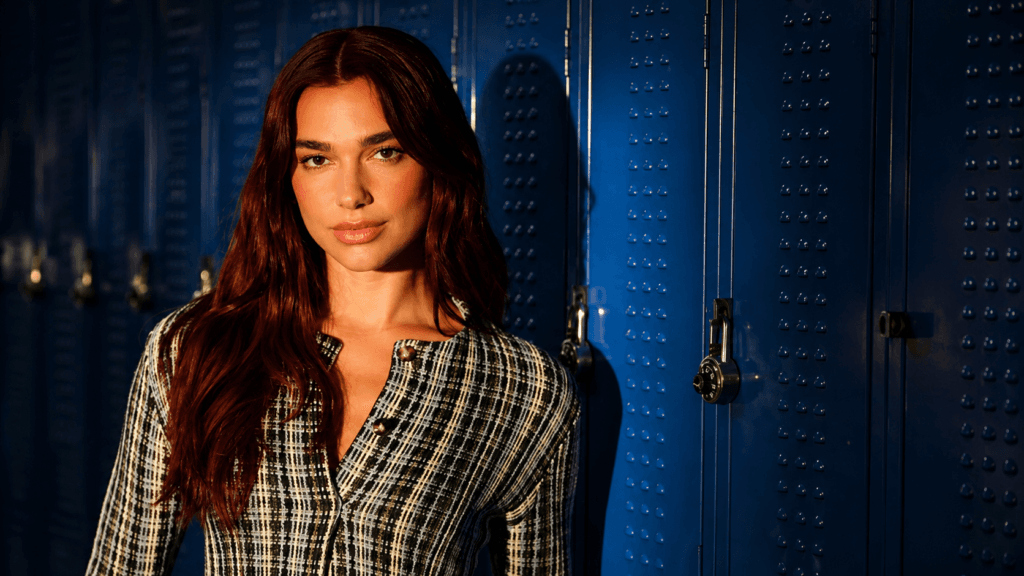
Dua Lipa is suing Samsung after claiming the tech giant used her image on TV boxes in the US without permission. The lawsuit, filed Friday in the US District Court for the Central District of California, seeks $15 million in damages.
It’s a case that has attracted wide attention because it involves one of the world’s biggest pop stars and one of the world’s biggest consumer electronics brands. It also brings up larger questions about image rights, brand licensing, and the use of celebrity likenesses to market products.
What The Lawsuit Says
The filing asserts that Samsung prominently featured a photo of Lipa’s face on packaging for television models sold in the United States. The complaint claims the packaging was “designed to improperly capitalize on Ms. Lipa’s hard-earned success to promote and sell Samsung’s products.”
The lawsuit also claims the photo was taken at Lipa’s 2024 Austin City Limits Festival performance and that she owns the copyright to the image. That is important because it reinforces her argument that the image was not only used without permission but also without the proper rights clearance.
The BBC reported that Lipa’s legal team says Samsung ignored repeated demands to stop using the image. In other words, this was not a sudden escalation—according to the filing, there were attempts to resolve the issue before the lawsuit was brought.
Samsung’s Response
Samsung has denied the charges. It was only used after explicit assurance was given that permission had been obtained. The image was from a third-party content partner, the BBC has been told.
Samsung also said the photo was used in relation to content on Samsung TV Plus and that the permission was believed to extend to retail packaging as well. The company said it respects artists’ intellectual property and is open to a constructive resolution.
That response is all too common in commercial image disputes: one side claims it did not give permission, the other side says it was relying on the assurances of a partner. Often, it comes down to paperwork, licensing chains, and whether the use on packaging was clearly covered. For more latest Entertainment news do check out my page.
Why The Case Matters
The case counts because there is serious money in celebrity likeness. A face on a TV box can affect buying behavior, especially if the celebrity has global recognition and strong brand appeal.
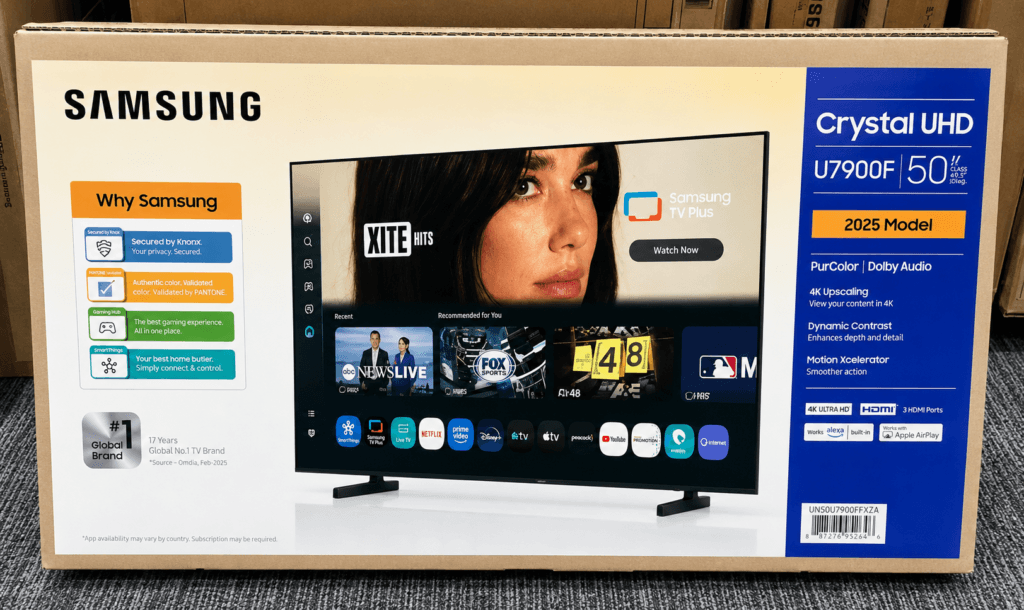
Samsung television packaging allegedly used Dua Lipa’s image without permission.
The lesson for companies is simple: image rights are not optional. Brands that use a celebrity’s image need specific permission for each use, including packaging, retail displays, and digital promotion. Snap that chain at any point, and the legal risk rises sharply.
For artists, this sort of case is about more than money. It’s about control over image, identity, and brand value. Today a celebrity’s face can be as valuable commercially as a product logo.
Background On Dua Lipa
Dua Lipa has established herself as one of the most marketable global pop stars of her generation. She has worked with brands like Puma, Versace, Yves Saint Laurent, Apple, Porsche, Chanel, and Nespresso.
Commercial appeal might mean companies want to attach themselves to her image. But that appeal also makes unauthorized use more serious, since any misuse can suggest she endorsed a product when she did not.
Her most recent album, Radical Optimism, was released in 2024, which means she remains very active and commercially visible. That visibility likely makes her likeness especially valuable to advertisers and product marketers.
Timeline Of The Dispute
2024: Samsung allegedly used the photo, which was taken at Austin City Limits Festival.
June 2025: Lipa says she first saw her face on Samsung TV boxes.
2025: Social media fans dubbed it the ‘Dua Lipa TV Box.’
Friday Filed in California
Update: Samsung says not intentionally mistreating, open to resolution.
This timeline implies the dispute metastasized over time, not that it sprang up overnight. This is important because it shows the problem was not just online talk, but it became a legal battle after many concerns, at least according to Lipa’s side.
How The Image Became A Problem
The core issue is likely not just that the photo appeared somewhere online, but that it was allegedly printed on retail packaging. Product boxes are physical sales tools, not temporary social media posts, so they can reach a much wider audience and imply a stronger connection between the celebrity and the brand.
Many consumers will assume that a celebrity on a product box is endorsing or has partnered with the brand. That is exactly why these disputes can be expensive and legally sensitive.
The fact that users started calling it the “Dua Lipa TV Box” is also a sign of how quickly marketing decisions can enter the public discourse. Samsung may not have wanted it to be, but once the image was talked about online, it became part of the brand story.
Analysis
This case is where entertainment law, branding, and consumer trust meet. Put simply, it asks whether a company can depend on third-party assurance when using a celebrity image in packaging—or if it must verify the rights in a more direct manner.
If Lipa’s allegations are true, the case might establish a precedent for stricter image licensing standards in product marketing. That would be important not only for Samsung but also for any company that uses celebrity content in advertising, packaging, or retail promotions.
If documents support Samsung’s version, the dispute may come down to partner liability and licensing screw-ups. In either case, the case shows how a minor approval failure can become a major legal issue when a global star is involved.
India-Focused Angle
For Indian readers, this case is relevant because brand collaborations and celebrity endorsements are a huge part of the market here. From smartphones to fashion and beverages, companies in India rely heavily on familiar faces to boost trust and sales.
That means the lesson is local too: businesses must be extremely careful about usage rights, especially when images are repurposed across channels. Yeh issue kaafi important hai because a photo approved for one platform may not automatically be approved for packaging, posters, or retail boxes.
Indian creators and artists are also increasingly aware of image ownership. As the creator economy grows, disputes over likeness, endorsement, and content rights are likely to become more common, not less.
What Next
The next step will likely depend on whether the two sides reach a settlement or continue through court. Samsung has already signaled openness to a constructive resolution, which suggests a settlement is possible if both sides want to avoid a lengthy legal process.
If the case moves forward, the court may examine licensing records, partner agreements, and copyright ownership of the festival photograph. That evidence will likely determine whether the image use was authorized and whether Samsung bears direct responsibility.
The lawsuit may also affect future marketing practices. Brands will probably become even more cautious about image approvals, especially when celebrity faces appear on consumer packaging.
Conclusion
Dua Lipa’s lawsuit against Samsung is more than a celebrity headline. It is a high-value dispute over image rights, packaging use, and the boundaries of brand promotion.
At the center of the case is a simple but powerful question: who controls a celebrity’s likeness once it enters the commercial world? The answer could have ripple effects across advertising, entertainment, and consumer branding for years to come.