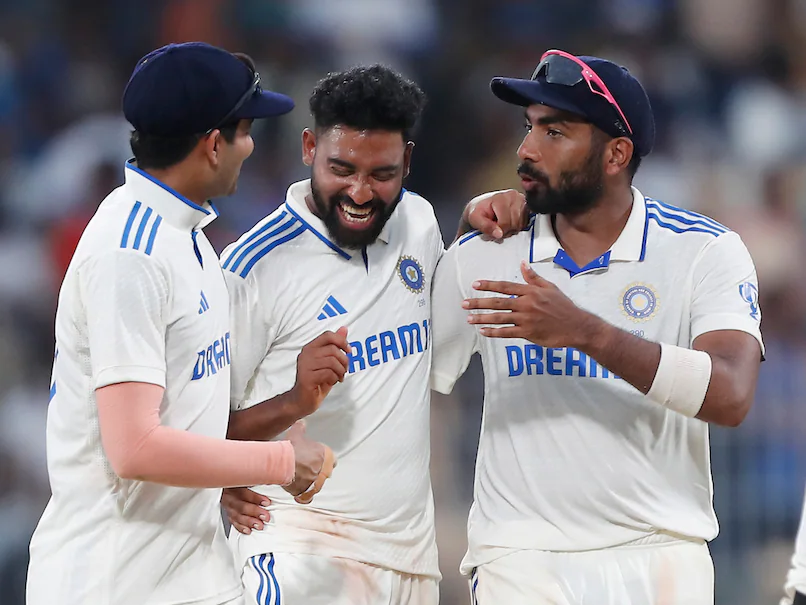
Afghanistan A pulled off a major upset by registering a four-run win over star-studded India A via the Duckworth-Lewis-Stern (DLS) method in a rain-hit Tri-Nation Series match in Dambulla on Thursday. Batting first, India A posted a daunting 349 for 9 in a rain-reduced 49-over innings. Prabhsimran Singh was the star with a blistering 84 off 69 balls, supported by half-centuries from captain Tilak Varma (66) and Ruturaj Gaikwad (66).
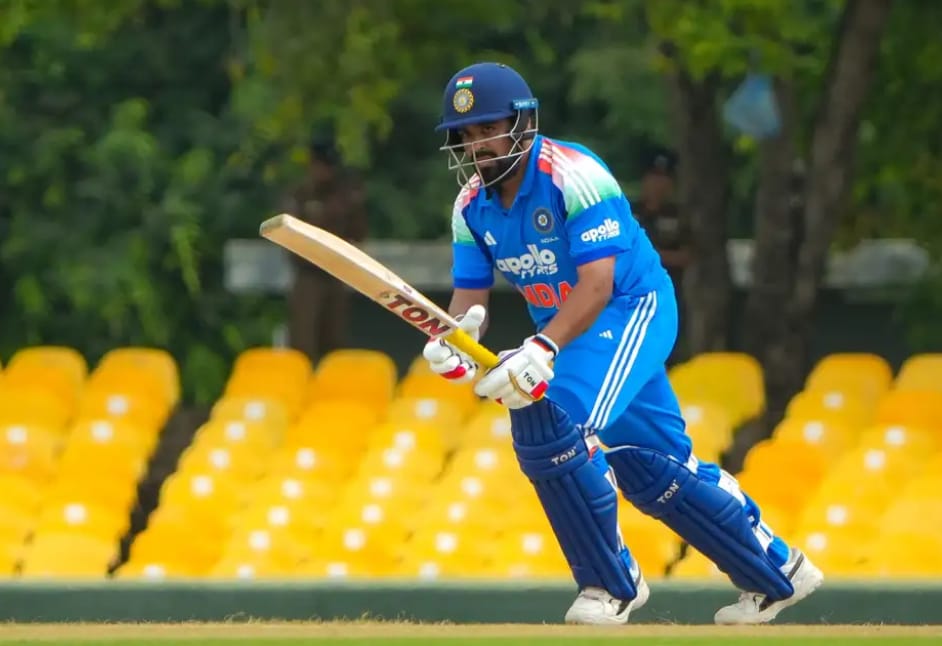
Prabhsimran Singh was the star, smashing a blistering 84 from 69 balls. Image Source: ESPNcricinfo
India A suffered a four-run loss (DLS method) at the hands of Afghanistan A in Dambulla on Thursday, marking a huge setback in the IND A vs. AFG A Tri-Nation Series 2026. Batting first, India A posted 349 for 9 in 49 overs, but due to persistent rain intervals, Afghanistan A’s target was revised to 294 runs from 38 overs using the DLS method.
Afghanistan A chased the revised target and secured a four-run win, causing a major upset against the star-studded India A. Prabhsimran Singh scored a blazing 84 off 69 balls, while captain Tilak Varma and Ruturaj Gaikwad contributed half-centuries (66 each). The loss leaves India A with a massive challenge ahead in the series, and the DLS outcome has added controversy to the match. Yeh match kaafi dramatic thi because rain and DLS changed the result despite India A’s strong batting performance.
How the Match Turned
India A batted first and put up a formidable score of 349 for 9 in 49 overs, reduced from the original 50 due to rain. Prabhsimran Singh led the charge with 84 off 69 balls, and Tilak Varma and Ruturaj Gaikwad supported with 66 each. The innings was aggressive and well-structured, but the rain interruptions disrupted the flow. NDTV Sports has covered the full story.
Afghanistan A’s target was revised to 294 runs from 38 overs using the DLS method, which accounts for lost playing time and adjusts the target based on resources available. Afghanistan A chased the revised target and won by four runs, causing a major upset. The DLS revision was the key factor in the result, as it changed the dynamics of the chase and gave Afghanistan A a more achievable target.
The match was marred by persistent rain intervals, which led to multiple delays and the reduction of overs. The rain affected both teams’ strategies, and the DLS method became the deciding factor. India A’s strong batting performance was not enough to secure the win due to the DLS revision, which is a rare and controversial outcome in ODI cricket.
Quotes and Statements
An India A fan said: “It’s a huge setback for India A. The batting was strong, but rain and DLS changed the result. We need to stay focused for the next match.”
An expert-style statement: “This was a controversial outcome due to the DLS method. India A’s batting was impressive, but the rain interruptions and DLS revision gave Afghanistan A a better chance. The loss is a setback, but the team needs to regroup and focus on the next match,” said a cricket analyst.
Afghanistan: A captain said, “This is a major upset for us. We chased the revised target well, and the team showed great resilience. The DLS method played a key role, and we’re proud of this win.”
DLS in ODI Cricket and Tri-Nation Series History
The Duckworth-Lewis-Stern (DLS) method is used in ODI cricket to adjust targets when play is interrupted by weather or other factors. It calculates the number of runs a team needs to score based on the resources (overs and wickets) available. The DLS method has been controversial in some matches, as it can change the outcome in ways that some fans and players find unfair.
Tri-Nation Series matches often face challenges due to weather, and the DLS method is a common tool to ensure the game continues. Past Tri-Nation Series have seen DLS outcomes that sparked debate, especially when the revised target favors one team significantly.
India A has been a strong performer in A-level cricket, but this loss to Afghanistan A is a rare setback. Afghanistan A has been improving in recent years, and this victory shows their growing competitiveness. The match is part of the IND A vs AFG A Tri-Nation Series 2026, which is a key platform for young players to showcase their skills.
Timeline
Pre-match: The IND A vs AFG A Tri-Nation Series 2026 begins in Dambulla.
India A batting: India A post of 349 for 9 in 49 overs (rain-curtailed).
Key batters: Prabhsimran Singh (84 off 69), Tilak Varma (66), and Ruturaj Gaikwad (66).
Rain intervals: Persistent rain causes multiple delays and overruns.
DLS revision: Afghanistan A’s target revised to 294 runs from 38 overs.
Afghanistan A chase: Afghanistan A chases the revised target and wins by four runs.
Result: India A suffers a four-run loss (DLS); Afghanistan A causes major upset.
Next: India A faces a massive challenge in the next match of the series.
Why This Matters
This matters because the DLS outcome is a controversial and rare result in ODI cricket, and it highlights the impact of weather on the game. The loss is a huge setback for India A, which could affect their confidence and series standing.
It also matters for Afghanistan A. The victory is a major upset and shows their growing competitiveness in A-level cricket. The win boosts their morale and could influence their performance in the rest of the series.
For society, this is a reminder that weather can change the outcome of a match, and the DLS method is a tool to ensure fairness. Yeh issue kaafi important hai because it shows how rain and DLS can affect the result and it highlights the need for better weather management in cricket.
India Angle
The India angle is strong because India A is a key team in A-level cricket, and this loss will be closely watched by Indian cricket fans. The star-studded lineup with Prabhsimran Singh, Tilak Varma, and Ruturaj Gaikwad makes the match more relevant for Indian audiences.
In Hinglish, seedhi baat yeh hai: when India A such a strong batting performance karta hai, toh yeh fans ko attract karta hai, but DLS and rain change the result. This loss is a setback for India A, and Indian fans will be concerned about the team’s performance.
For Indian readers, this is a reminder that A-level cricket is important for young players, and the Tri-Nation Series is a key platform for development. The loss to Afghanistan A is a rare setback, and it will be analyzed by fans and experts. The team needs to regroup and focus on the next match.
Analysis
My opinion is that this was a controversial and frustrating outcome for India A. The batting was strong, but rain and DLS changed the result. The loss is a setback, but the team needs to stay focused for the next match. The DLS method is a tool to ensure fairness.
The match highlights the impact of weather on cricket and the need for better weather management. The victory for Afghanistan A is a major upset and shows their growing competitiveness. Yeh issue kaafi important hai because it shows how rain and DLS can affect the result and it highlights the need for better planning in cricket.
What Next
India A will face a massive challenge in the next match of the series, and they will need to regroup after this setback. The team will focus on improving their strategy and adapting to weather conditions.
Afghanistan A will aim to maintain their momentum and continue their strong performance. The victory boosts their morale, and they will look to build on this win in the rest of the series.
The Tri-Nation Series will continue with more matches, and the DLS outcome has added controversy to the contest. Fans will be excited for the upcoming games, and the series is off to a thrilling start.
Conclusion
India A’s four-run loss (DLS method) to Afghanistan A in Dambulla is a huge setback in the IND A vs AFG A Tri-Nation Series 2026. Prabhsimran Singh’s 84, Tilak Varma’s 66, and Ruturaj Gaikwad’s 66 powered India A’s batting, but rain interruptions and the DLS revision gave Afghanistan A a better chance.
Yeh match kaafi dramatic thi because rain and DLS changed the result despite India A’s strong batting performance. The loss is a setback for India A, and the team needs to regroup for the next match. Afghanistan A’s victory is a major upset and shows their growing competitiveness. This match highlights the impact of weather on cricket and the need for better weather management.
Written By A. Jack