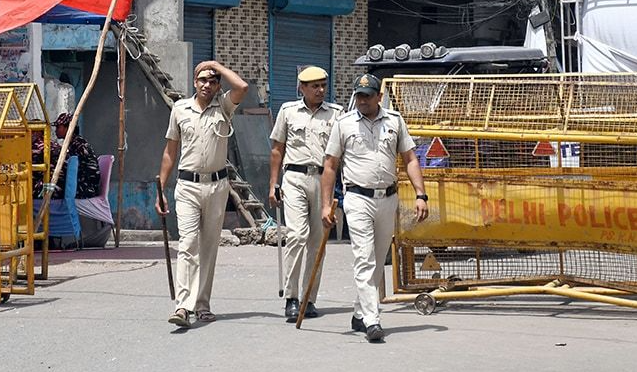
A horrifying alleged sexual assault case involving a three-year-old girl at a private school in west Delhi’s Janakpuri has triggered public outrage, legal scrutiny, and a fresh debate over child safety in schools. The accused, a 57-year-old school staff member, was arrested and later granted bail by a Dwarka court on May 7, even as police and political leaders traded sharp allegations over the investigation.
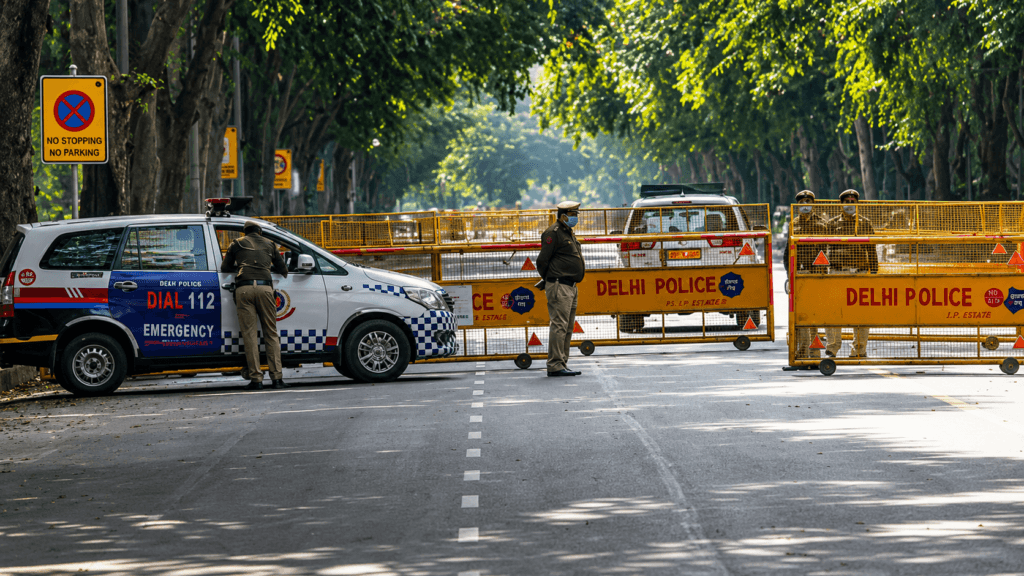
West Delhi: Police take legal action after alleged sexual assault of a 3-year-old inside a private school in Janakpuri.
Janakpuri School
The case came to light on May 1 after the victim’s mother filed a complaint at the Janakpuri police station, alleging that her daughter was sexually assaulted during school hours on April 30, just the second day after admission. What makes this case especially disturbing is that the alleged assault reportedly took place inside a school environment, a place where parents expect children to be safest.
What Happened
According to the complaint, the child returned home from school complaining of pain. When her mother asked what had happened, the three-year-old allegedly said she had been taken to an isolated area inside the school where a 57-year-old caretaker assaulted her. Based on the child’s identification and the complaint, police registered a case under Section 64(1) of the Bharatiya Nyaya Sanhita and Section 6 of the POCSO Act. NDTV has covered the full story.
Police arrested the accused on May 1 and later produced him before a court, which sent him to judicial custody. However, the accused was granted bail by a Dwarka court on May 7, despite opposition from the prosecution. That bail decision has become one of the most controversial aspects of the case, especially because the victim is only three years old and the alleged assault took place during school hours.
Why The Case Has Triggered Outrage
The outrage is not just about the alleged crime, but also about the age of the child, the location of the incident, and the perception that a trusted institution may have failed to protect her. A school is supposed to be a controlled and supervised environment, yet this case suggests that access and oversight may have been seriously inadequate.
The mother alleged that no proper action was taken immediately after the matter was reported and claimed that she and the child were made to wait for hours at the police station during the inquiry. She also said a teacher was involved and was questioned during the investigation. These allegations have intensified the public response, because in child abuse cases, the speed and sensitivity of the first response matter a great deal.
Police Response
The Delhi Police have strongly denied allegations of delay, intimidation, or mishandling. A statement from the office of DCP (West) Vichitra Veer said the action was taken immediately after the girl was medically examined and that the accused was arrested after the victim identified him the same day.
The statement also said CCTV/DVR footage and other exhibits were seized in accordance with the law. Police added that the investigation was fair, professional, and impartial, based on scientific evidence, forensic examination, and witness statements. In an important rebuttal, the police also rejected claims that the family had been harassed or that the DCP had met the parents, saying those allegations were false and baseless.
This clash between the complainant’s version, political criticism, and police denial shows how sensitive and politically charged child abuse cases can become almost immediately. But beneath that public dispute is one central fact: a very young child has allegedly suffered abuse inside a school, and that alone is enough to demand serious attention.
Background And Context
The POCSO Act exists to protect children from sexual offenses and ensure swift, child-sensitive investigation and prosecution. Cases involving children as young as three are especially alarming because at that age a child may not be able to fully explain what happened, making forensic evidence, immediate medical examination, and prompt questioning even more important.
Schools in India are expected to follow child safety norms, but implementation is often inconsistent. Many parents assume admission into a private school automatically means stronger security, better surveillance, and safer supervision. This case has shaken that assumption in a very disturbing way. Yeh issue kaafi important hai because it goes to the heart of parental trust, not just criminal law.
Timeline
April 30: The child goes to school on the second day after admission and later returns home with pain.
May 1: The mother files a complaint at the Janakpuri police station.
May 1: Police arrest the 57-year-old school staff member after the child identifies him.
After arrest: The accused is produced before court and sent to judicial custody.
May 7: A Dwarka court grants the accused bail despite prosecution opposition.
After bail: Police say they are examining the detailed bail order and considering further legal remedies.
This sequence shows how quickly a school-related complaint can turn into a major legal and public safety issue.
Also Read: 5-Year-Old Survives Alleged Attack by Father, Helps Police Solve Sister’s Murder in Pune Forest
Political Reaction
AAP leader Saurabh Bharadwaj strongly criticized the granting of bail and echoed the mother’s allegations. He claimed the DCP West threatened the family members instead of cooperating with them. He also framed the case as an example of how vulnerable young children can be in private school settings, saying that a child had gone to nursery and returned home only for the family to discover a grave allegation involving a caretaker.
Political reactions often intensify public attention, but they also reflect a wider social anxiety: if schools cannot guarantee safety for toddlers, what does that mean for millions of parents across Delhi and India? This is not just a party-versus-police story. It is a trust-versus-accountability story.
Why This Matters
This matters because the alleged victim is only three years old, which means she is among the most vulnerable categories of child victims. Children that young cannot independently explain danger, understand legal rights, or protect themselves in high-risk situations. They depend entirely on adults and institutions.
It also matters because schools are expected to be safe spaces. If allegations like this are proven, it points to a grave institutional failure. Parents across India already worry about transport safety, teacher conduct, CCTV coverage, and background checks for staff. This case has now added another layer of concern: not just who is teaching or caring for children, but how closely staff are monitored throughout the school day. That is why this case has broader national relevance, not just local outrage.
India Angle
For Indian families, especially in metro cities like Delhi, private schools are often seen as a step up in safety and quality. But this case reminds us that premium fees do not automatically guarantee child protection. Real safety depends on systems: camera coverage, restricted access, background verification, reporting protocols, and quick complaint handling.
There is also a legal angle. POCSO cases are supposed to be handled with urgency and sensitivity, but bail decisions can become deeply controversial when the victim is extremely young and public trust is already fragile. The Delhi case will therefore be watched closely by child rights groups, parents, and legal observers across India. In everyday terms, yeh sirf ek local crime story nahi hai; it is a national child-safety alarm.
Analysis
My reading is that this case is likely to remain contentious because the police and the complainant are presenting different pictures of the response. That tension matters, but the larger issue is more basic: when allegations concern a three-year-old, every hour matters, every medical record matters, and every piece of CCTV footage matters. If the school system failed, that needs correction. If the response system failed, that needs correction too. In cases like this, the public does not just want arrests; it wants assurance that the same thing will not happen again.
What Next
The next step will be the police examination of the court’s detailed bail order and a decision on whether to pursue further legal remedies. Investigators are also continuing to review CCTV/DVR footage and other evidence from the school premises.
At the same time, the school will likely face scrutiny over its security arrangements, staff access, and supervision practices. The child’s statement, medical evidence, and forensic materials will remain central to the case. Public pressure may also lead to broader calls for tighter school safety norms, especially for nursery and pre-primary children. If those reforms follow, this case may at least push institutions to become more vigilant.
Conclusion
The Janakpuri case has become one of those stories that forces uncomfortable but necessary questions about child safety in schools. A three-year-old girl was allegedly assaulted by a 57-year-old staff member, the accused was arrested, and then a bail order triggered fresh public criticism and political outrage.
What makes the case especially serious is not only the allegation itself but also the setting—a private school that parents trusted for a child’s first days of learning. Whether the legal process eventually confirms or challenges the allegations, the larger message is already clear: India must treat child safety as non-negotiable, especially in spaces where families assume their children are protected.
Written By A. Jack