
A man in Maharashtra’s Beed district allegedly died by suicide after he was slapped by a woman in public, police said on Sunday. The incident has triggered an investigation, with officers now recording witness statements and examining the sequence of events that led to the tragedy.
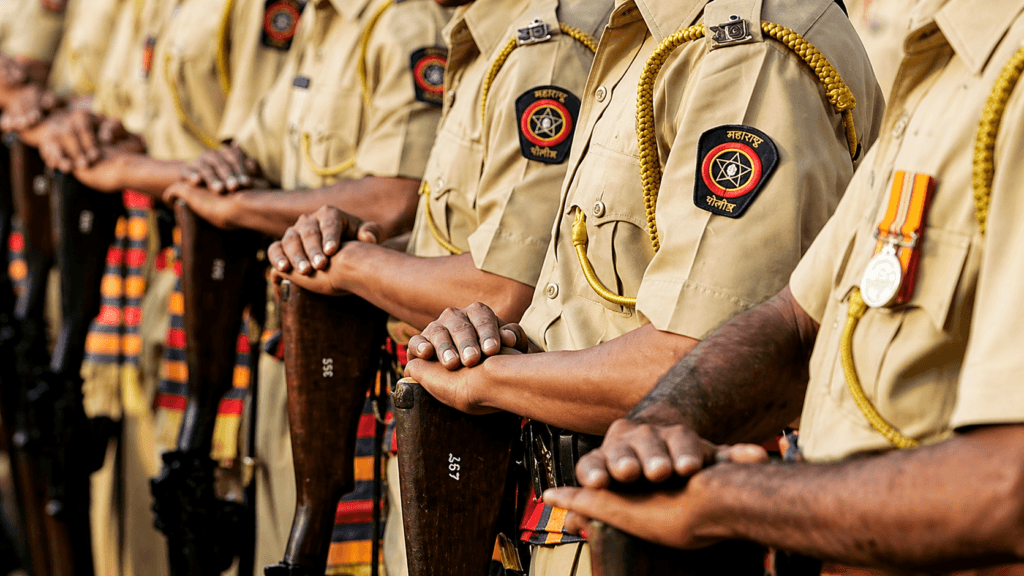
Police investigation underway in Beed district after a public altercation reportedly ended in a suicide case.
Maharashtra Beed Suicide Case
A disturbing case from Maharashtra’s Beed district has drawn attention after a man allegedly ended his life days after being slapped by a woman in front of others. According to police, the incident took place in Moha village in Parli Vaijnath tehsil on May 13, and the man, identified as Chandrahar Rajebhau Shinde, died by suicide on May 15 in the Mungalyachamala area on the outskirts of Karewadi village.
Police said the slapping incident left him emotionally disturbed. Before taking the extreme step, Shinde reportedly called his father and told him it was his last call. The woman involved has been booked, and investigators are now trying to establish the exact chain of events. This is a deeply sensitive matter because it raises questions not only about the incident itself but also about public humiliation, emotional distress, and the fragile line between conflict and crisis.
What Happened
As per the police account, the matter began on May 13 in Moha village, where the woman allegedly slapped Shinde in the presence of others. The public nature of the act appears to have had a strong emotional impact on him. Two days later, he allegedly hanged himself in an area on the outskirts of Karewadi village. NDTV has covered the full story.
The police official said Shinde was “deeply distressed” after the slapping incident. That detail is important because it suggests the case is being viewed not just as a personal tragedy, but also as a possible consequence of humiliation and mental anguish. At this stage, the police are treating it as a suicide case and are investigating whether the public altercation directly contributed to his death.
The official also said that witness statements and accounts from Shinde’s family members are being recorded. That means the police are trying to understand whether there were any prior disputes, whether the public slap was the only trigger, or whether other personal factors were also involved. In such cases, the full picture often emerges only after a detailed probe.
Police Statement
According to the Sirsala police station official, the slapping incident reportedly left Shinde emotionally disturbed. The officer also said that before dying, Shinde phoned his father and told him it was his final call. This detail is particularly tragic because it indicates he may have been in severe distress in the hours before his death.
The police have booked the woman who allegedly slapped him. However, booking someone does not by itself settle the matter; it only means the authorities believe the act is serious enough to require formal legal scrutiny. Investigators are now trying to determine the exact legal and factual context. In cases like this, police typically look at witness statements, phone records, family accounts, and the sequence of events leading up to the suicide.
Background
Maharashtra has seen several cases in recent years where personal disputes, public humiliation, or emotional pressure have escalated into criminal probes or suicide investigations. The Beed district in particular often draws attention for social and family-related conflicts that become public incidents. While every case is different, one common thread is that moments of shame or conflict in front of others can have a severe psychological impact.
In India, the social cost of public embarrassment can be very high. For many people, especially in smaller towns and villages, being insulted in front of a crowd is seen as deeply damaging. That does not make suicide understandable or inevitable, but it does explain why police often examine the emotional context in addition to the physical act. In this case, the fact that the incident and the death were only two days apart makes the timeline especially relevant.
Timeline
May 13: The woman allegedly slapped Chandrahar Rajebhau Shinde in public in Moha village.
Between May 13 and May 15: Shinde reportedly became emotionally disturbed.
May 15: He allegedly hanged himself in the Mungalyachamala area near Karewadi village.
May 18: Police confirmed the incident and said a probe was underway.
Current stage: Witness statements and family accounts are being recorded.
Also Read: Maharashtra Seeks Removal of Uber, Ola and Rapido Apps Over Alleged Illegal Bike Taxi Services
Why This Matters
This matters because it sits at the intersection of mental health, public behavior, and the criminal justice process. A public altercation can never be seen as harmless when it leads to someone taking their life. The case also shows how quickly humiliation, anger, and distress can spiral in a community setting if no one intervenes early.
It is also important because suicide cases are always complex. There is rarely one single cause. Emotional stress, personal disputes, social pressure, and mental health vulnerabilities can all combine. When a person says “this is my last call,” it reflects a moment of deep despair that may have been avoidable with timely support or intervention. Yeh issue kaafi important hai because it reminds society that words and actions in public can have serious consequences.
India Angle
For Indian readers, especially in rural and semi-urban contexts, this case hits close to home because public image and social respect carry huge emotional weight. In many parts of India, being insulted or slapped in public is not seen as just a small argument — it is treated as a serious loss of face. That cultural reality often shapes how people respond to conflict.
At the same time, the case also brings attention to mental health awareness in India. Emotional distress is still not spoken about enough, especially among men who are often expected to “stay strong” and not express vulnerability. This tragedy shows why it is crucial to normalize support, counseling, and crisis response. In simple Hinglish, yeh sirf ek dispute nahi tha; it became a painful reminder of how mental pressure can turn dangerous if ignored.
Analysis
My view is that the most important lesson here is not to rush to judgment. The police are still investigating, and the exact cause of Shinde’s death may involve more than one factor. Still, the public slap appears to have played a major role in his emotional state, based on the police statement. As a society, we often underestimate the impact of humiliation. One moment of anger, especially in front of others, can leave a lasting mark. The larger editorial takeaway is that conflict resolution and emotional awareness are not “soft” issues—they can be life-saving.
What’s Next?
The next step is the police investigation, which will likely focus on witness statements, the woman’s version of events, and any background dispute between the two sides. Investigators may also examine the phone call to Shinde’s father and the timing of his death to establish the emotional chain leading up to the tragedy.
Depending on what the probe reveals, further legal sections could be added or modified. The case may also prompt local discussion around public conduct, women’s safety, men’s mental health, and the consequences of public humiliation. More broadly, it could become another reminder for families and communities to treat signs of emotional distress seriously rather than assuming a person will simply “move on.”
Conclusion
The Beed district case is a heartbreaking reminder that public humiliation can have devastating emotional consequences. Police say Chandrahar Rajebhau Shinde took his life two days after being slapped by a woman in public, and the matter is now under investigation.
While the full legal and factual picture is still being built, the tragedy has already highlighted the importance of empathy, restraint, and mental health awareness. In a society where conflict can quickly become public, this case underlines a simple truth: words and actions carry weight, and sometimes that weight can be unbearable.
Written By A. Jack