US forces disabled an unladen oil tanker with 24 Indian crew members on Monday, June 8, in the Gulf of Oman after Washington said the vessel was trying to breach a US-imposed blockade of Iranian ports. Omani authorities later rescued the sailors and took them ashore to Masirah Island. New Delhi has issued no direct public response so far to the US action.
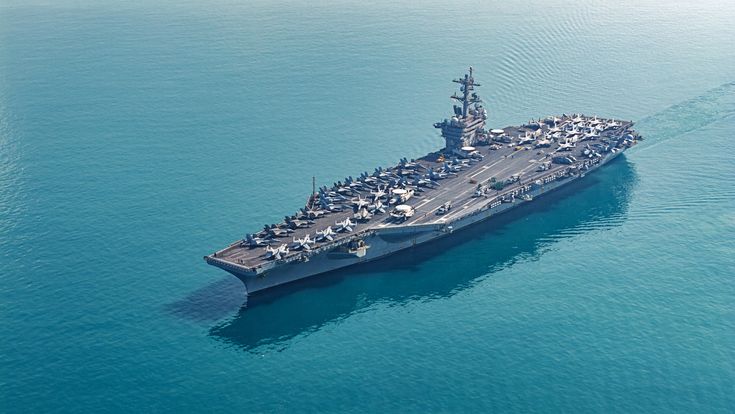
This image is only for illustrations.
MT Marivex An unladen oil tanker carrying 24 Indian crew members was disabled by US forces in the Gulf of Oman on Monday, June 8, after Washington said the vessel was attempting to breach a US-imposed blockade of Iranian ports. Omani authorities later rescued the sailors and took them ashore to Masirah Island, while New Delhi has so far issued no direct public response to the US action.
What Happened and Where
US Central Command said an F/A-18 fighter from the USS Abraham Lincoln struck the Palau-flagged oil tanker MT Marivex in the Gulf of Oman on June 8 after the ship allegedly failed to comply with repeated directions and was attempting to sail to an Iranian port. The Marivex carried 24 Indian nationals who were subsequently rescued by Omani authorities and transported to Masirah Island. The Wire has covered the full story.
The Indian embassy in Muscat confirmed appreciation for Oman’s help, and New Delhi has not made a direct statement condemning or endorsing the US action beyond routine calls for de‑escalation in the wider region.
How the Strike Occurred
The US Central Command (CENTCOM) said the Marivex was attempting to sail to an Iranian port in breach of a US blockade and that the crew failed to comply with directions from US forces; CENTCOM publicly posted a brief account of the precision strike. Indian government sources and shipping ministry updates initially confirmed a fire aboard the vessel and said authorities were investigating whether the ship had been hit by a projectile.
Ship-tracking data shows the Marivex had departed Karwar, Karnataka, on May 24 and was bound for Duqm, Oman. US officials say the vessel had been sanctioned by OFAC, the US Treasury’s Office of Foreign Assets Control, and had previously turned back three times after US warnings before attempting to run past the blockade again.
The Forward Seamen’s Union of India published video clips purportedly from the Marivex showing smoke and crew evacuation by helicopter, and the union later said the Indian crew were taken to Masirah Island. Oman carried out the sea and air rescue and materially assisted the Indian nationals aboard.
Key Statements and Reported Remarks
CENTCOM said US forces disabled the Marivex after the crew failed to comply with directions from US forces while attempting to sail to an Iranian port and that the vessel is no longer sailing to Iran. The Indian Embassy in Muscat thanked Omani hosts for their assistance in rescuing and ensuring the safety of 24 Indian nationals aboard the Marivex.
The Forward Seamen’s Union of India said the crew were in contact with them; footage shows smoke and evacuation, and their priority is the safety of seafarers and ensuring repatriation. A shipping ministry source said authorities are trying to ascertain whether Marivex was struck by a projectile and that initial reports speak of fire aboard the vessel.
A maritime security analyst noted that disabling a sanctioned merchant vessel that repeatedly attempts to breach a blockade is consistent with coercive interdiction operations and that protecting merchant mariners while enforcing sanctions is a legal and operational challenge for navies.
Background and Regional Context
The incident occurs against the heightened backdrop of a widening West Asia conflict and a US blockade of Iranian ports, imposed in response to Iran’s actions in the region and its blockade of the Strait of Hormuz. The US says its measures are intended to prevent sanctioned shipping to and from Iranian facilities, while Tehran views such measures as unlawful coercion.
Since the start of the broader conflict, ties between naval operations, sanctions enforcement, and merchant shipping safety have become increasingly fraught, and several commercial vessels have been targeted, seized, or disabled in recent months by various actors.
The Marivex episode adds to a string of incidents involving commercial and non-combatant vessels caught between naval interdictions and blockades, raising complex legal questions about freedom of navigation, extraterritorial sanctions, and seafarer safety.
Why This Matters
The event places 24 Indian seafarers at real personal risk, and their safe rescue is the immediate priority. Merchant mariners are often non-combatant civilians who become collateral victims when naval coercion escalates, and this incident will heighten anxiety among Indian seafarers and their unions about safety and the adequacy of consular protection in high-risk maritime zones.
The use of a precision munition to disable a merchant vessel raises thorny legal questions around the thresholds for force against noncombatant shipping, especially where unilateral sanctions enforcement and naval blockades are involved, and states and maritime insurers will scrutinize implications for the safety of navigation and merchant rights.
India Angle
For India, thousands of seafarers and tens of thousands working in merchant shipping, yeh incident kaafi important hai because crew safety and timely repatriation are immediate concerns. The Marivex’s crew were Indian nationals rescued by Oman, and Delhi’s consular machinery will now focus on welfare, medical checks, and return logistics.
India’s energy imports and trade interests depend on secure sea lanes, and repeated interdictions and naval operations near the Strait of Hormuz and Gulf of Oman can directly affect petrol and LPG prices and shipping costs in India. Isliye, New Delhi’s diplomatic balancing act is both strategic and economical.
Analysis
The Marivex incident exposes the tension between sanctions enforcement and protection of civilians at sea. While the US frames the action as a legitimate interdiction of a sanctioned vessel that repeatedly ignored warnings, the human fallout with 24 crew members endangered and the need for an international rescue underscore why coercive maritime tools carry high reputational and humanitarian costs.
Expect Delhi to pursue robust behind‑the‑scenes diplomacy rather than public confrontation, and yeh approach pragmatic hai, but it will draw scrutiny from domestic audiences asking for clearer public protection of Indian mariners.
What Next
India will prioritize the safe return of the 24 rescued crew, medical checks, compensation, and legal assistance, led by the Ministry of External Affairs and consular teams in Muscat. The Forward Seamen’s Union may press for formal assurances and support. Expect quiet diplomacy as India will likely engage with Oman, the US for clarifications and consular protection, and potentially Iran to underscore the safety of Indian seafarers.
Any public statement from New Delhi beyond standard calls for calm would be closely parsed. The ship’s owners, insurers, and the Palau flag registry may face claims and investigations, and maritime legal questions about use of force against merchant shipping could prompt commentary from international maritime lawyers.
The strike could accelerate further naval interdictions, reprisals, or copycat actions in the shipping lanes if Iran, the US or proxies change tactics, raising the risk for commercial traffic and pushing up insurance premiums. India may revisit advisories for merchant crews and flag-state arrangements and engage multilaterally through the IMO and ILO on seafarer protection and rules of engagement in contested waters.
Final Thoughts
The disabling of the MT Marivex by US forces and the rescue of 24 Indian crew by Oman are stark instances of how geopolitical conflict plays out on the seas, endangering civilian mariners, complicating trade, and forcing delicate diplomatic choices.
New Delhi’s immediate priority will be the welfare and repatriation of its nationals, and its longer-term challenge is to secure sea-lane safety for Indian trade and seafarers without being drawn into public diplomatic confrontation. Yeh issue kaafi important hai because it tests India’s ability to protect citizens abroad while managing complex strategic relationships in a volatile region.
Written By A. Jack