
Mumbai will face a 10% cut in water supply from May 15, with Thane and Bhiwandi-Nizampur also set to receive reduced flow as reservoir levels continue to drop. The civic body says the move is precautionary for now, but further cuts cannot be ruled out if the monsoon is delayed.
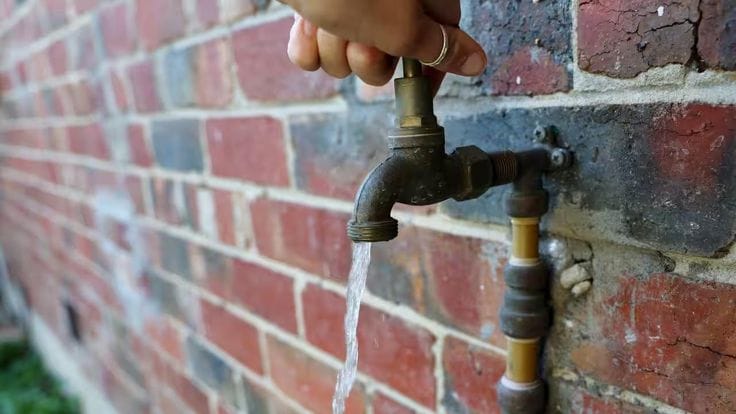
Mumbai residents may need to prepare for reduced water supply from May 15 as the BMC announces a 10% cut across the city and nearby municipal areas.
Mumbai Water Cut
Mumbai is heading into a tougher water-management phase this summer as the Brihanmumbai Municipal Corporation has decided to reduce supply by 10% across the city starting Thursday. The cut will also affect Thane and Bhiwandi-Nizampur, both of which draw water from BMC supplies, and officials say the step is necessary because reservoir levels have dropped to just 23.52% of the city’s annual requirement.
The good news, according to civic officials, is that there is no immediate panic situation. Bhatsa and Upper Vaitarna reservoirs still hold additional reserve water, which gives the city some breathing space. But the message is clear: until the monsoon fills the lakes again, Mumbai residents will have to manage with less water.
What The Cut Means
A 10% cut may sound small, but in a city as large and densely populated as Mumbai, even a modest reduction can be felt in daily life. It means households may get lower pressure, storage tanks may empty faster, and water-dependent routines may need to be adjusted. News18 has covered the full story.
The cut is citywide, and no ward exemptions have been announced. That means everyone will need to adapt, whether they live in residential societies, chawls, standalone buildings, or business districts. In practical terms, the reduction will likely show up first in peak usage hours, when demand is highest.
Neighboring Thane and Bhiwandi-Nizampur Municipal Corporations, which rely on BMC supply, will also experience reduced flow from May 15. So this is not just a Mumbai story—it is a wider urban water-management issue across the metropolitan region.
Why BMC Took This Step
The main reason is the falling reservoir stock. Officials say the water available is now at 23.52% of the city’s annual requirement. That number is significant because it reflects how much of the supply cycle is already under stress before the monsoon has fully arrived.
BMC has linked the situation to a dry weather outlook associated with El Niño and Indian Ocean Dipole conditions. In simple language, these climate patterns can affect rainfall distribution and delay the refill cycle for lakes and reservoirs. Since no early monsoon relief is guaranteed, the civic body is choosing to reduce usage now rather than risk a bigger shortage later.
This is a classic example of preventive water management. The logic is simple: reduce consumption a little today so the city does not face a much bigger crisis tomorrow. Yeh issue kaafi important hai because water shortages tend to worsen quickly once supply buffers are exhausted.
Are There Any Safeguards?
Yes. The BMC says there is no cause for panic at this stage because the Bhatsa and Upper Vaitarna dams have additional reserve water. That reserve is what allows the city to continue basic supply even while the overall system is under pressure.
But reserve water is not an unlimited safety net. It buys time, not immunity. If monsoon rains are late or weaker than expected, the civic body may have to consider deeper cuts. Officials have already said that further reductions cannot be ruled out if rainfall underperforms.
That is why the current 10% cut should be seen as a warning sign rather than a temporary inconvenience. It is Mumbai’s way of adjusting early before the situation becomes more serious.
What Residents Should Do
The civic advisory encourages households and businesses to reduce waste immediately. The suggested measures are practical and easy to follow:
Run washing machines only with full loads.
Fix leaking taps immediately.
Wash vehicles with a bucket instead of a running hose.
Check that overhead tanks are not overflowing.
Cut unnecessary water use in hotels, restaurants, and commercial establishments.
These may sound like small steps, but together they can make a meaningful difference. A dripping tap, for example, can waste liters of water in a day. In a city facing a 10% cut, such small savings matter more than ever.
Also Read: Shocking Breakthrough: 3 Arrested from UP, Bihar in Suvendu Adhikari Aide Murder Case
Background And Context
Mumbai has faced water stress before, but this year’s situation is being watched closely because of the broader climate outlook and the city’s heavy dependence on a limited reservoir system. The city’s annual water planning depends on the monsoon filling major lakes in time and in sufficient quantity. When rainfall is delayed, the system quickly becomes tighter.
What makes this case particularly important is that the cut is arriving before the monsoon has fully set in. That means the civic body is trying to protect the city from a deeper shortage later in the season. In urban water management, early restraint is usually better than late emergency rationing.
The pressure is also not just residential. Commercial establishments, hospitality businesses, and larger institutions tend to consume significant quantities of water, and the BMC has now put them on notice to curb unnecessary usage. That shows the supply issue is being treated as a shared responsibility rather than only a household problem.
Timeline
Now: Reservoir levels fall to 23.52% of the city’s annual requirement.
May 15: BMC begins a 10% water cut across Mumbai.
May 15 onward: Thane and Bhiwandi-Nizampur also see reduced supply.
Coming weeks: BMC monitors reservoir levels daily and relies on reserves from Bhatsa and Upper Vaitarna.
If monsoon is delayed: Further cuts may be introduced.
This timeline shows that the city is already moving into a tight water-saving mode ahead of any rainfall relief.
Why This Matters
This matters because water is the most basic urban utility, and even a small reduction affects daily routines, hygiene, and business operations. Families may need to adjust bathing schedules, storage use, and cleaning habits. Housing societies may need to rethink tank management. Small businesses like restaurants, salons, and laundries may also feel the pressure.
It also matters because water cuts are often a warning about bigger climate and infrastructure issues. When reservoir levels fall before the monsoon, it exposes how vulnerable a megacity can be to weather variation. For Mumbai, a city that never really slows down, water stress can quickly become a public health and quality-of-life issue. In simple terms, this is not just a civic notice—it is a reminder that urban life depends on careful resource management.
India Angle
For Mumbai residents, this announcement will be felt across homes, offices, and neighborhood societies. The city’s fast pace often hides how much planning goes into making water available every day. Many households already depend on storage tanks, pump timing, and fixed supply windows, so even a 10% cut can become noticeable within days.
The local angle is also about shared discipline. Mumbai is used to crowds, pressure, and tight space, but water is one resource where small personal habits matter a lot. If one building wastes water, another may suffer lower pressure. That makes this a very real Mumbai problem, not just an administrative one. Yeh city ka daily routine directly affected hoga, especially in dense residential and commercial pockets.
Analysis
My view is that BMC is trying to avoid a bigger crisis by acting early. That is a sensible strategy, but the real success of the move will depend on communication and compliance. If residents and businesses do not take the advisory seriously, the 10% cut could have more disruptive effects than necessary. On the other hand, if Mumbai adjusts early, it may be able to stretch supplies until the monsoon brings relief.
What Next
The next step is daily monitoring of lake levels and supply distribution across the city. The BMC will likely keep reviewing reservoir data and rainfall forecasts to decide whether the 10% cut is enough or whether the situation needs more strict measures.
Residents should expect public advisories, possibly more reminders from housing societies and local ward offices, and continued emphasis on conservation. If rainfall arrives on time and the reservoirs refill, the cut may remain temporary. If the monsoon delays or disappoints, Mumbai could face additional restrictions. In that sense, the next few weeks will decide whether this is a manageable summer adjustment or the beginning of a bigger water crisis.
Conclusion
Mumbai’s 10% water cut from May 15 is a preventive step driven by falling reservoir levels and an uncertain weather outlook. While the BMC says there is no immediate panic because reserves remain in Bhatsa and Upper Vaitarna, the city is clearly entering a tighter supply phase that will affect households, businesses, and nearby municipal areas.
For residents, the message is straightforward: conserve now, because the system has limited room for error. A little discipline at home and on business premises can help ease the strain until the monsoon arrives. Mumbai has weathered shortages before, but this time the best response is early caution, not late reaction.