
Alternate-day water cuts begin Monday in Pune to beat possible shortage due to late monsoon, low dam storage, El Nino fears; swimming pools, vehicle washing centres to be shut in Pune city. The Pune Municipal Corporation (PMC) has ordered the closure of these facilities and construction sites must not use civic water or action will be taken.
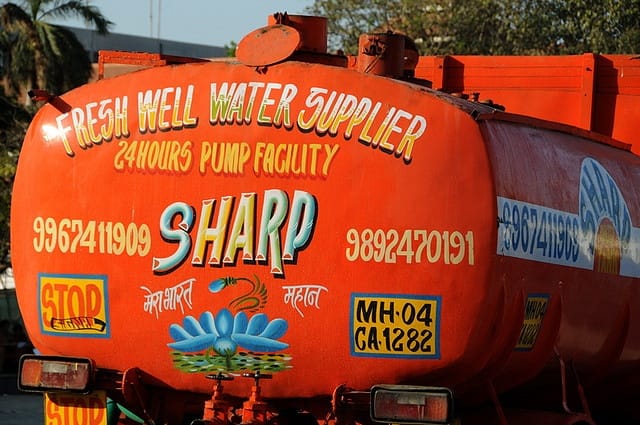
This image is only for illustration.
Pune city is bracing for water cuts—an alternate-day supply starting Monday—to tackle a possible shortage due to delayed monsoon and predicted deficit rainfall. The city gets most of its water from four dams—Khadakwasla, Panshet, Varasgaon, and Temghar—and a little from Bhama Askhed and Pawna dams. The Maharashtra Water Resources Department informed PMC that the city needs to cut consumption to ensure storage lasts until the end of August.
PMC directed closure of vehicle washing centers and swimming pools; construction sites must not use civic water, violations lead to action. Only 5,000 TMC of water in four dams, with only 3 TMC available for the city. Civic body draws 1,550 MLD, reduced by 400 MLD with the water cut. Area getting water from Bhama Askhed dam will not be cut now as residents already get muddy water. Nagpure appealed to tanker providers not to increase rates.
Why and HOW the Event Happened
Pune faces a water shortage due to low dam storage—only 5,000 TMC in four dams (Khadakwasla, Panshet, Varasgaon, and Temghar), with only 3 TMC available for the city. The Maharashtra Water Resources Department informed PMC that the city must cut consumption to ensure storage lasts until the end of August, considering the delayed monsoon onset and predicted low rainfall. The Indian Express has covered the full story.
The India Meteorological Department (IMD) revised the monsoon forecast for June to September: The seasonal monsoon is expected to receive 90 to 95% of rainfall; less than 90% is also possible. The El Niño effect is expected to impact the monsoon. Municipal Commissioner Naval Kishore Ram said drinking water should not be used for construction; instead, use water from sewage treatment plants (STP), borewells, or wells. Housing societies must keep STPs operational and use recycled water.
PMC directed closure of vehicle washing centers and swimming pools; construction sites must not use civic water. violations lead to action. Water cut will be implemented area-wise and cautiously to avoid technical issues like pipeline bursts. Resuming supply after closure in parts often prevents water reaching the last destination. Nagpure appealed to tanker providers not to increase rates.
Quotes and Statements
Municipal Commissioner Naval Kishore Ram said: “The India Meteorological Department (IMD) has released its revised monsoon forecast for the period from June to September. The country’s seasonal monsoon is expected to receive around 90 to 95 per cent rainfall. Rainfall below 90 per cent is also possible. The El-Niño effect is also expected to have an impact on the monsoon.
” He said: “Drinking water supplied by the civic body should not be used for construction work; instead, water from sewage treatment plants (STP), borewells, or wells should be used.” He added: “Housing societies should mandatorily keep the STPs operational and use recycled water. Hotels, restaurants, and hostels should also save water in every possible way, and grey water—generated from domestic use—should be recycled for gardening or irrigation.”
A Pune resident said, “This is a tough situation, but we understand the need for conservation. We will use water carefully and avoid wastage.”
A water conservation expert commented: “Pune’s water crisis is a result of low dam storage and delayed monsoon. Closing pools and washing centers, using recycled water, and area-wise cuts are effective measures. Residents’ cooperation is key.”
Background and Context
Pune faced a severe water crisis in 2013-14, when a year-long water cut was introduced due to a bad situation. Precautions are being taken now to avoid worsening. The city’s water supply depends on four dams, with storage at critical levels.
Monsoon delays are common in recent years, affecting dam recharge. The revised IMD forecast predicts 90 to 95% rainfall, with below 90% possible, with El Niño’s impact. This adds to uncertainty.
Dam storage trends show declining levels, with only 5,000 TMC in four dams and 3 TMC available for the city. The civic body’s reduction of 400 MLD from 1,550 MLD is a significant conservation measure.
Timeline
2013-14: Pune faced a year-long water cut due to a bad situation.
Pre-2026: Dam storage declined to low levels.
2026 (June): Maharashtra Water Resources Department informs PMC of needed consumption cut.
IMD forecast: Revised monsoon forecast of 90 to 95% rainfall, below 90% possible, El Niño impact.
Monday (June 16): Alternate-day water cuts begin in Pune.
PMC directive: Closure of vehicle washing centers, swimming pools, and construction sites with no civic water.
August 20: Target date for storage to last through water cut.
Ongoing: Area-wise implementation, caution to avoid pipeline bursts.
Also Read: Kumkum Bhagya Actor Sanchita Ugale Dies at 22 Near Mumbai; Police Register ADR
Why This Matters
This matters because Pune’s water shortage affects daily life, with alternate-day supply disrupting routines. The closure of pools and washing centers reduces consumption, but residents must cooperate to conserve.
It also matters for society. Yeh issue kaafi important hai because it shows how low dam storage and delayed monsoons impact cities, and conservation measures are crucial to avoid crises like 2013-14.
For the industry, this highlights the need for water-efficient practices in construction, hotels, and housing societies. Using STP and recycled water is essential for sustainability.
India Angle
The India angle is strong because water crises in Indian cities are common, and Pune’s situation resonates with residents across India. Many Indian cities face monsoon delays and low storage, making this relevant.
In Hinglish, seedhi baat yeh hai: jab city mein water cut hota hai, toh daily life affect hota hai. Indian residents will understand the need for conservation, and this will spark discussions on water management.
For Indian readers, this is a reminder that water is precious, and conservation is key. Pune’s measures can be a model for other cities facing similar issues.
Analysis
My opinion is that Pune’s water cuts are a necessary measure to avoid a worse crisis. The closure of pools and washing centers, area-wise implementation, and use of recycled water are effective. Residents’ cooperation is crucial.
The crisis highlights monsoon dependency. Yeh issue kaafi important hai because it shows how low storage and delayed rain impact cities, and conservation is essential to avoid the 2013-14 situation.
What Next
PMC will continue area-wise water cuts, monitoring consumption to ensure storage lasts until August 20. Residents will need to adapt to alternate-day supply.
If monsoon rainfall is below 90%, the shortage may worsen, and PMC may extend cuts or introduce additional measures. Tanker rates may rise despite appeal.
Housing societies, hotels, and restaurants will implement recycled water use and STP operation. Construction sites will use non-civic water sources.
The city will hope for a good monsoon to recharge dams, reducing the need for cuts. Long-term water management plans may be developed.
Conclusion
Pune’s alternate-day water cuts starting Monday, closure of swimming pools and vehicle washing centers, and construction sites not using civic water are conservation measures due to low dam storage (5,000 TMC in four dams, 3 TMC available), delayed monsoon, and El Niño concerns. Mayor Nagpure and Commissioner Ram emphasized judicious use, recycled water, and area-wise implementation to avoid pipeline bursts. The civic body reduced supply by 400 MLD from 1,550 MLD to ensure storage lasts until August 20. In 2013-14, a year-long cut was introduced; precautions are taken now. IMD forecasts 90 to 95% rainfall, below 90% possible, due to El Niño’s impact.
Yeh crisis kaafi important hai because it shows how low storage and delayed monsoons impact cities, and conservation is essential. Residents’ cooperation is crucial, and Pune’s measures can model for other Indian cities.