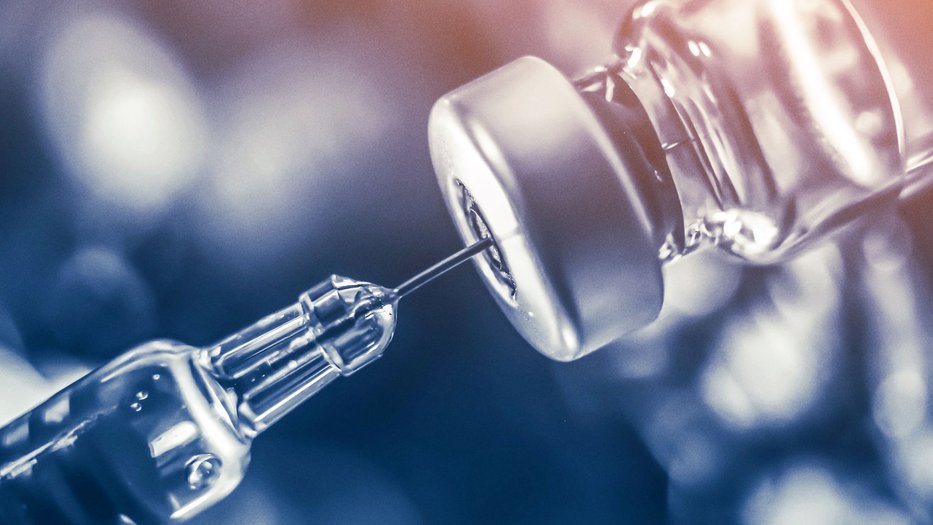
Cancer vaccine treatment
1. What Russian Researchers Announced
Russia is edging toward a major milestone in cancer therapy. The Gamaleya Research Institute, famous for developing the Sputnik vaccine, announced it will begin treating cancer patients with a personalized vaccine based on mRNA in the coming months (turn0search0). Trials will begin on patients with melanoma at Moscow’s Hertsen and Blokhin cancer centres, said Alexander Gintsburg, director of the institute, under protocols approved by the Health Ministry.
.
2. AI‑Driven, Tumor‑Specific Formulation
This is not a preventive vaccine but a therapeutic treatment, designed individually for each patient. The process uses AI and mRNA technology to create a custom vaccine—built from genetic data derived from the patient’s tumor. The objective is to teach the cytotoxic lymphocytes of the immune system to identify and eliminate cancer cells.
Gintsburg explained that the turnaround—from sequencing the cancer’s mutation profile to delivering the vaccine—could take as little as one week, thanks to AI optimization.
Cancer vaccine treatment
3. When Will Patients Be Treated?
The first cancer vaccination treatments are anticipated in the upcoming months, most likely in early autumn 2025, according to remarks provided to RIA Novosti and state-run RT. These trials will follow a new regulatory pathway established earlier this year specifically for personalized mRNA therapies, separate from traditional drug approval channels .
The vaccine will reportedly be distributed free of cost to Russian citizens, with production estimated at around 300,000 rubles (USD ~2,900) per dose .
Cancer vaccine treatment
4. Only Melanoma, With Broader Plans Later
The initial focus is on melanoma, one of the most aggressive cancers, owing to its immunogenic profile and molecular research history. However, Gintsburg and collaborators say the platform could be expanded to more challenging cancers like pancreatic, kidney, and non-small cell lung cancer
5. Global Efforts in mRNA Cancer Vaccines
While Russia’s announcement is bold, similar mRNA cancer vaccines are already in clinical trials in the US and UK. For example, experimental vaccines for glioblastoma and melanoma have shown promise in early human studies with immune activation and potential survival benefit.
That said, Russia may be one of the first to set a public rollout timeline backed by governmental support and free distribution policy.
Cancer vaccine treatment
6. Expert Opinion & Public Skepticism
The general public is very skeptical in online discussions, especially on Reddit, with comments warning that the vaccine claim has not been verified and could be propaganda, with no trial results published. Others, however, concur that personalized mRNA therapeutics is a legitimate avenue of oncology research..
7. What to Watch: Milestones and Caveats
As Russia prepares to begin patient vaccination:
Safety and efficacy data will be critical, and both pre-clinical and early-stage data must be peer-reviewed.
It’s not known whether this program will be accepted or compatible with regulatory guidelines outside of Russia.
Whether this is a treatment benchmark or will remain unverified will depend on the long-term outcomes and immune responses.
8. Research Director’s Perspective
Gintsburg emphasized that Russia’s regulatory path was unique, saying: “This is not a standard drug registration at all. He emphasized the need to work closely with the Health Ministry to ensure that protocols are personalized for each patient.
Cancer vaccine treatment
9. Analysts
Having covered biomedical innovation for five years, this is encouraging, but should be approached with caution:
Personalized cancer vaccines are being explored worldwide but are still experimental and not curative.
The Russian government-backed free distribution policy and the clear timeline may accelerate access, but there is a lack of transparent clinical validation.
If safe and effective, this could revolutionize personalized oncology. Otherwise, credibility in the field is at stake.
Final Word
Russia’s ambitious plan to treat cancer patients with individualized mRNA vaccines as early as late 2025 is a potential milestone in medicine. But until we have clear data from trials and regulatory clarity, skepticism is justified.
A possible turning point: the first human patient treatments, just months away. The world is watching to see if Russia will usher in a major leap in personalized cancer immunotherapy, or become a cautionary tale of unverified claims.