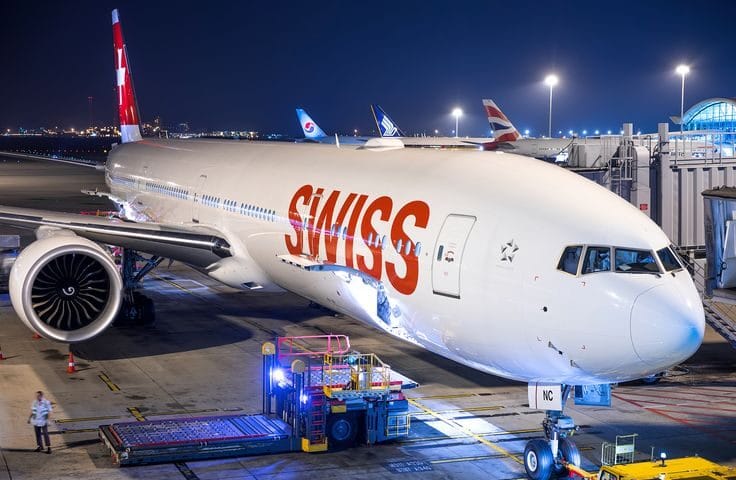
A SWISS flight bound for Zurich was forced to abort takeoff at Delhi airport after one of its engines failed and caught fire early Monday, leaving six passengers injured. All 228 passengers and four infants were evacuated from the Airbus A330, with emergency slides used on the runway and hospital treatment arranged for the injured.
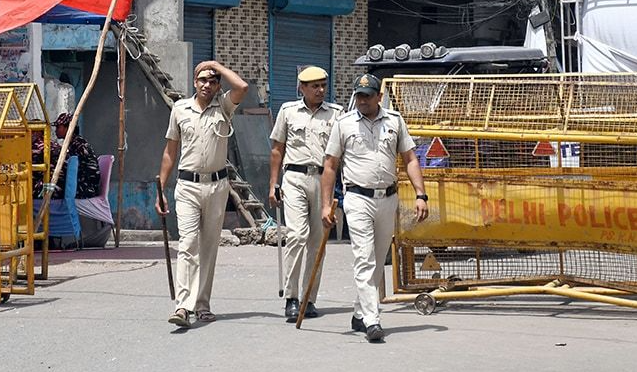
An emergency response scene at Delhi airport after SWISS flight LX147 aborted its takeoff following an engine fire, forcing a runway evacuation. [Image only for representation.]
SWISS Flight Engine Fire During Takeoff in Delhi
A serious aviation scare unfolded at Delhi airport when SWISS flight LX147, scheduled to fly from New Delhi to Zurich, experienced an engine fire during takeoff preparations around 1.08 am. The aircraft, an Airbus A330 registered HB-JHK, aborted its takeoff run and was evacuated immediately on the runway, officials said.
Six passengers were injured in the incident and taken to hospital for medical attention. The crew remained unharmed, and the airline later said it had activated a task force to understand what went wrong and to assist passengers with rebooking or accommodation.
What Happened
According to the airline and officials, the aircraft began its takeoff roll when one of its engines failed and caught fire. In aviation terms, this is one of the most high-risk moments of a flight because the aircraft is already moving fast and any sudden malfunction requires immediate action from the cockpit. NDTV has covered the full story.
The crew rejected the takeoff, a standard emergency response when a major issue appears before the aircraft becomes airborne. Passengers were then evacuated using emergency slides, and for those who could not use the slides, stairs were provided. That indicates the airline followed a controlled emergency evacuation procedure rather than allowing a rushed or chaotic exit.
Why The Incident Happened
The exact technical cause of the engine fire is still under review. SWISS said it is determined to fully understand what led to the incident, and its technical specialists will travel to Delhi to inspect the aircraft. That suggests investigators will look at engine components, fuel systems, maintenance records, and flight data before drawing conclusions.
At this stage, it is safest to say the incident appears to have been triggered by a sudden mechanical failure during the takeoff run. Since the crew reacted by rejecting takeoff, the priority clearly shifted from departure to passenger safety within seconds.
Airline Statement
SWISS said it was aware of the incident involving flight LX147 and confirmed that 228 passengers and four infants were on board. The airline also said six passengers were receiving medical attention and that local teams were working closely with authorities to support everyone affected.
The airline added that its staff were in direct contact with passengers and that contact cards were distributed so travellers could be reached reliably. It also said it was trying to arrange onward travel, hotel accommodation, and other assistance as quickly as possible. That kind of response matters because a runway emergency is not only a technical event, but also a stressful human experience.
Background And Context
Takeoff-related engine emergencies are rare, but they are taken extremely seriously because they happen during one of the most critical phases of flight. Airlines train crews to respond instantly because the difference between a safe rejection and a dangerous escalation can be only a few seconds.
In this case, the fact that all passengers were evacuated and the crew was unharmed suggests that the emergency procedures worked, even though several people still suffered injuries during the evacuation. Often, the danger in such situations is not only the engine fire itself but also slips, falls, and panic during the exit.
Timeline
Around 1.08 am: Flight LX147 begins takeoff run at Delhi airport.
Shortly after: One engine fails and catches fire.
Crew rejects the takeoff and initiates emergency evacuation.
Passengers leave the aircraft using emergency slides and stairs.
Six passengers are admitted to hospital for treatment.
SWISS sets up a task force and begins rebooking and assistance efforts.
Also Read: Illegal Steroids and Expired Supplements Racket Busted in Delhi
Why This Matters
This matters because a runway fire is a serious aviation incident, even when no fatalities occur. It tests not only aircraft reliability but also the training of the cockpit crew, cabin crew, and airport emergency services.
It also matters to passengers because this kind of event can shake confidence in air travel, especially on long-haul international routes. People booking flights out of Delhi will naturally want to know whether the issue was isolated, how quickly it was handled, and what safeguards are in place.
India Angle
For Indian travellers, this story is important because Delhi is one of the country’s busiest international aviation hubs. A major incident on a Europe-bound flight naturally raises questions about airport readiness, airline maintenance standards, and emergency coordination on Indian soil.
Yeh issue kaafi important hai because it shows how quickly a routine international departure can turn into a full-scale emergency. For Indian passengers especially, it is a reminder that aviation safety depends on both airline systems and airport-level response, and both must work smoothly together.
Analysis
My analysis is that the most important takeaway is not just the engine fire itself, but the fact that the emergency response appears to have prevented a far worse outcome. That said, the injuries to six passengers show that even a successful evacuation can still leave people hurt, which is why post-incident review is essential.
What Next
The immediate next step will be the technical inspection of the aircraft by SWISS specialists, likely alongside local aviation authorities. Investigators will probably review maintenance history, flight crew actions, black-box data if relevant, and engine performance before releasing a final report.
For passengers, the next phase is practical support: hotel stays, alternate flights, and communication from the airline. For the broader aviation industry, the incident will likely trigger another review of emergency readiness and engine-safety procedures, especially on long-haul international aircraft operating in India.
Conclusion
The SWISS flight LX147 engine fire at Delhi airport was a frightening reminder that aviation safety depends on fast decisions and disciplined emergency action. While six passengers were injured, the fact that everyone was evacuated and the crew stayed safe suggests the immediate response worked as intended.
The investigation now becomes the most important part, because only a technical review can explain why the engine failed and caught fire during takeoff. For travellers, the incident is a reminder that while air travel remains one of the safest modes of transport, rare emergencies can still happen — and when they do, preparedness is everything.
Written By A. Jack