
Suspicious explosive device discovered outside a hospital in Pune’s Hadapsar area sparked panic before bomb disposal teams safely neutralized the threat. Police say the investigation is now underway on a “war footing.”
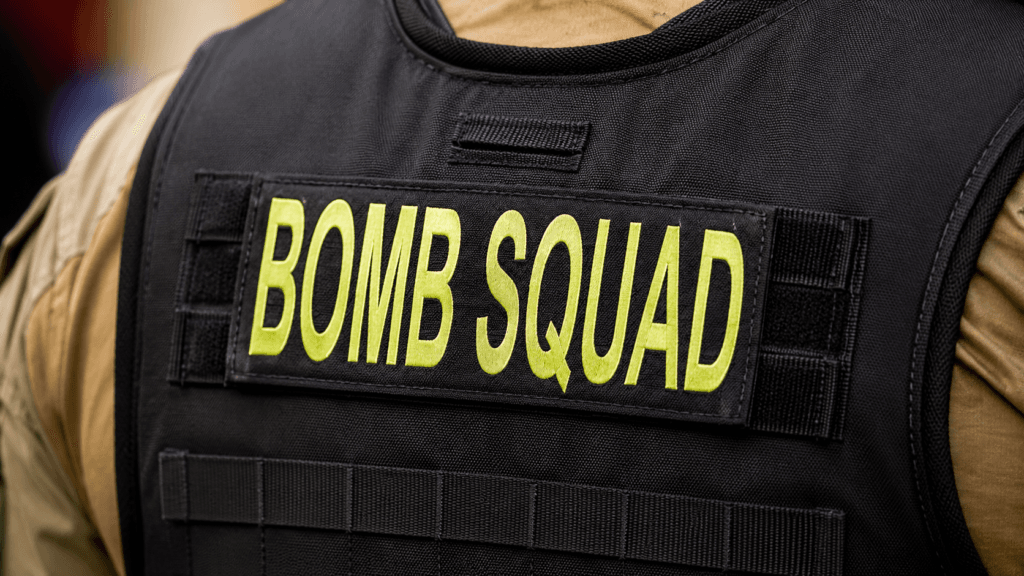
Security personnel and Bomb Detection and Disposal Squad (BDDS) teams inspect the area near a hospital in Pune’s Hadapsar after a live bomb with a seven-hour timer was discovered.
Bomb With 7-Hour Timer: A major security scare unfolded in Pune on Wednesday after a live bomb fitted with a seven-hour timer was discovered near a hospital in the Kamdhenu Estate area of Hadapsar. The suspicious object triggered panic among local residents, hospital staff, and patients before authorities quickly moved in to secure the area.
According to police officials, the device was found outside the hospital premises during routine activity in the locality. As soon as the suspicious object was spotted, local police were informed, and emergency response units were rushed to the scene.
The Bomb Detection and Disposal Squad (BDDS), dog squad, fire brigade teams, and senior police officers immediately reached the location and cordoned off the area to avoid any possible casualties. Authorities later shifted the device to a safer open field where it was successfully defused.
Police confirmed that the object was not fake or abandoned scrap material but a low-grade Improvised Explosive Device (IED) containing explosive material and an active timer mechanism.
How the Incident Happened
Initial reports suggest that the suspicious object was noticed near the hospital entrance area in Hadapsar’s Kamdhenu Estate locality. Witnesses reportedly alerted security personnel after spotting unusual wiring and a timer-like setup attached to the package. NDTV has covered the full story.
Soon after receiving the alert, police evacuated portions of the nearby area and restricted public movement. Traffic around the hospital zone was also temporarily controlled to ensure public safety.
Bomb disposal experts carefully inspected the device before transporting it away from the crowded hospital zone. Officials said the decision to shift the bomb to an isolated location was taken to minimize risk in case of accidental detonation.
Panic Near Hospital as Security Tightened
Hospitals are naturally considered sensitive public spaces because hundreds of patients, doctors, ambulances, and visitors move in and out daily. Yeh issue kaafi serious isliye bhi hai kyunki any explosive activity near a healthcare facility could have caused mass panic and heavy casualties.
Eyewitnesses described scenes of confusion as police personnel blocked access to certain roads while emergency teams scanned the surroundings for additional threats.
The dog squad reportedly searched nearby vehicles, garbage dumping spots, and public areas to ensure no second device had been planted.
Residents in Hadapsar said they were shocked that such a dangerous object could be placed so close to a crowded medical facility.
Investigation Underway on “War Footing”
Police and Crime Branch teams have now launched an extensive investigation into the origin of the bomb and the identity of the individuals responsible.
Authorities are currently examining:
- CCTV footage from nearby roads and buildings
- Entry and exit routes near the hospital
- Local suspicious activity records
- Possible links to criminal or extremist elements
- Forensic examination of the explosive material
Investigators are also trying to determine whether the timer was deliberately set for a symbolic threat or whether the device was intended to explode later in the day.
Sources indicate that forensic teams may analyze the wiring pattern, explosive composition, and timer circuitry to identify similarities with previous low-grade IED cases in Maharashtra and nearby states.
As of now, no arrests have been confirmed.
What Is a Low-Grade IED?
An Improvised Explosive Device (IED) is a homemade bomb constructed using commercially available or illegally sourced explosive materials. A low-grade IED generally causes damage within a limited radius but can still lead to severe injuries, panic, and property destruction.
Experts say such devices are often used:
- To spread fear and panic
- To test security response systems
- For targeted intimidation
- By local criminal networks or fringe extremist groups
Even if the explosive power is limited, the psychological impact on the public is massive. In crowded areas like hospitals, railway stations, or markets, even a small blast can create stampede-like situations.
Pune’s Security Concerns in the Past
Pune has previously witnessed security scares and terror-related investigations over the years due to its growing urban population and strategic importance.
Timeline of Major Security Concerns in Pune
| Year | Incident | Impact |
|---|---|---|
| 2010 | German Bakery blast | Multiple casualties and nationwide security alert |
| 2012–2018 | Various suspicious object alerts | Increased surveillance in public spaces |
| 2023 | Security drills intensified in Maharashtra cities | Focus on urban anti-terror preparedness |
| 2026 | Bomb with 7-hour timer found near hospital | Major panic but no casualties |
While Wednesday’s incident did not result in injuries, it once again highlighted vulnerabilities in urban surveillance and public safety infrastructure.
Why This Matters
1. Hospitals Are High-Sensitivity Zones
Planting an explosive device near a hospital creates fear among patients and healthcare workers. Such locations cannot afford disruption because emergency treatment and critical care services operate continuously.
2. Urban Security Remains a Challenge
Large Indian cities like Pune continue to face security management challenges due to rapid expansion, crowded public spaces, and increasing movement of people.
3. Psychological Impact Is Huge
Even though the bomb was defused safely, incidents like these create long-lasting anxiety among residents. Public confidence in local security systems gets tested during such moments.
4. Questions on Surveillance
Many experts believe stronger CCTV monitoring and smarter AI-based surveillance systems are needed around hospitals, schools, transport hubs, and crowded areas.
India Angle
This incident is not just a Pune story.
From Delhi to Mumbai to Bengaluru, urban India is seeing rapidly increasing population density. Public infrastructure often struggles to match security demands. Yeh incident ek warning bhi ho sakta hai ki authorities ko sensitive areas ki monitoring aur strong karna hoga.
India has significantly improved anti-terror preparedness after past attacks, but experts believe prevention depends heavily on:
- Public awareness
- Quick reporting of suspicious objects
- Faster intelligence sharing
- Technology-driven surveillance systems
Officials also praised the role of alert citizens in reporting the suspicious device quickly. In many cases globally, early reporting has prevented major tragedies.
Analysis
One thing becomes very clear — modern security threats are increasingly shifting toward psychological disruption.
Even if the explosive were “low grade,” the timing mechanism suggests intent and planning. The placement near a hospital indicates the possibility of creating maximum fear rather than maximum destruction.
There are also three important observations here:
1. Security Response Was Fast
The rapid deployment of BDDS teams likely prevented panic from escalating further. This shows local emergency systems responded effectively.
2. Public Vigilance Worked
The suspicious object was identified before detonation. Citizen awareness remains one of the strongest first lines of defense.
3. Investigation Will Be Crucial
The biggest question now is motive. Was this a prank, a criminal intimidation tactic, or a test run by a larger network? The answer could determine how Maharashtra Police approach urban security in the coming weeks.
What Happens Next?
Authorities are expected to continue intensive investigation over the next several days.
Possible next steps include:
- Detailed forensic analysis of bomb components
- CCTV tracking of suspects
- Intelligence coordination across Maharashtra
- Increased security near hospitals and public places
- Possible questioning of local criminal elements
Police may also release sketches or surveillance images if any suspects are identified through CCTV footage.
Security checks in Pune’s crowded zones are likely to increase temporarily as a precautionary measure.
Conclusion
The discovery of a live bomb with a seven-hour timer near a hospital in Pune’s Hadapsar area has once again highlighted the importance of rapid emergency response and urban security preparedness in India.
Fortunately, swift action by police, BDDS personnel, fire brigade teams, and local authorities ensured that the device was safely defused before causing harm. No injuries or casualties were reported, but the incident has left residents shaken and raised serious concerns about public safety.
As investigations continue, all eyes will now be on forensic findings and police efforts to identify those responsible. Yeh incident sirf Pune tak limited nahi hai—it serves as a reminder for cities across India to remain vigilant, prepared, and alert against evolving security threats.
Written By A. Jack