
Brihanmumbai Municipal Corporation orders all commercial spots in Mumbai to display big, visible Marathi Devanagari names—non-compliance means inspections, penalties. Yeh push local bhasha ko front-and-center laane ka hai.
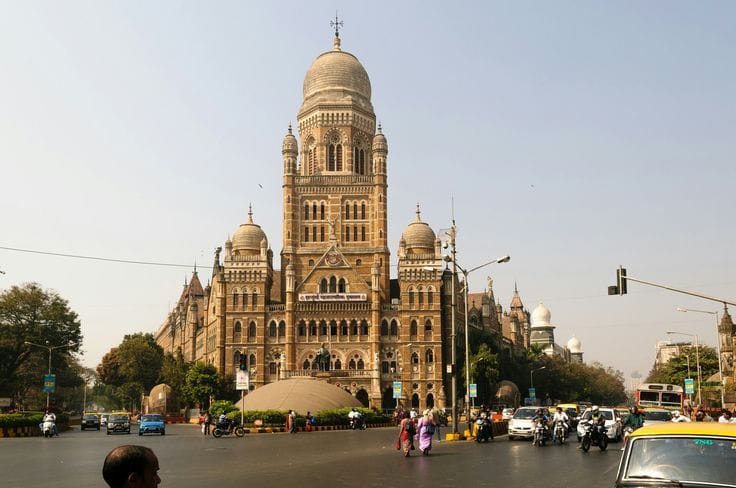
A BMC official inspects a Mumbai shop signboard, highlighting the new one-month mandate for prominent Marathi Devanagari displays amid rising language pride push
Mumbai BMC Mandate
In a bold move to boost Marathi pride, the Brihanmumbai Municipal Corporation (BMC) has slapped a strict one-month deadline on Mumbai’s shops, hotels, offices, and commercial establishments. Starting now, all must install prominent signboards in Marathi using the Devanagari script, with lettering as large as or larger than English/Hindi versions. Announced on May 14, 2026, the order covers the entire city—from bustling Bandra cafes to South Mumbai high-rises. Officials warn of inspections, fines, and legal action under the Maharashtra Shops and Establishments Act for defaulters. Yeh directive Maharashtra sarkar ke repeated nudges ka result hai, ensuring Mumbai’s commercial face speaks Marathi loud and clear.
Why and How It Works
The rule is crystal clear: Every business name must appear in Marathi Devanagari, prominently placed outside the premises. “Clearly visible and larger or equally prominent compared to other languages,” BMC officials emphasize. How? Establishments get 30 days from issuance—say, till mid-June 2026—to comply. Post-deadline, ward-level teams will inspect, starting with high-traffic areas like Linking Road or Colaba. News18 has covered the full story.
Why now? It stems from the Maharashtra government’s long-standing push for linguistic identity amid globalization’s English dominance. Logical assumption: With Mumbai’s 40% Marathi-speaking population (Census 2021 trends holding), non-compliance erodes cultural roots. Fines could range from ₹5,000 to ₹50,000 initially, escalating to sales or court cases. Simple process—get a local signboard vendor, use standard Devanagari fonts like Mangal, and voilà, compliant.
Quotes from Officials and Stakeholders
The BMC Additional Commissioner (Licensing) stated, “This is to promote Marathi as our state language. We’ve given one month—ample time. Post that, strict enforcement.”
The Maharashtra Language Minister highlighted, “Marathi hamari asmita hai. Shops se leke hotels tak, har jagah dikhna chahiye.” (Marathi is our identity.) It must be visible everywhere from shops to hotels.)
Business owner from Dadar, anonymously: “Thoda extra kharcha hoga, lekin local sentiment respect karna padega. Bilingual boards bana lenge.” (Some extra cost, but we must respect local sentiment. We’ll make bilingual boards.)
Shiv Sena (UBT) leader commented, “Finally, BMC jagi! Yeh langik pride ka kadam hai.”
Timeline and Historical Background
2017-2020: The Maharashtra government first mandates Marathi boards, with sporadic enforcement.
2022: Supreme Court upholds state language signage in PS Usman case (Belagavi riots echo).
2024: Renewed drives in Pune and Nashik—fines on 500+ shops.
Early 2026: Govt directs all civic bodies; BMC preps surveys.
May 14, 2026: One-month deadline issued citywide.
Mid-June 2026: Inspections begin.
This builds on decades of debate—post-1960, the Samyukta Maharashtra movement and language laws evolved, but urban Mumbai lagged due to migrant influx.
Also Read: Delhi Rain Chaos: 15 Flights Diverted to Jaipur and Chandigarh Amid Hailstorm Fury
Why This Matters
Yeh issue kaafi important hai kyunki language isn’t just words—it’s identity, economy, and harmony. For 1.2 crore Mumbaikars, it preserves Marathi amid the Hindi/English flood. Businesses face compliance costs (₹2,000-₹10,000 per board) but gain local goodwill. Society-wise, it curbs “Hindi imposition” fears, fostering unity. Industry impact: Hospitality (10,000+ hotels) and retail (lakhs of shops) must adapt, potentially boosting Marathi graphic designers. Broader: Signals federalism—states asserting cultural rights without divisiveness.
India Angle
Bharat ke liye yeh perfect example hai regional pride ka—Mumbai jaise cosmopolitan city mein bhi local bhasha ko priority. Tamil Nadu ke Tamil signs se leke Bengaluru ke Kannada push tak, similar stories. North Indians in Mumbai (Gujarati, UP migrants) pe thoda pressure, lekin yeh mutual respect sikhata hai. Social media pe #MarathiSignboards is trending, with Delhi folks commenting, “Hindi bhi promote karo!” Pan-India, yeh diversity celebrate karta hai—ek Bharat, anek bhashaen.
Analysis
My opinion: It’s a smart move for BMC’s image, but pair it with subsidies for small shops to avoid backlash. English boards won’t vanish; they’ll be a trilingual glow—pretty and proud!
What’s Next?
Expect the BMC app for self-reporting compliance by June 15. Pilot inspections in 10 wards next week; fines start small, scale up. Political heat if big chains (Starbucks, McD) delay—possible extensions for them. Future: Digital extension? Is Marathi on Google Maps mandatory? The government may roll out a statewide app for complaints. Businesses: Stock up on vendors now. If successful, it’s a model for other states.
Conclusion
BMC’s one-month Marathi signboard mandate is a cultural clarion call for Mumbai’s melting pot. From shops to skyscrapers, Devanagari will shine, honoring roots without shunning diversity. With clear rules, timelines, and warnings, it’s doable—businesses adapt, and pride swells. Yeh na sirf Maharashtra ki jeet hai, balki India ke federal spirit ka. Comply, celebrate, and move on—maximum city stays vibrant.
Written By A. Jack