
Fuel sales in Maharashtra soared in the first fortnight of May 2026 with petrol sales increasing 20.39% and diesel sales increasing 19.66% amid fears of panic buying related to the West Asia crisis. The state said fuel supplies were stable and all needs were being met in full despite the temporary surge in demand.
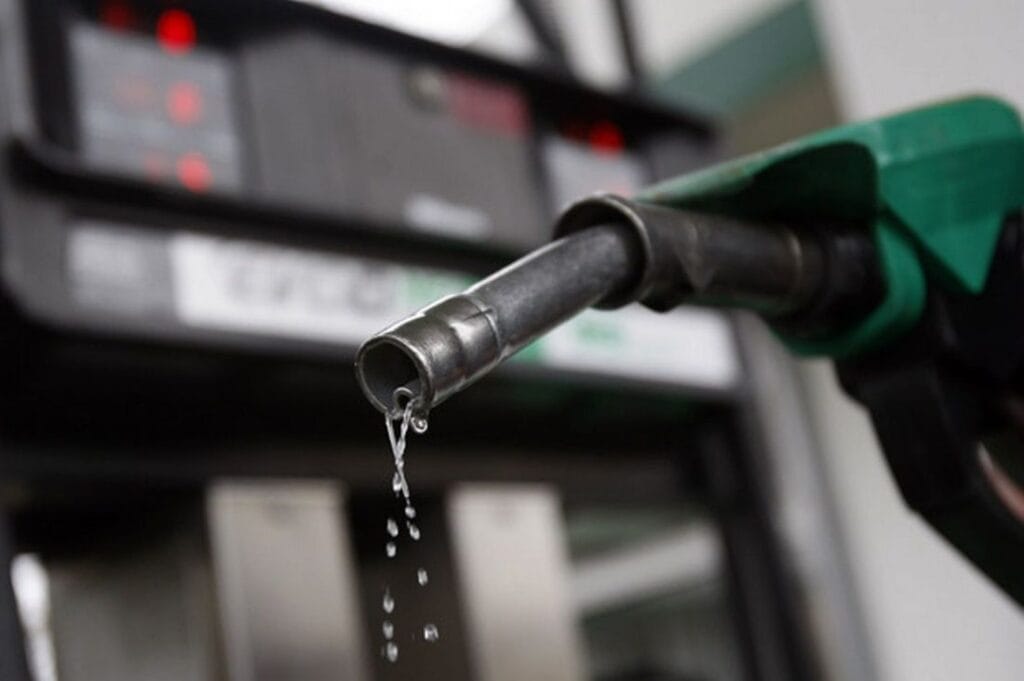
A petrol pump in Maharashtra during a period of panic buying, as residents rushed to fill tanks amid fears of fuel supply disruption.
Maharashtra recorded an unexpected spike in petrol and diesel sales in the first half of May after fears spread that the West Asia crisis could disrupt fuel supplies. According to a statement issued by the Maharashtra Food, Civil Supplies and Consumer Protection Department on Friday, diesel sales rose 19.66% and petrol sales increased 20.39% during the first fortnight of May 2026 compared with the previous period.
The state government said the rise was driven by panic buying trends, but supplies remained smooth across Maharashtra, and every demand was met. The department did not share absolute sales numbers, only the percentage increase. Still, the trend is notable because it shows how quickly global tensions can shape local consumer behavior. Yeh issue kaafi important hai because fuel is one of the most sensitive essentials in daily life, and even rumors of disruption can trigger large-scale buying.
What Happened
The immediate trigger appears to be concern over possible fuel supply disruption due to tensions in West Asia. Even though no actual supply interruption took place in Maharashtra, the fear itself was enough to push more people to refill vehicles and store fuel than usual. That resulted in a visible jump in petrol and diesel consumption across the state. Deccan Herald has covered the full story.
The numbers released by the state are significant. A 20.39% rise in petrol sales and a 19.66% increase in diesel sales over just two weeks suggest a strong behavioral response. Such spikes are often seen when consumers believe prices may rise further or when they fear stocks could run low. In this case, the state has made clear that there was no shortage, no major disruption, and no unmet demand.
That distinction matters because it shows the difference between actual supply stress and perception-driven buying. People reacted to the possibility of a problem rather than the problem itself. In simple words, logon ne shortage aane se pehle hi fuel bharwa liya, aur isi wajah se sales spike ho gayi.
Why the Surge Happened
The primary reason for the surge was panic buying. When geopolitical tension increases in a major oil-producing or oil-sensitive region like West Asia, people often assume that global crude supply or refined fuel availability may be affected. Even if the disruption is not immediate, the fear can spread quickly through local markets.
In a fuel-driven economy like India’s, such behavior is not surprising. Petrol and diesel are not luxury products; they are essential for commuting, logistics, transport, and small business operations. So when there is talk of possible disruption, consumers and transport operators often act quickly to protect themselves against future inconvenience or price hikes. That is exactly what appears to have happened in Maharashtra.
There is also a psychological element. Many people prefer to “top up” their tanks when they hear about geopolitical tension because they do not want to be caught unprepared. Once a few people start doing that, others notice, and the trend can amplify. This creates a short-term demand spike that has more to do with perception than actual scarcity.
Official Statement
The Maharashtra Food, Civil Supplies and Consumer Protection Department said fuel supplies remained uninterrupted despite the temporary spike in demand. It also said all demand was fully met, which indicates that the state’s distribution system and stock management did not face operational stress.
That reassurance is important. In fuel-related news, public confidence matters almost as much as actual stock levels. If people believe there is a shortage, they may rush to fuel stations even when supply is normal, which can create queues, delays, and unnecessary pressure. By confirming uninterrupted supply, the state is trying to calm fears and prevent further panic buying.
The department did not provide absolute sales figures, only the percentage increase. While that limits the detail available to analysts, the direction of change is still clear: demand rose sharply in a short period. That trend alone is enough to show how sensitive consumer behavior can be to international events.
Background
India has seen similar bursts of panic buying before whenever there is geopolitical uncertainty, price volatility, or rumors about supply chains. Fuel is especially vulnerable because it affects almost every part of daily life. From private cars and two-wheelers to trucks, buses, and agricultural transport, any hint of disruption can create fear.
Maharashtra is one of India’s most important fuel-consuming states because of its large population, major industrial hubs, and high vehicle density. Mumbai, Pune, Nagpur, and other urban centers contribute heavily to daily petrol and diesel demand. So even a brief wave of panic buying can create a noticeable surge in sales data.
The West Asia crisis has repeatedly influenced global oil market sentiment, even when direct supply channels remain intact. India imports a large share of its crude needs, so people often react quickly to any news that hints at risk. That makes this kind of fuel-buying spike a useful indicator of public concern, even if it does not translate into an actual shortage.
Timeline
Early May 2026: Fears about West Asia tensions begin influencing consumer sentiment.
First fortnight of May: Petrol sales rise 20.39% and diesel sales rise 19.66% in Maharashtra.
Friday: Maharashtra government confirms the spike was caused by panic buying.
Same statement: Authorities say fuel supplies remained uninterrupted and all demand was met.
Also Read: Four Women Killed in Rare Tiger Attack in Maharashtra’s Chandrapur District
Why This Matters
This matters because fuel demand spikes can affect pricing psychology, supply planning, and public confidence even when there is no actual shortage. Panic buying can create temporary pressure on fuel stations and distribution systems, and if unmanaged, it can also lead to long queues and confusion.
It also matters because fuel prices and availability are tied directly to the daily lives of millions of people. A small change in fuel sentiment can affect transport costs, logistics, food supply, and household budgets. For a state as economically important as Maharashtra, keeping the market calm is essential. Yeh matter is important because fuel panic, even if short-lived, can spread fast and disrupt normal life.
India Angle
For Indian readers, this story shows how global events can quickly influence local consumer behavior. A conflict thousands of kilometers away can lead to increased fuel purchases in cities like Mumbai and Pune within days. That is a reminder of India’s connection to international energy markets and how dependent the country is on stable import flows.
The India angle is also about communication. When governments clearly state that fuel supplies are safe and uninterrupted, they can reduce unnecessary panic. Public trust is crucial in such moments. In Hinglish, the seedhi baat yeh hai: jab afwah phailti hai, log jaldi react karte hain, isliye official reassurance bahut zaroori hota hai.
Analysis
My view is that this report is a good example of how markets are not driven only by supply and demand but also by fear and expectation. The fact that fuel supplies were uninterrupted while sales rose by around 20% tells us the market reacted to sentiment more than reality. That is exactly why official communication must be quick and credible in times of international tension. If not, people start making private decisions that collectively create public pressure. The good news here is that Maharashtra says it met all demand, so the immediate system held up. The caution is that future geopolitical shocks could create similar waves if public messaging is not handled well.
What Next
The next step will depend on how global tensions evolve and whether consumer sentiment stabilizes. If the West Asian crisis calms down, panic buying will likely ease and fuel sales may return to normal levels. If uncertainty continues, more such buying patterns could appear in Maharashtra and other states.
For the government, the priority will be to maintain steady distribution and reassure consumers that supplies remain secure. Fuel retailers may also need to be prepared for short spikes in footfall if rumors spread again. For consumers, the best course is to rely on official updates rather than acting on fear. If there is no actual shortage, panic buying only adds pressure without providing any real benefit.
Conclusion
Maharashtra’s 20% jump in petrol and diesel sales in the first fortnight of May 2026 was driven by panic buying sparked by fears of fuel disruption due to the West Asia crisis. The state government says supplies stayed uninterrupted and all demand was fully met, which helped avoid any real shortage.
The episode is a reminder that fuel markets are highly sensitive to global events and public sentiment. Even without a supply shock, fear alone can change consumer behavior quickly. For Maharashtra and for India, the lesson is clear: strong supply systems are important, but so is calm, timely communication.
Written By A. Jack