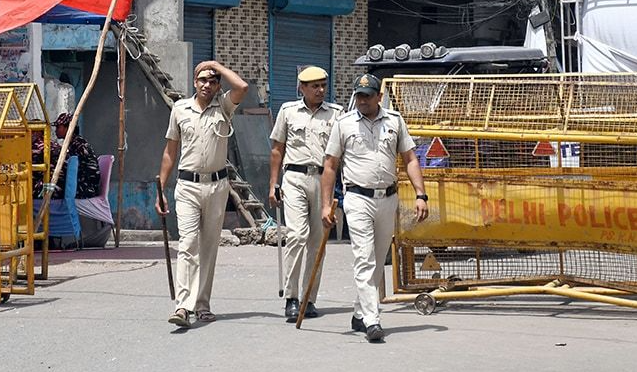
A Delhi resident has alleged that an Uber ride from the airport to Janakpuri after midnight was manipulated in-app, causing the fare to rise from Rs 420 to Rs 571. The complaint has triggered fresh concern over airport cab safety, false drop locations, and ride-hailing fraud in India’s capital.
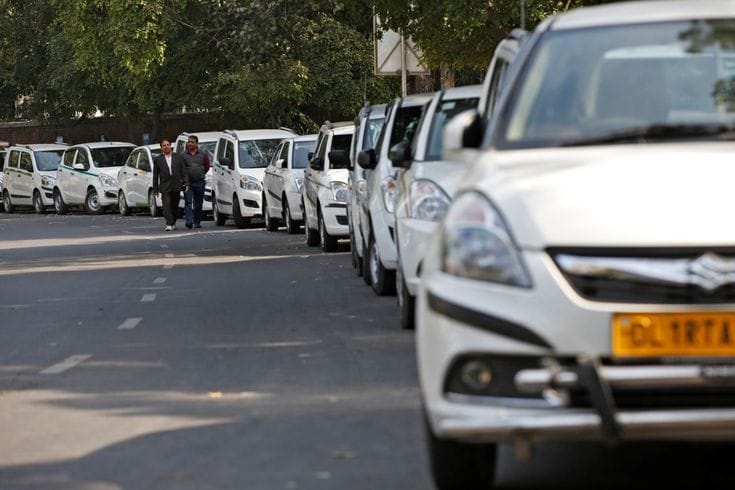
A Delhi passenger alleges the Uber trip was altered after an airport ride, with the ending location shown incorrectly and the fare increasing unexpectedly.
Delhi Airport Cab Scam Allegation
A Delhi resident has accused an Uber driver of manipulating an airport ride late at night, resulting in a fare increase and a false trip destination on the app. According to the passenger’s post, the ride was booked around 12:45 AM from the airport to Janakpuri, with an estimated fare of Rs 420, but the final amount shown on the app rose to Rs 571.
The passenger says the trip receipt later showed the ending point as Gurugram even though the car actually dropped them in Janakpuri. That discrepancy raised immediate suspicion that the destination may have been changed in the app to increase the fare. The complaint has now become part of a wider conversation about cab scams, airport pickup fraud and rider verification problems in India.
What The Passenger Alleged
The passenger wrote that the fare changed by the time they reached home, and because the app showed the higher amount on the phone as well, they assumed it was a normal recalculation. But when they checked the receipt later, the destination was listed as Gurugram, not Janakpuri. NDTV has covered the full story.
That detail is central to the allegation. If the ending point was falsely marked farther away than the actual drop location, the fare could have been pushed upward automatically by the app. In the passenger’s words, the driver may have “changed or manipulated the trip destination in-app” while still dropping the rider at the intended location.
The passenger also highlighted several other red flags. They said the driver did not match the profile photo in the app, was not using the Uber driver app, and instead relied on Google Maps after asking the rider to enter the location. The passenger further said the driver was unreachable through the in-app calling function and had shared a personal number instead.
Why The Issue Looks Suspicious
What makes this case stand out is not just the fare difference, but the combination of irregularities. A mismatch between the driver’s appearance and the profile photo is often one of the first warning signs riders notice. Add to that the false drop location, and the complaint begins to look less like a routine billing issue and more like a possible scam attempt.
The passenger’s experience also raises a practical question: if the driver was not properly using the platform’s ride interface, how was the trip recorded so differently from the actual route? In ride-hailing systems, the route, pickup, drop-off, tolls and fare calculation are supposed to be tied to app activity. Any gap in that chain can create room for abuse.
This is why the user called the experience “big red flags.” On the surface, Rs 151 may not seem like a huge amount, but the real concern is the method. Once a false destination or altered trip record enters the system, it can be used to justify higher charges in a way that is hard for the passenger to challenge immediately.
What Users Said
The Reddit discussion around the allegation reflects how common and familiar such fears have become. One user suggested it may be an app issue and advised disputing the fare through the “fare higher than shown” option. Another said similar kinds of duping have been seen in Gurgaon on both Ola and Uber, where the trip origin changes near the Delhi-Gurgaon border.
A third user claimed that airport scams are common, adding that riders should take screenshots of the fare at the start and keep checking the route, especially around IGI Airport. The commenter warned that drivers may push passengers toward routes with extra tolls, including the Dwarka Expressway, to raise the final bill.
Another user described a more serious suspicion: that the driver visible to the rider may not always be the person operating the trip in the app, and that the vehicle or route details can sometimes be altered to inflate the fare. That may be anecdotal, but it reflects a bigger public anxiety about ride-hailing transparency in Indian cities.
Background And Context
Airport rides are especially vulnerable to fare disputes because they often happen late at night, involve long distances and can include tolls, expressways and changing traffic conditions. Riders are usually tired after flights, less alert and more likely to accept a fare change without checking every detail. That makes airport pickups a prime target for fraud allegations.
In India, ride-hailing fraud complaints usually fall into a few common categories: fake route changes, false toll charges, mismatched drivers, offline phone coordination and manipulated trip endings. Most passengers trust the app to do the math, which is why even a small shift in the recorded route can have an outsized effect on the final amount.
The Delhi-Gurugram belt is often mentioned in these complaints because the city boundary, airport routes and toll systems create complicated fare scenarios. If a trip is shown ending on the wrong side of the border, the pricing logic can change sharply. That is why route integrity matters so much in this region.
Timeline
Around 12:45 AM: The passenger books an Uber from the airport to Janakpuri.
During the ride: The fare estimate shown at booking is Rs 420.
After drop-off: The fare changes to Rs 571 on the app.
Later check: The receipt reportedly shows Gurugram as the ending location.
After that: The passenger reports the issue to Uber and asks for a refund and strict action.
Also Read: Delhi Child Dies After Falling Into Open Drain, Junior Engineer Sacked
Why This Matters
This matters because ride-hailing apps are built on trust. If riders cannot trust the fare, the route or the driver identity, the entire convenience model starts to break down. That is especially serious in a city like Delhi, where people use cab apps daily for work, airport travel and late-night movement.
It also matters because these cases affect not just one passenger but the perception of the whole platform. When users hear stories of manipulated destinations or false drop locations, they become more cautious, and that can reduce confidence in app-based transport. Yeh issue kaafi important hai because it shows how one trip can become a test of platform accountability.
There is also a consumer protection angle here. Many passengers assume the app will automatically safeguard them, but this case suggests riders may need to stay more alert, especially during late-night airport rides. In other words, the burden of proof often still falls on the customer.
India Angle
For Indian users, especially in metro cities, this is a very relatable issue. A huge number of people depend on Ola and Uber for daily travel, and airport rides are one of the most expensive and least flexible categories. Even a small fare manipulation can feel frustrating when it happens late at night after a long journey.
Delhi commuters will especially connect with this because airport routes are already associated with tolls, route variations and surge pricing. In simple Hinglish, kabhi-kabhi app par jo fare dikhta hai, ride ke baad woh alag hi kahani ban jata hai. That uncertainty is exactly what makes these complaints go viral so quickly.
Analysis
My analysis is that the most important issue is not the amount but the process failure. If a driver can allegedly alter the trip destination or operate outside the normal app flow, then the platform’s controls need tighter monitoring. The presence of multiple user comments describing similar experiences suggests this is not being viewed as a one-off glitch but as a pattern that riders fear may be widespread.
At the same time, it is important to avoid treating one social media post as final proof of wrongdoing. The passenger’s claims should be seen as an allegation unless independently verified. Still, the consistency of the complaint with known scam patterns makes it a serious consumer issue worth attention.
What Next
The next step is likely to depend on Uber’s response to the complaint. If the passenger has already filed a dispute through the app, the company may review the trip data, fare calculations and GPS records to determine whether the route or drop point was altered.
If the complaint is upheld, a refund or fare correction could follow, along with possible action against the driver. If not, the passenger may need to push the case through customer support or consumer complaint channels.
More broadly, this incident may prompt other riders to be more cautious about airport fares. Taking screenshots at booking time, checking live route updates and confirming the driver identity before entering the car are small steps that can help reduce the risk of such disputes.
Conclusion
This Delhi airport cab allegation highlights a growing problem in ride-hailing: passengers trust the app, but the app may not always tell the whole story. A fare that jumped from Rs 420 to Rs 571, combined with a false drop location and a mismatched driver profile, has created serious suspicion around the trip.
Whether this turns out to be a technical glitch, a platform issue or deliberate manipulation, the case underlines a simple truth: transparency is the backbone of app-based travel. Without it, even a short ride from the airport can turn into a major trust problem.
Written By A. Jack