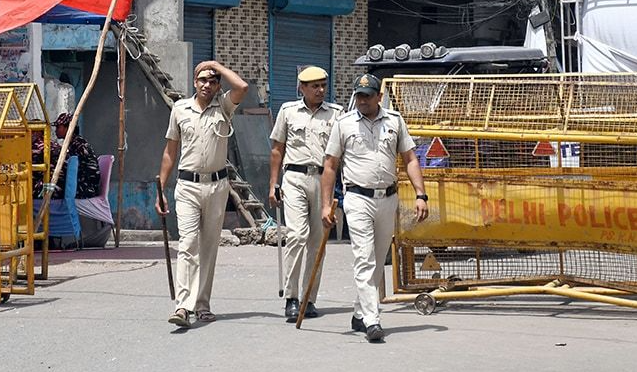
Union leaders say the protest is about consumer choice, vehicle compatibility and the financial pressure on transport operators. The planned march could turn the E20 debate into a bigger national conversation on fuel policy, emissions and the cost of transition.
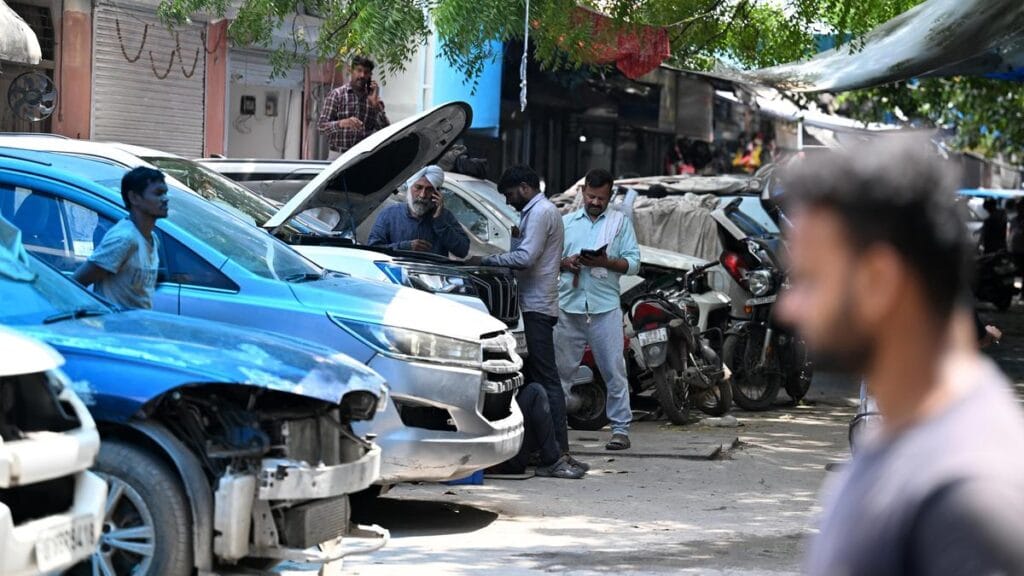
Delhi transport unions have announced a protest march to Parliament on August 4 against the mandatory push for E20 fuel. Image Credit: TheHindu
Delhi-based transport bodies have announced a protest march to Parliament on August 4, demanding withdrawal of ethanol-blended petrol as the only fuel choice for consumers. The call has been issued by the Delhi Taxi and Tourist Transporters and Tour Operators Association, along with other transport groups.
The protest comes at a time when the government is pushing cleaner fuel alternatives, but transport operators say the rollout of E20 has created serious concerns for vehicle owners, especially those depending on older fleets. The upcoming demonstration is likely to put fuel policy, consumer rights and the economics of transport in the spotlight.
Why the protest is happening
According to Harish Sabharwal, national president of the All India Motor Transport Congress, the protest is being organised because the government is effectively making E20 fuel the only choice for consumers. That is the core complaint: the transport bodies are not necessarily rejecting ethanol-blended fuel altogether, but they are opposing what they see as a lack of choice. This story was also covered by The Hindu.
Transport operators argue that many vehicles may not be fully compatible with higher ethanol blends and that consumers should be allowed to choose the fuel best suited to their engines and usage patterns. For taxi operators, tourist vehicles and commercial transporters, this issue is not abstract. It affects mileage, maintenance and long-term repair costs.
In simple Hinglish, unka point yeh hai ki “option hona chahiye, compulsion nahi.” That sentiment is likely to resonate with many vehicle owners who worry about engine performance, fuel efficiency and hidden costs.
What is E20 fuel
E20 fuel is petrol blended with 20 per cent ethanol. It is part of India’s broader push toward cleaner and more locally sourced fuel alternatives. Ethanol blending is typically promoted as a way to reduce dependence on imported crude oil and lower emissions over time.
From a policy perspective, the government sees ethanol blending as a strategic and environmental move. But for transport unions, the challenge is different. They are concerned about how this shift affects real vehicles on the road, especially older ones and commercially used fleets that may not have been designed for higher ethanol blends.
That difference in perspective is what makes the E20 debate so sharp. One side sees a transition toward cleaner energy; the other sees a forced shift with immediate cost burdens.
Background and context
India has been steadily increasing ethanol blending in petrol as part of its energy transition policy. The idea is to reduce fossil fuel dependence and support domestic agricultural supply chains linked to ethanol production. That policy has been widely presented as a step toward cleaner mobility and energy security.
However, whenever a fuel transition moves from planning to everyday use, practical questions arise. Can every vehicle handle it? Will mileage drop? Will maintenance costs rise? Will consumers have a genuine choice? Those are the concerns that transporters are now bringing to Parliament through protest.
This is not the first time fuel policy has triggered public pushback. In India, major policy shifts often face resistance when they start affecting daily expenses. Fuel costs are one of the most sensitive areas of consumer stress because they influence not only private car owners but also taxi fares, tourist services and the price of goods movement.
Timeline
Earlier: The government continues its push for ethanol-blended petrol.
Recent period: Transport operators begin voicing concerns about E20 compatibility and consumer choice.
Now: Delhi transport unions announce a protest march to Parliament on August 4.
Next: The march is expected to intensify the public debate around E20 fuel policy.
What the unions are saying
Harish Sabharwal has said the protest is aimed at opposing the government’s move to make E20 fuel the only choice for consumers. That statement captures the central message of the upcoming march: transporters want flexibility, not compulsion.
The Delhi Taxi and Tourist Transporters and Tour Operators Association, along with allied bodies, has helped give the call for the protest. That makes the mobilisation important because it is not coming from a single small group but from transport stakeholders who represent daily mobility in the capital.
Their argument is likely to be strengthened by passenger-facing concerns. Taxi operators and tourist transporters spend long hours on the road and are very sensitive to fuel economy. If they believe mileage is falling or maintenance is getting more expensive, the economic impact can be immediate.
Also Read: Delhi High Court Gives Sonia Gandhi and Rahul Gandhi Three Weeks to Reply in National Herald ED Case
Why this matters
This matters because fuel policy affects millions of people, not just transport unions. If E20 becomes the default or only option, every car owner, cab operator and fleet manager may feel the change in some way. That makes this a consumer issue, a business issue and a public policy issue at the same time.
It also matters because transport operators are often the first to feel cost pressures from policy shifts. When fuel efficiency changes even slightly, commercial users notice it faster than private consumers. In a city like Delhi, where transport is already under pressure from congestion and fuel prices, any extra burden becomes a serious issue.
There is also a democratic angle. If a section of consumers feels it has not been given enough choice or transition time, protest becomes a way to force debate. That is why the march to Parliament could attract more attention than a routine industry complaint.
India angle
The India angle here is very strong because fuel choice is one of the most practical daily concerns for Indian households and businesses. Most people may not follow energy policy debates closely, but they definitely notice when mileage drops or operating costs rise.
In Hinglish, simple baat yeh hai: jab fuel ka effect pocket par padta hai, tab policy discussion zyada real lagti hai. That is why this issue could resonate far beyond Delhi transport unions. It touches car owners, cab drivers, tour operators and even logistics businesses across the country.
It also connects to India’s larger energy transition narrative. The government wants a cleaner, more self-reliant fuel future, but that transition has to work for ordinary users. If public buy-in is weak, even a well-intentioned policy can face resistance.
Analysis
My opinion is that the unions are likely to gain attention because their argument is simple and easy to understand: if a fuel change affects vehicle performance or cost, users should be given a choice. That is a powerful public message, especially when it comes from taxi and tourist operators who represent everyday mobility.
At the same time, the government will likely defend E20 as part of a larger clean-energy strategy. So the debate is not likely to be about whether India should shift to cleaner fuel, but about how fast the shift should happen and whether consumers are being given enough flexibility during the transition. That balance will be the real story.
What Next
The immediate next step is the protest march on August 4, which could draw media attention and possibly pressure policymakers to respond. If the mobilisation is large, it may trigger fresh discussions around vehicle compatibility, fuel availability and consumer choice.
Depending on how the government reacts, the issue could move into a broader policy consultation or remain a point of contention between transport bodies and authorities. If officials offer clarifications on vehicle compatibility or transition plans, the pressure may ease. If not, more protests could follow.
For transport operators, the next few weeks will likely be about coordination, messaging and gathering support. For consumers, it may be a moment to watch closely because any policy shift around E20 can have direct implications for running costs.
Conclusion
Delhi’s transport unions are preparing to take their E20 fuel concerns to Parliament, turning a policy debate into a public protest. Their main demand is clear: they do not want ethanol-blended petrol to become the only option for consumers without enough flexibility or reassurance on compatibility.
This is an important story because it sits at the intersection of energy policy, consumer choice and transport economics. As India moves toward cleaner fuels, the bigger question is not just whether the policy is ambitious, but whether it is workable for the people who have to use it every day.
Written By A. Jack