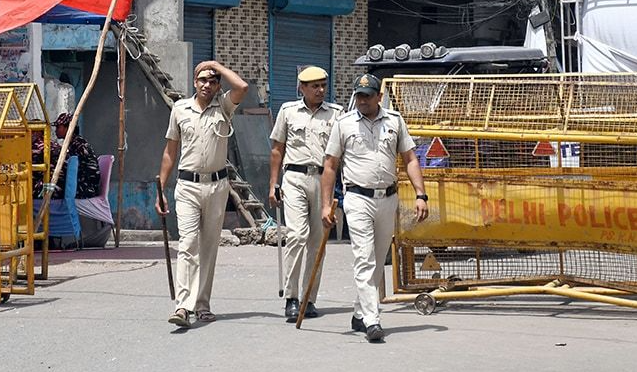
The new framework propels Delhi’s electric transition with registration deadlines for key vehicle segments, a three-year subsidy lock-in and big incentives for EV buyers. It’s one of the city’s most aggressive clean mobility pushes to date.
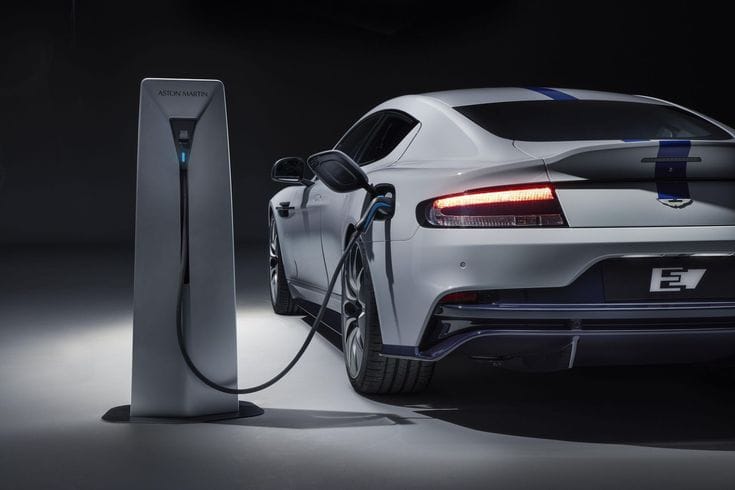
Delhi’s new EV Policy 2026 puts battery electric vehicles at the center of the capital’s clean transport roadmap. This image is only for representation.
The Delhi Cabinet on Monday approved the Delhi EV Policy 2026, setting the city firmly on an electric-only path and dropping a draft proposal that would have extended incentives to strong hybrid vehicles. The policy will come into force on July 1 and remain valid until March 31, 2030, giving the capital a four-year roadmap to speed up electric mobility through financial incentives, charging expansion and phased registration rules. In plain terms, Delhi has chosen pure EVs over hybrid support, and that is a major policy statement.
This move matters because Delhi’s air quality crisis remains one of the most visible public health challenges in India. Transport emissions are a big part of the problem, and the government is now betting that battery electric vehicles, not hybrids, will deliver the stronger long-term pollution gains. Yeh decision kaafi important hai because it shows Delhi wants a sharper, cleaner transition rather than a mixed approach.
What the Policy Changes
The biggest headline from the new policy is simple: strong hybrid cars will not get government incentives. The draft policy had suggested a 50 per cent exemption on road tax and registration fees for strong hybrid cars priced up to Rs 30 lakh, but that provision has now been removed. The final policy supports only battery electric vehicles, which produce zero tailpipe emissions. NDTV has covered the full story.
That is a significant shift in tone and strategy. Hybrid vehicles are often seen as a bridge technology, but Delhi’s government appears to have decided that the capital cannot afford to slow down its transition with partial measures. Instead, it is directing public money toward fully electric vehicles, charging infrastructure and scrappage-linked adoption.
The policy also lays out clear registration deadlines for key vehicle categories. From January 1, 2027, only electric passenger and goods three-wheelers will be registered in Delhi. From April 1, 2028, only electric two-wheelers will be eligible for registration. These deadlines are important because two-wheelers and three-wheelers make up a huge share of daily urban traffic, deliveries and short-distance commuting.
Incentives for Buyers
Delhi EV Policy 2026 includes a wide set of purchase incentives for different categories of vehicles. Electric two-wheelers can get subsidies of up to Rs 30,000 in the first year, Rs 20,000 in the second year and Rs 10,000 in the third year. Electric three-wheelers can receive up to Rs 50,000 in the first year, Rs 40,000 in the second year and Rs 30,000 in the third year. N1-category electric goods carriers of up to 3.5 tonnes can get up to Rs 1 lakh.
The policy also includes separate scrapping incentives. Buyers can receive Rs 10,000 for electric two-wheelers, Rs 25,000 for electric three-wheelers, Rs 1 lakh for electric four-wheelers, Rs 50,000 for N1 trucks and Rs 15,000 for Gramin Sewa vehicles. In addition, people who scrap a Delhi-registered BS-IV or older vehicle and buy a new electric car within six months of receiving the Certificate of Deposit can get a Rs 1 lakh scrapping incentive. That benefit will be limited to the first one lakh eligible applicants.
There is also a strong anti-arbitrage measure built into the policy. Anyone availing a government subsidy will face a three-year lock-in period, meaning the vehicle cannot be registered in another state during that time. This is meant to stop buyers from taking subsidies in Delhi and then quickly moving the vehicle elsewhere.
Charging Infrastructure Push
One of the most ambitious parts of the policy is the infrastructure plan. Chief Minister Rekha Gupta said the government will invest around Rs 15,000 crore over the next four years to strengthen charging infrastructure and support electric mobility. Delhi plans to install more than 30,000 EV charging points across the city, which would be a major boost for daily users, commercial operators and long-distance drivers.
The policy also says a dedicated online portal will handle incentive processing through Direct Benefit Transfer, which should make subsidy delivery more transparent and faster. Funds will also go into vehicle scrapping facilities and supporting infrastructure, which is important because EV adoption is not only about buying electric vehicles. It also depends on whether drivers can charge them easily, reliably and affordably.
This is where policy design becomes practical. A subsidy without charging stations can create demand but not confidence. By linking incentives with infrastructure, Delhi is trying to solve both sides of the transition at once.
Why Experts Are Watching Closely
Amit Bhatt, Managing Director (India) at the International Council on Clean Transportation, welcomed the policy’s focus on commercial vehicles. He said faster adoption of electric two-wheelers and three-wheelers could significantly improve Delhi’s air quality. He also noted that these segments account for a large share of the city’s fleet and that transitioning them to zero-emission vehicles can reduce emissions, improve public health and support a broader shift across transport.
That view matters because it reflects a wider policy logic. In a city like Delhi, two-wheelers, three-wheelers, delivery fleets and goods carriers are not just transportation choices; they are part of the daily pollution load. If the city can electrify those segments faster, the air quality impact could be larger than waiting for a slow, broad-based shift in private cars alone.
Background and Context
Delhi has been pushing electric mobility for several years, but EV Policy 2026 appears more decisive than earlier stages. The earlier draft had left room for hybrid support, suggesting the government was considering a mixed route. The final version removes that ambiguity and chooses a sharper line in favor of battery electric vehicles only.
This is part of a broader Indian transport debate. Some policymakers argue hybrids are useful because they reduce fuel use without demanding full charging dependency. Others argue hybrids can delay the transition to truly clean mobility by allowing governments and consumers to settle for a middle path. Delhi has now clearly chosen the second argument.
The timing also matters. Delhi’s pollution battles are especially visible during winter, but the underlying problem is year-round. Vehicle emissions are a major source of that burden, so a policy aimed at long-term transport change is politically and environmentally significant. The capital is essentially saying that incrementalism is no longer enough.
Timeline
Draft stage: The policy includes a proposal for hybrid incentives.
Monday: The Delhi Cabinet approves the final EV Policy 2026.
July 1, 2026: Policy comes into force.
January 1, 2027: Only electric three-wheeled passenger and goods vehicles will be registered.
April 1, 2028: Only electric two-wheelers will be registered.
2026 to 2030: The policy remains active and the city pushes charging expansion, subsidies and scrapping-linked adoption.
Also Read: Lucknow Man Travels to Delhi and Kills Wife in Sleep Over Affair Suspicion
Why This Matters
This matters because Delhi is one of India’s most influential policy laboratories. When the capital changes transport rules, other states, manufacturers and fleet operators pay attention. Yeh issue kaafi important hai because Delhi’s decisions often shape market behaviour far beyond the city itself.
It also matters because the policy could directly affect buyers. A person planning a two-wheeler or three-wheeler purchase in Delhi now has a clearer message: the future is electric, and the financial incentives are built to push you in that direction. For delivery riders, fleet owners and urban commuters, that can change total ownership calculations.
For public health, the stakes are even higher. Fewer tailpipe emissions mean cleaner air in the long run, and that is not a small policy goal for a city with chronic pollution problems. If implemented well, the EV push could reduce local emissions and help make the city more liveable.
India Angle
For Indian readers, Delhi’s move will be watched closely because it may influence EV policy debates in other metros. In Hinglish, seedhi baat yeh hai: Delhi ne clear signal de diya ki hybrid ke bajay full EV ko hi future maana ja raha hai. That is a strong message for automakers, fleet operators and city planners across the country.
The policy also matters to ordinary Indian consumers because Delhi often sets the tone for incentives and infrastructure rollout. If charging expands and subsidies work smoothly, buyers in other cities may start asking for similar support. That can accelerate EV adoption nationally.
There is also a practical Indian angle around affordability. EVs still have upfront cost concerns, so subsidies and scrappage incentives can make a real difference. For many households and small businesses, those numbers may decide whether they make the switch now or wait.
Analysis
My opinion is that Delhi has chosen clarity over compromise. By dropping strong hybrid incentives, the government is making a clean policy bet: if the goal is cleaner air, the city should support only zero-tailpipe vehicles. That is a defensible position, especially in a city with chronic pollution issues.
At the same time, the success of the policy will depend less on announcements and more on implementation. Subsidies need to be easy to claim, charging points need to be operational, and fleet adoption needs to scale without bureaucratic friction. If any of those pieces lag, the policy could look stronger on paper than in practice.
Another key point is the 30,000 charging point target. That is a big number, and it sends a strong signal, but the quality, distribution and reliability of those chargers will matter just as much as the headline figure. Users need chargers where they actually travel, not just on presentation slides.
What Next
The next step is implementation from July 1, 2026. Buyers, dealers, fleet operators and infrastructure providers will now start planning around the new rules and subsidy structure.
The government will also need to publish detailed operational guidelines on the incentive portal, scrappage verification and charging rollout. If those systems work smoothly, the policy could gain momentum quickly. If not, adoption may slow despite strong intentions.
Over the coming years, the key markers to watch will be EV sales growth, charger deployment, air quality trends and whether commercial segments like two-wheelers and three-wheelers shift faster than expected. Those numbers will tell the real story.
Conclusion
Delhi’s EV Policy 2026 marks a clear and forceful turn toward battery electric vehicles, with hybrids left out of the incentive framework. The city is backing its clean mobility strategy with subsidies, scrappage bonuses, tax waivers, registration deadlines and a major charging network investment. It is a big, decisive policy move that could shape how Delhi travels and breathes over the next four years. Whether it succeeds will depend on execution, but the message is already unmistakable: Delhi wants an EV-first future.
Written By A. Jack