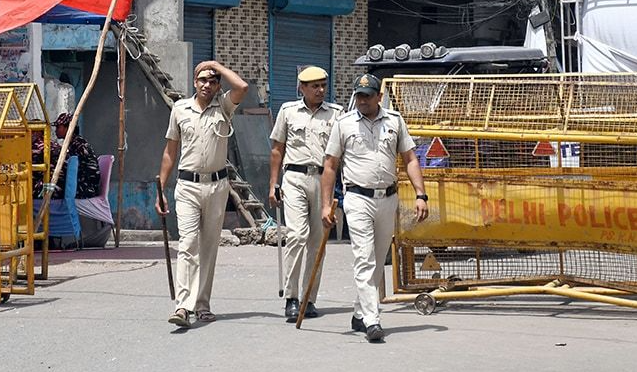
A fire broke out at the Ministry of Education office on the second floor of the School of Planning and Architecture campus in Delhi’s ITO area on Monday morning. No casualties have been reported so far and eight fire tenders have been sent to the spot as firefighting operations are underway.
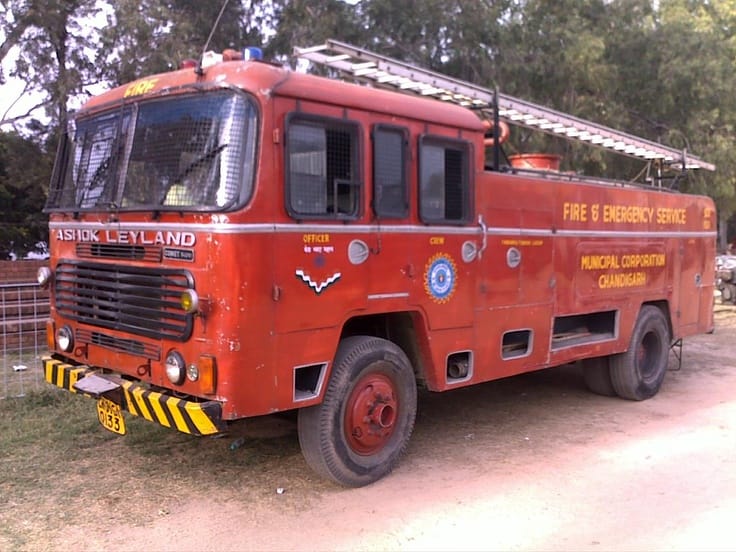
Firefighters respond to a blaze at the Ministry of Education office in the SPA campus at Delhi’s ITO area on Monday morning.
Delhi Fire at Ministry of Education Office
A fire at a government office in central Delhi has triggered a swift emergency response, with the blaze reported on the second floor of the Ministry of Education office in the School of Planning and Architecture (SPA) campus near ITO. The Delhi Fire Service received the call at around 9.37 am on Monday and immediately rushed eight firefighting vehicles to the scene.
According to officials, no casualties have been reported so far. Firefighting operations were still underway at the time of reporting, and the cause of the fire had not yet been determined. The incident has again brought attention to fire safety in government buildings, especially in high-footfall administrative zones like ITO. Yeh matter kaafi important hai because even a small fire in an office complex can quickly become a major risk if not contained early.
What Happened
The blaze was reported on the second floor of the Ministry of Education office located within the SPA campus. Fire service teams reached the site quickly after receiving the emergency call and began active firefighting operations.
At this stage, the fire appears to have been confined to a specific floor, which may have helped avoid injuries or broader damage. However, any fire in a government office is automatically treated as sensitive because such buildings often contain records, computers, electrical systems, and staff movement throughout the day. Even if the flames are controlled, smoke damage, structural risk, and loss of documents can still create serious problems. NDTV has covered the full story.
Officials have not yet confirmed the exact reason behind the fire. Common causes in office buildings include electrical short circuits, overheating equipment, faulty wiring, or accidental ignition, but none of these can be assumed until a proper inspection is completed. That said, the speed of the response suggests that emergency protocols were activated promptly.
Response by Fire Services
The Delhi Fire Service acted quickly after the 9.37 am call and deployed eight firefighting vehicles. That kind of immediate response is important in a dense urban area like ITO, where traffic, office activity, and proximity to other institutions can make fire control more difficult.
Firefighting teams are likely focusing on containment first, then cooling and inspection. In most office fires, the initial aim is to prevent the blaze from spreading to adjacent rooms, floors, or buildings. Once that is done, teams usually check for hidden pockets of heat and smoke before declaring the area safe.
A swift response can make the difference between minor damage and a large-scale emergency. In this case, the fact that there were no reported casualties is a positive sign, but the full extent of damage is still not clear. Officials will likely need to inspect the building thoroughly before normal activity can resume.
Why the Cause Matters
At this stage, the cause of the fire has not been ascertained. That detail matters because it determines both the immediate findings and any future accountability. If the fire was caused by an electrical fault, then infrastructure checks may be needed. If it was caused by negligence, then responsibility could extend to facility management or contractors.
Government offices often depend on a mix of old and new systems, and that can create hidden risks. Air-conditioning units, overloaded sockets, computer networks, and backup power setups can all become fire hazards if maintenance is weak. In a place like the Ministry of Education office, where daily work may involve sensitive records and ongoing administrative functions, fire safety should be taken seriously at every level.
The investigation will likely focus on the exact point of origin, the spread pattern, and whether fire prevention systems such as alarms, extinguishers, and sprinklers worked as expected. Until that process is complete, the official explanation will remain limited to the fact that a fire occurred and response teams are on the scene.
Background and Context
Delhi has seen several fire-related incidents over the years, especially in commercial, residential, and office spaces where electrical load is high. Central Delhi, in particular, is a busy administrative zone with offices, institutional buildings, and heavy daily movement. That makes fire preparedness especially important.
The School of Planning and Architecture campus, located in the ITO area, is a prominent academic and institutional space. A fire at a government office inside such a campus draws attention not only because of the location but also because of the possible impact on official records and administrative work. Even a contained blaze can disrupt operations, delay correspondence, and trigger inspections.
This incident also comes at a time when fire safety in public buildings is under constant scrutiny across India. From schools and hospitals to markets and offices, authorities often face criticism after a fire reveals gaps in compliance. The latest Delhi incident is a reminder that prevention is always cheaper and safer than emergency response.
Timeline
Around 9.37 am: The Delhi Fire Service receives the emergency call.
Soon after: Eight fire tenders are rushed to the Ministry of Education office.
Late morning: Firefighting operations continue on the second floor of the SPA campus office.
Current status: No casualties reported; cause of the fire still under investigation.
Also Read: Commercial LPG Prices Hiked in Delhi and Kolkata as Global Energy Stress Hits India
Why This Matters
This matters because the fire broke out in a government office that handles important administrative functions. Any disruption in such a building can affect public work, internal records, and staff safety. In a city like Delhi, where government offices and institutions are closely interconnected, even a single fire can cause broader operational delays.
It also matters because fires in office spaces often expose safety gaps that remain unnoticed until an emergency happens. Yeh issue kaafi important hai because fire safety is not just about equipment on paper—it is about maintenance, response readiness, and regular checks. If those systems fail, people and property are both at risk.
India Angle
The India angle here is very relevant because fire safety remains a recurring issue in Indian cities. Offices, schools, hospitals, and commercial buildings often operate under heavy load, while inspections may not always keep pace. In a fast-growing urban environment, a quick response can save lives, but prevention is what truly protects people.
In Hinglish, seedhi baat yeh hai: fire sirf ek incident nahi hota, yeh warning hoti hai. It reminds every Indian city to pay attention to wiring, emergency exits, alarm systems, and regular audits. Government buildings, especially in capital cities, are expected to set the standard for safety. When a blaze breaks out there, the public naturally asks whether proper checks were done in time.
Analysis
My opinion is that the most reassuring part of the report is the quick response and lack of casualties so far. But the deeper issue is whether such incidents are being prevented through regular maintenance. Fires in government buildings should be rare, not routine headlines. If the cause turns out to be electrical or structural negligence, then the response cannot stop at putting out the fire. It must include accountability, repair, and a proper safety review of similar offices. Delhi, like every major Indian city, needs to treat fire safety as a continuous responsibility rather than an emergency-only concern.
What Next
The next step will be a detailed inspection of the affected floor and the rest of the building. Officials will likely assess damage, check electrical systems, and determine whether the office can resume normal operations safely. If the blaze caused structural or electronic damage, repairs and temporary relocation of staff may be required.
The fire department and relevant authorities will also examine the cause of the incident. If any negligence is found, further action could follow. There may also be a review of fire safety compliance in other offices across the SPA campus or similar government facilities in central Delhi. In many such cases, one incident leads to a wider inspection drive, and that would be the right outcome here.
Conclusion
The fire at the Ministry of Education office in Delhi’s ITO area has been brought under response quickly, and thankfully no casualties have been reported so far. But the incident is still serious because it happened in a key government building where safety, records, and daily operations are all important.
As firefighting continues and the cause is investigated, this blaze serves as another reminder that fire preparedness cannot be treated casually. In a city as crowded and active as Delhi, timely response is essential—but strong prevention systems are even more important. The real lesson here is simple: regular safety checks, clean electrical systems, and ready emergency plans can make all the difference.
Written By A. Jack