Restaurants, hotels, caterers and small businesses across India are under pressure as commercial LPG prices have been hiked again from June 1. In Delhi, a commercial cylinder of 19 kg now costs Rs 3,113.50 while in Kolkata it saw a steeper rise to Rs 3,255.50.
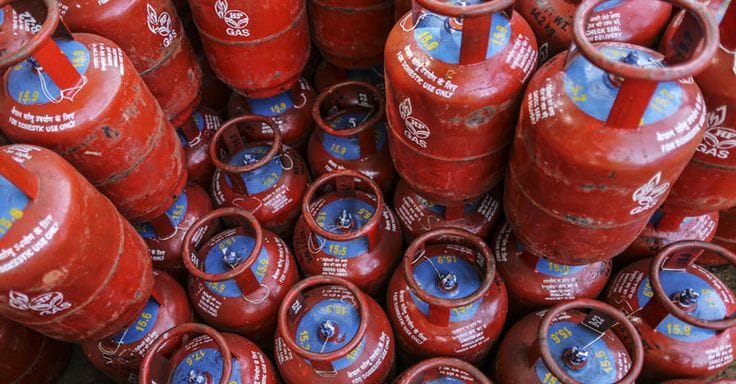
Commercial LPG cylinder prices rise again from June 1, adding fresh cost pressure on India’s food and hospitality businesses.
India’s food and hospitality sector has received another cost shock as commercial LPG prices were increased from June 1, with Delhi seeing a Rs 42 hike and Kolkata a steeper Rs 53.50 jump. The latest revision has pushed the Delhi price of a 19-kg commercial cylinder to Rs 3,113.50, while Kolkata’s rate has climbed to Rs 3,255.50.
This increase comes at a time when businesses are already facing higher fuel, logistics, and operating costs. Domestic LPG prices have stayed unchanged, but the burden on commercial users is growing fast. For many small eateries, caterers, and hotels, this is not just a pricing update—yeh issue kaafi important hai because it hits daily margins and may eventually reach consumers too.
What Changed From June 1
The latest revision has hit different cities at different levels. In Delhi, the increase is Rs 42 per 19-kg cylinder. In Kolkata, the increase is Rs 53.50, which makes it one of the steeper hikes among major metros.
The 5-kg Free Trade LPG cylinder has also become costlier by Rs 11. In Delhi, it now costs Rs 821.50. At the same time, domestic LPG cylinder prices remain unchanged, which means household kitchens are currently protected from this round of revision. But commercial kitchens are not. NDTV has covered the full story.
That distinction matters a lot. Restaurants, dhabas, cloud kitchens, bakeries, and catering businesses typically consume multiple commercial cylinders every month. Even a modest hike becomes significant when multiplied across dozens of refills. In a high-volume food business, a few extra rupees per cylinder can quickly turn into thousands of rupees in monthly additional cost.
Why Prices Are Rising
The main reason behind the increase is pressure in global energy markets. The ongoing conflict in the Middle East, especially tensions linked to Iran and the Gulf region, has disrupted energy supply chains and made LPG cargoes harder to source.
India depends heavily on Gulf countries for energy imports, including crude oil, natural gas, and LPG. While the country has been able to manage alternate supplies in some areas, LPG availability has remained under stress. Commercial users have been hit harder because they are more exposed to market-linked pricing.
When global supply becomes uncertain, import costs rise. Oil marketing companies then pass on at least part of that increase to end users. That is why commercial LPG has been rising in repeated steps over the past several months. This is not just a local pricing issue; it reflects a larger international energy squeeze affecting India’s fuel basket.
A Steep Climb Since January
The current hike is only the latest step in a much bigger upward trend. In Delhi, a 19-kg commercial cylinder cost Rs 1,691.50 in January. Now it has risen to Rs 3,113.50. That is a near doubling in just five months, which is a serious jump for any business reliant on cooking fuel.
The rise has been consistent. Prices went up by Rs 49 in February, followed by another Rs 115 in March. Then came the biggest shock in April, when the rate jumped by a massive Rs 993 per cylinder. May kept rates elevated, and now June has brought another increase.
That pattern tells a clear story: businesses have not just faced a one-time hit but a sustained rise in input costs. For small operators, that kind of inflation is difficult to absorb. For larger chains, it may be easier to spread costs, but even they are likely to feel the pressure on profit margins.
Other Cities Are Paying More Too
Delhi is not alone in facing higher prices. Across major cities, commercial LPG rates are now sitting at elevated levels. In Mumbai, the price of a 19-kg cylinder stands at Rs 3,024.50. In Chennai, it is Rs 3,232. Hyderabad is among the costliest markets at Rs 3,294, while Patna has touched Rs 3,322.
This widespread rise suggests that the problem is national rather than city-specific. The variation in rates across cities is usually linked to freight and logistics costs, but the broader upward trend is clearly tied to global market conditions. For businesses operating in multiple states, that means cost planning is becoming much harder.
When one city’s rate rises sharply and another city’s rate also stays high, restaurant chains and catering companies are left with limited room to maneuver. Either they absorb the hit or they pass it on. Neither option is ideal in a competitive market.
A Fresh Blow After CNG Hike
The LPG revision has arrived just days after another fuel-related increase. CNG prices in Delhi and adjoining areas were raised by Rs 2 per kg, taking the rate to Rs 83.09 per kg. This is the fourth increase in less than two weeks, and since May 15 the cumulative rise has been Rs 6 per kg.
Petrol and diesel have also moved higher in recent weeks as oil marketing companies passed on the effect of elevated global crude prices. Petrol rates have increased by Rs 7.35 per litre, while diesel has gone up by Rs 7.53 per litre across multiple rounds.
That creates a double burden for businesses that rely on both transport and cooking fuel. Food delivery kitchens, caterers, and logistics-linked eateries are hit from both sides—one cost for moving goods and another cost for cooking them. In practical terms, this means higher bills at nearly every stage of operations.
Government Response and Reserves
The fuel price rise has also prompted the government to think more seriously about supply security. The petroleum ministry has asked state-run retailers—Indian Oil, Bharat Petroleum, and Hindustan Petroleum—to prepare plans that ensure LPG stocks for at least 30 days of demand.
That is a significant move because it signals concern about future disruptions. The government is also looking at expanding crude oil storage capacity. The idea is simple: if international supply chains get disrupted again, India should have more cushioning than it does now.
From a policy standpoint, this is a sensible step. Bigger reserves do not reduce global price pressure immediately, but they can make the domestic market more resilient. In a volatile geopolitical environment, energy security has become as important as fuel affordability.
Also Read: Petrol Price Hike Hits Delhi at ₹102 and Mumbai at ₹111 as Fuel Rates Rise Again Across Major Cities
Why This Matters
This matters because commercial LPG is not a niche input. It is one of the core operating costs for India’s food economy. Restaurants, dhabas, bakery units, hotels, tiffin services, and cloud kitchens all rely on it daily. When commercial cylinder rates rise, the effect spreads fast.
For small businesses, every extra rupee matters. A bakery or small restaurant may not have the pricing power to absorb repeated hikes. Over time, some may reduce portion sizes, increase menu prices, or cut margins. That eventually affects consumers too. Yeh issue kaafi important hai because it can quietly feed into broader inflation and reduce spending power at the household level.
It also matters because fuel shocks rarely stay isolated. When transport fuel, cooking fuel, and crude-linked costs rise together, the pressure moves from businesses into the wider economy. The impact may not be dramatic in one day, but over weeks and months it adds up.
India Angle
For Indian readers, this story is especially relevant because food prices, transport costs, and daily living expenses are closely tied to fuel markets. Many families eat outside, order in, or depend on small local businesses that use commercial LPG. So even if domestic cylinders remain stable, commercial hikes can still shape what people pay for food and services.
In Hinglish, seedhi baat yeh hai: jab hotel aur restaurant ka gas bill badhta hai, toh uska effect plate tak aata hai. That is why this is not just an industry story; it is a consumer story too. India’s dependence on imported energy also makes it vulnerable to global shocks, whether they come from West Asia or elsewhere.
Analysis
My view is that the bigger worry is not just this month’s increase but the pattern of repeated revisions. Businesses can usually adapt to one hike, but a near-doubling in five months changes the economics of daily operations. Small eateries and caterers will feel it first, and eventually consumers may see the effect in higher meal prices or fewer discounts. The government’s reserve push is useful, but in the short term, businesses need predictability more than anything else. If global energy tensions continue, more volatility is likely. That means pricing strategy, supply planning, and fuel efficiency will become even more important for India’s food and hospitality sector.
What Next
The next few weeks will show whether this hike settles into a new stable level or whether more adjustments are coming. If global energy markets remain tense, commercial LPG prices could stay elevated or rise again. Businesses may start revising menus, renegotiating supplier contracts, and looking for ways to reduce fuel wastage.
At the policy level, the government’s reserve-building plan will be watched closely. If LPG stocks become more secure, future shocks may be less severe. But in the short term, restaurants, hotels, and caterers should prepare for a higher-cost environment. Consumers, too, may need to brace for indirect price rises if businesses pass on some of the burden.
Conclusion
Commercial LPG prices have risen again, this time hitting Delhi and Kolkata hard while adding to the pressure already facing businesses across India. The increase may look modest on paper, but for high-volume kitchens and small enterprises, it is another painful cost shock in a year already marked by repeated fuel hikes.
The larger story is about energy insecurity, global conflict, and the way international market turbulence reaches Indian households through business costs. As long as supply chains remain unsettled, commercial users are likely to remain under pressure. For now, the message is clear: the fuel bill is still climbing, and the impact may soon be felt beyond the kitchen.
Written By A. Jack