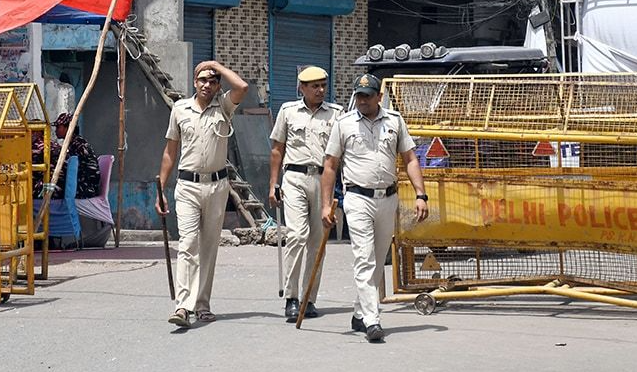
The Centre has assured the Delhi High Court that it will not forcefully take possession of the Delhi Gymkhana Club on June 5 and will follow due legal process. The statement follows the government’s eviction notice to the 113-year-old club to vacate its 27-acre prime Lutyens’ Delhi property.
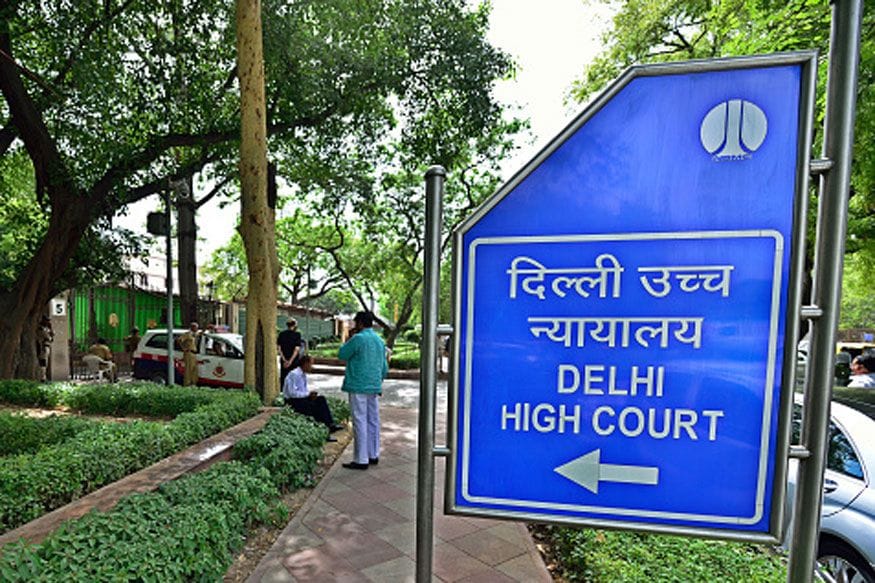
The Delhi Gymkhana Club faces an eviction dispute after the center asked it to hand over its 27-acre premises while assuring the court that no forced action will be taken on June 5.
The Delhi Gymkhana Club eviction case has taken a significant turn after the center assured the Delhi High Court that it will not move in forcibly to take possession of the club’s land. The government’s statement, made on Tuesday, has offered temporary relief to the prestigious institution, even as the legal dispute over its 27.3-acre property in Lutyens’ Delhi continues.
The center had recently issued an eviction notice asking the club to hand over the premises by June 5, invoking a lease clause that said the land was needed for public purposes. But in court, Solicitor General Tushar Mehta said no immediate action would be taken and that the process would follow proper legal procedure. The case is now less about sudden eviction and more about the legal route the government must take. Yeh issue kaafi important hai because it involves not just land but also heritage, public interest, and the rights of a long-established private club.
What the Centre Told the Court
The key statement from the center was clear: there would be no forcible takeover on June 5. Mehta told the court that police would not move in to seize the property and that due process would be followed. He also said that if any eviction happens, it would be done with prior notice.
That clarification matters because the Delhi Gymkhana Club had approached the High Court after receiving the eviction directive. The club argued that the government had issued a final directive rather than a show-cause notice, which meant it had little time or opportunity to respond before being ordered to vacate. The court, however, noted the Solicitor General’s statement and said no further interim directions were required at that stage. NDTV has covered the full story.
In simple terms, the government appears to be stepping back from any immediate physical action, while still holding on to its claim over the property. The court’s order suggests that the matter will now continue through the legal process rather than through direct enforcement.
Why the Club Is Fighting the Notice
The Delhi Gymkhana Club is not just any private club. It is a historic institution in the heart of Lutyens’ Delhi, used by a select membership base that includes diplomats, bureaucrats, military officers, and members of the capital’s elite circles. The club says it serves around 14,000 members and users and employs around 500 people.
After the notice, the club wrote to the center expressing concern that sudden action would affect multiple stakeholders, including employees, patrons, and event participants. It also asked whether an appropriately located alternate plot would be provided if relocation became necessary. That request is important because the issue is not simply whether the land can be reclaimed but where the club and its activities would go if it were displaced.
The club’s stance is understandable from an operational perspective. A sudden shutdown or handover could affect jobs, memberships, event calendars, sports facilities, and long-standing social use. For many members, the club is not just a luxury space; it is also part of a wider social and professional ecosystem. In urban Delhi, such institutions often carry historical and symbolic value beyond their basic property use.
Why the Government Wants the Land
The Land and Development Office under the Union Housing and Urban Affairs Ministry has asked the club to hand over the premises by June 5, saying the land is required for “urgent institutional needs, governance infrastructure, and public interest projects,” including strengthening defense-related infrastructure.
That phrase is central to the government’s case. The Centre is not presenting the issue simply as a land dispute; it is framing it as a public-purpose need. In legal and administrative terms, “public purpose” often gives the government a stronger footing when reclaiming or reallocating land originally leased for a specific use.
At the same time, the club has questioned the abruptness of the move and the lack of a clearer relocation roadmap. This is where the debate becomes both legal and political. On one side is the government’s claim that the land is needed for national and public interest. On the other side is the club’s argument that due process, consultation, and fairness should guide any such decision.
Background and Context
The Delhi Gymkhana Club has been in operation for more than a century, making it one of the most prominent old institutions in central Delhi. The location itself matters. Lutyens’ Delhi is not just real estate; it is among the most sensitive and prestigious zones in the national capital, often associated with governance, diplomacy, and power.
Over time, land in this area has become far more valuable not just monetarily but institutionally. Any change in ownership, occupation, or use instantly becomes a major public issue. That is why this story has drawn attention beyond club members. It touches on how the government handles institutional land in prime zones, how old leases are interpreted, and how public-purpose claims are balanced against long-standing private use.
The current dispute reflects a wider Indian urban reality. Many legacy institutions occupy land that was leased or allotted decades ago, often under conditions that are now being re-examined. As cities grow and land becomes scarce, the tension between historical use and present-day government needs becomes sharper. Delhi is particularly vulnerable to such conflicts because so much of its core land is tied to administrative and institutional planning.
Timeline
Earlier: The Centre invokes a lease clause and issues an eviction notice to Delhi Gymkhana Club.
Notice period: The club is told to hand over the 27.3-acre premises by June 5.
After the notice: The club moves the Delhi High Court and seeks relief.
Tuesday hearing: The Solicitor General tells the court there will be no forcible takeover on June 5.
Court order: The High Court notes that eviction, if any, will follow law and prior notice.
Next phase: The dispute continues in court and through legal procedure.
Why This Matters
This matters because it is about more than one club and one piece of land. The case raises questions about how the government uses lease clauses, how heritage and institutional continuity are protected, and how public-purpose claims are implemented in practice. When a historic club in the center of the capital faces eviction, the outcome can set a precedent for similar disputes elsewhere.
It also matters for the people directly linked to the club. Employees, service staff, event organizers, sports users, and members all stand to be affected if the property changes hands. Yeh issue kaafi important hai because land disputes in Delhi can quickly affect livelihoods, access, and the social life built around institutions like this one.
India Angle
The India angle here is strong because the case reflects a broader pattern seen in major Indian cities. Government land, institutional land, and heritage land are constantly under pressure from changing urban needs. In Hindi terms, seedhi baat yeh hai: jab shehar badhta hai, toh zameen par competition bhi badhta hai.
For Indian readers, especially in Delhi, this case is a reminder of how power, property, and public interest often collide. It also shows the legal complexity involved when the state seeks to reclaim land from long-established institutions. The issue is not merely administrative; it touches identity, privilege, and urban planning all at once.
Analysis
My opinion is that the Centre’s statement was a smart tactical move. By assuring the court that no forced eviction would happen on June 5, it reduces immediate confrontation and keeps the legal process intact. That does not end the dispute, but it helps prevent the optics of a sudden, forceful move against a prestigious club. For the club, the challenge is now to argue for process and possible relocation without appearing to block a public-purpose claim entirely. The real question is whether the government can prove necessity while also addressing the club’s concerns in a way that looks fair, transparent, and legally solid.
What Next
The next step will depend on how the Centre formally proceeds after its statement to the court. If the government wants the land back, it will have to continue with notice-based legal action and ensure that any eviction follows proper procedure. The club, meanwhile, may continue pressing for relief, relocation clarity, or a more detailed explanation of why this land is needed for public purposes.
There may also be further hearings where the court examines whether the lease conditions were violated or whether the government’s claim is sufficiently justified. If alternate accommodation becomes part of the discussion, that could ease the practical impact on the club. But if no compromise is reached, the case may develop into a longer legal contest over land, rights, and public interest in one of Delhi’s most sensitive zones.
Conclusion
The Delhi Gymkhana Club case is now moving along a legal rather than forceful track, after the Centre told the High Court it will not vacate the property by force on June 5. The government still wants the 27.3-acre Lutyens’ Delhi site for public and institutional use, but it has agreed that any action must follow due procedure.
For the club, the immediate threat has eased, but the larger legal battle is far from over. For Delhi, the case is another reminder that land, legacy, and public interest often collide in the capital. The next court steps will determine whether this historic club stays put, relocates, or eventually hands over its prized premises.
Written By A. Jack